Why Yoga Classes Use a Cool Down: A Clear Guide
Discover why yoga classes use cool-down periods, compare different closing structures, and find recovery options suited to your body.
https://primetempr.com/blog/why-yoga-classes-use-a-cool-down-a-clear-guide
A yoga cool down acts as a purposeful bridge between active physical movement and complete rest, helping participants transition out of demanding postures. When you encounter cooling down or closing sequences in a class, you might wonder what purpose they serve, whether they are strictly necessary, and how different teachers approach them.
Yoga combines postures, breathing and meditation; styles vary, benefits should be described with uncertainty, and injuries can occur. Because traditions differ widely, understanding how and why a class winds down can help you choose a format that matches your body and your schedule.
What a Yoga Cool Down Involves
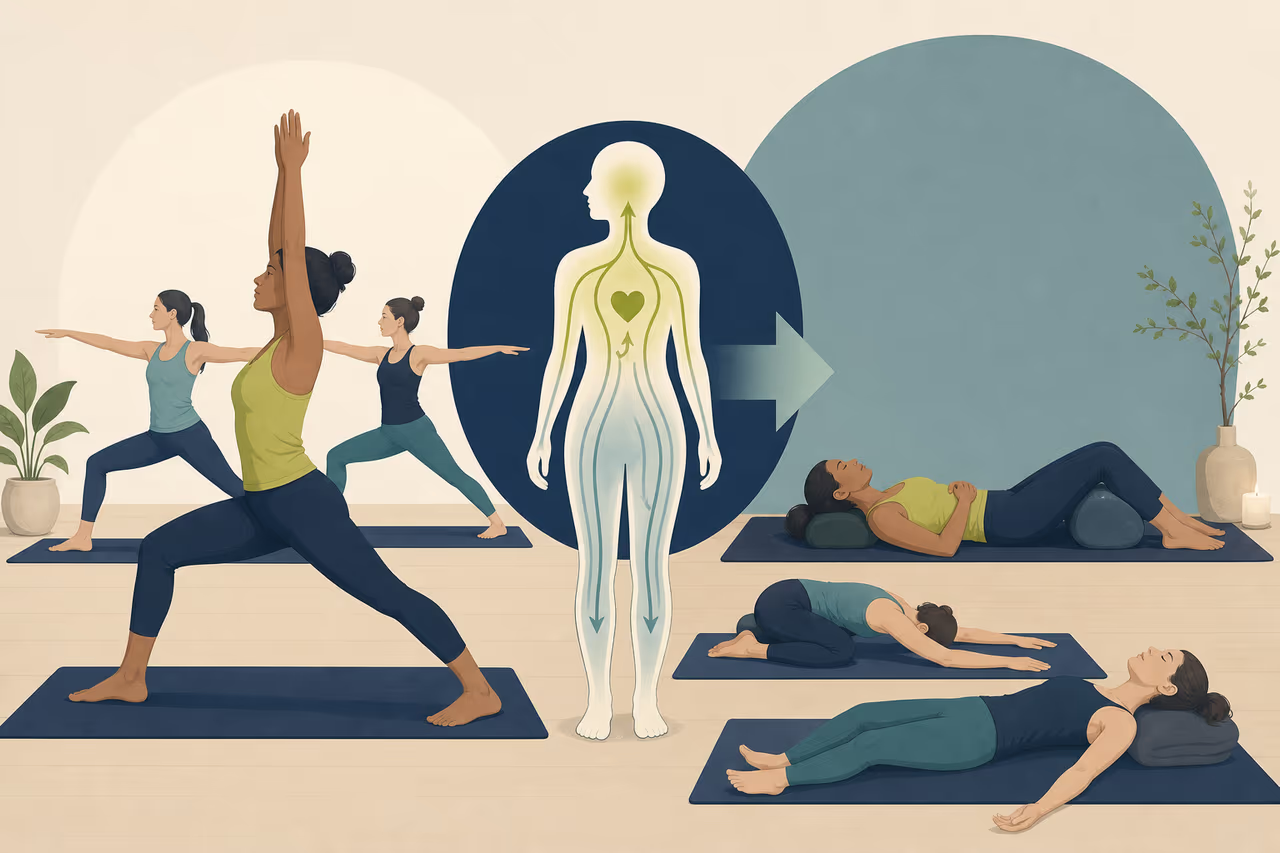
A typical cool-down sequence guides the body away from peak physical exertion and back toward a resting state. This phase often includes slower, floor-based postures, supported reclining shapes, seated breathing exercises, and quiet rest.
The primary goal is to lower your heart rate gradually, release muscular tension built up during standing or balancing sequences, and calm the nervous system. While some practitioners appreciate a long, motionless rest, others prefer gentle stretches that ease the body out of intense movement. Because yoga combines postures, breathing and meditation; styles vary, benefits should be described with uncertainty, and injuries can occur, the exact composition of a cool down depends heavily on the lineage, the teacher's background, and the specific style of yoga being practised.
Why Styles and Approaches Vary
If you have tried multiple yoga classes, you have likely noticed that the end of class looks very different depending on the instructor and the studio. An energetic vinyasa flow class might conclude with rapid, heat-building sequences right up until the final minutes, followed by a swift transition into resting pose. Conversely, a restorative or yin yoga class might feature a cool down that spans the entire second half of the session, focusing entirely on passive holds and prolonged stillness.
This variety stems from the diverse nature of yoga itself. Yoga combines postures, breathing and meditation; styles vary, benefits should be described with uncertainty, and injuries can occur. Teachers tailor the closing sequence to match the intensity of the class that preceded it. A vigorous practice requires a more deliberate winding-down period to help the body settle, whereas a gentle class may need very little transition time.
Practical Trade-Offs and Realistic Expectations
When evaluating yoga cool downs, it helps to weigh the practical trade-offs of different class structures.
| Cool-Down Approach | Potential Benefits | Common Trade-Offs |
|---|---|---|
| Short & Efficient | Maximises active movement time; fits busy schedules. | Can feel rushed if you prefer gradual transitions. |
| Long & Restorative | Allows deep relaxation and nervous system settling. | Reduces the time available for active postures. |
| Structured Breathwork | Focuses attention on breath control and mental calm. | May require patience if you prefer physical motion. |
Any amount of physical activity is better than none, all activity counts, and people should limit sedentary time. However, Be sure to maintain realistic expectations regarding recovery. While cooling down can help you feel grounded and physically settled, it is not a magical remedy or a guarantee against physical strain. Yoga combines postures, breathing and meditation; styles vary, benefits should be described with uncertainty, and injuries can occur. Listening to your body remains essential, regardless of whether a class features a five-minute rest or a twenty-minute meditation.
If standard class cool downs feel too brief or too long, talk with a qualified teacher or explore different programme structures to find a pace that suits your body.
Cool-Down Reflection Checklist
To help you determine what kind of ending works best for your practice, consider reviewing this quick checklist.
- Notice how your breathing pace shifts during the final minutes of a class.
- Identify whether you prefer gentle seated shapes or complete stillness at the end of practice.
- Check if your current class format leaves you feeling rushed or settled.
- Bring any questions about class pacing to a qualified yoga trainer.
Choosing Your Next Step with Guided Instruction
Relying solely on written definitions or static glossaries can only take you so far when you are trying to understand physical pacing and class structure. Prime Tempr's trainer marketplace lets readers turn unfamiliar yoga language into better questions, then choose guided instruction instead of relying on a static glossary alone. Whether you want to Practise with a qualified trainer, Browse yoga programmes, or dive deeper into specific structural elements through guides like Why Yoga Classes Include Savasana: A Clear Guide and How Yoga Class Sequences Are Structured: A Practical Guide, having personalised support helps you tailor your practice to your exact needs.
Sources
Watch alongside this guide
An introductory yoga flow
Watch how spoken cues, breath, and transitions work together, then compare them with the article's guidance. Source: Yoga With Adriene. This optional video is context, not evidence or personal instruction.
The YouTube player stays unloaded until you choose to watch. Loading it connects to YouTube and may allow that service to process usage data.