How Yoga Class Sequences Are Structured: A Practical Guide
Understand how yoga class sequences combine postures, breathing, and meditation so you can navigate unfamiliar class structures with confidence.
https://primetempr.com/blog/how-yoga-class-sequences-are-structured-a-practical-guide
Yoga class sequences combine physical postures, breathing techniques, and meditation into a structured session, though styles vary significantly from one teacher to the next. Understanding how these elements are organized removes the mystery from the studio room, helping you ask better questions about your practice and choose an approach that matches your needs.
Classes often feel intimidating because students do not know why postures, breathing, and meditation are arranged in a specific order. When you understand the underlying components, you can let go of the pressure to match the room's pace and instead focus on what your body requires.
The Core Components of a Yoga Sequence
Yoga combines postures, breathing and meditation; styles vary, benefits should be described with uncertainty, and injuries can occur. Rather than following a single rigid formula, most classes break down into distinct phases that transition from preparation to peak effort and finally to rest.
| Phase | Typical Focus | What to Expect |
|---|---|---|
| Centering | Breath and awareness | Arriving on the mat, settling the mind, and establishing an initial breathing pattern. |
| Warm-Up | Mobility and joint preparation | Gentle movements to lubricate joints and prepare large muscle groups for deeper shapes. |
| Main Practice | Postures and sustained movement | Standing balances, seated stretches, or flowing sequences depending on the style. |
| Cool-Down | Counter-stretches and integration | Slower postures designed to release tension accumulated during the main practice. |
| Rest | Recovery and integration | Final resting periods designed to let the nervous system settle. |
Not every class includes all of these elements in equal measure. Some sessions focus heavily on seated breathwork, while others prioritize standing mobility.
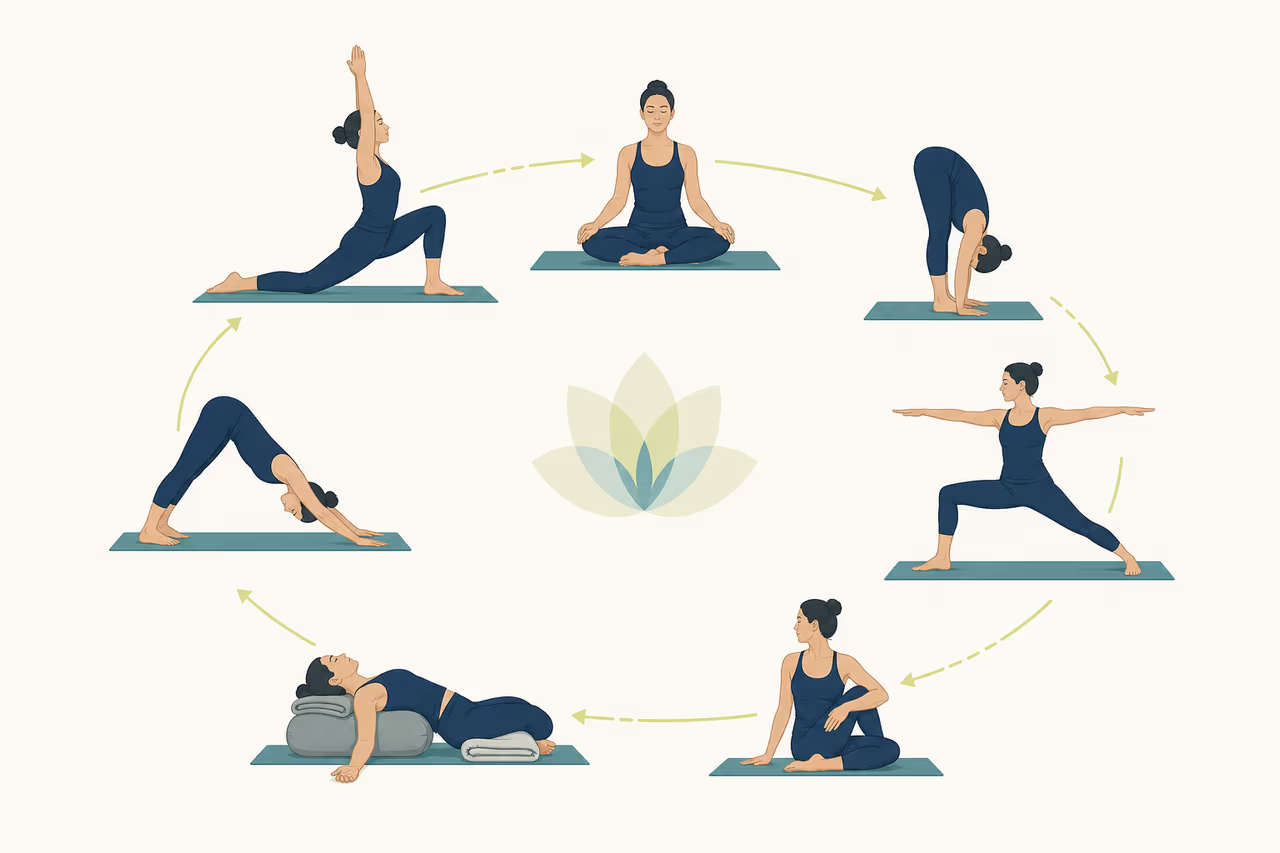
Why Styles and Sequences Vary
Because yoga combines postures, breathing and meditation; styles vary, benefits should be described with uncertainty, and injuries can occur, different traditions organize these components to achieve different goals. A vigorous vinyasa class links breath directly with fast-paced physical transitions, whereas a restorative class holds fewer shapes for longer durations with passive support.
This variety means a sequence that feels deeply beneficial for one person may feel too fast or too slow for another. Treating sequence intensity as the sole measure of a good practice is a common failure mode. Pushing through a complex sequence just to keep up with the room can lead to strain, especially when your body needs modification or rest. Any amount of physical activity is better than none, all activity counts, and people should limit sedentary time, meaning your practice should serve your actual physical capacity rather than an arbitrary standard of difficulty.
If a class sequence feels too fast or complex, pause, scale back the physical intensity, or ask a qualified instructor for alternative modifications.
Sequence Navigation Checklist
To help you stay grounded during a session, use this practical framework before and during your next class:
- Identify the primary focus of the class (e.g., mobility, breathing, or resting).
- Notice how transition movements connect major postures.
- Check in with your own physical limits rather than matching the room's pace.
- Ask your teacher why a specific sequence or transition was chosen.
Choosing Your Next Step
Static guides and glossaries can only take you so far when you are trying to understand a live, dynamic practice. Static guides cannot replace the real-time personalization of a live instructor, and styles vary widely, meaning a sequence that works well for one person may not suit another.
To bridge the gap between reading about yoga and experiencing it safely, Prime Tempr's trainer marketplace lets readers turn unfamiliar yoga language into better questions, then choose guided instruction instead of relying on a static glossary alone. You can explore different approaches by reviewing local instructors or checking out structured options through Practise with a qualified trainer and Browse yoga programmes. For a deeper dive into the terminology you might encounter on the mat, explore Yoga Language & Class Cues.
Sources
Watch alongside this guide
An introductory yoga flow
Watch how spoken cues, breath, and transitions work together, then compare them with the article's guidance. Source: Yoga With Adriene. This optional video is context, not evidence or personal instruction.
The YouTube player stays unloaded until you choose to watch. Loading it connects to YouTube and may allow that service to process usage data.