Why Yoga Classes Include Savasana: A Clear Guide
Discover why yoga classes end with savasana, weigh the trade-offs of closing rest, and learn how to adapt this practice.
https://primetempr.com/blog/why-yoga-classes-include-savasana-a-clear-guide
Savasana, often called corpse pose, is a structured transition at the end of a class allowing the body and mind to settle after postures, breathing, and meditation. New or returning students often wonder why a session ends with lying motionless, and whether it is optional or essential. While styles and individual responses vary, understanding closing rest helps you decide how to approach it.
What Is Savasana and Where It Fits in Class
Savasana typically marks the final chapter of a yoga session. Because yoga combines postures, breathing, and meditation, classes generally move from active exertion or focused breathwork into physical integration and stillness.
Any amount of physical activity is better than none, all activity counts, and people should limit sedentary time. However, structured movement practices often allocate specific moments for recovery rather than rushing straight from exertion into high-stress tasks. Savasana functions as this intentional boundary.
Why Yoga Teachers Include Closing Rest
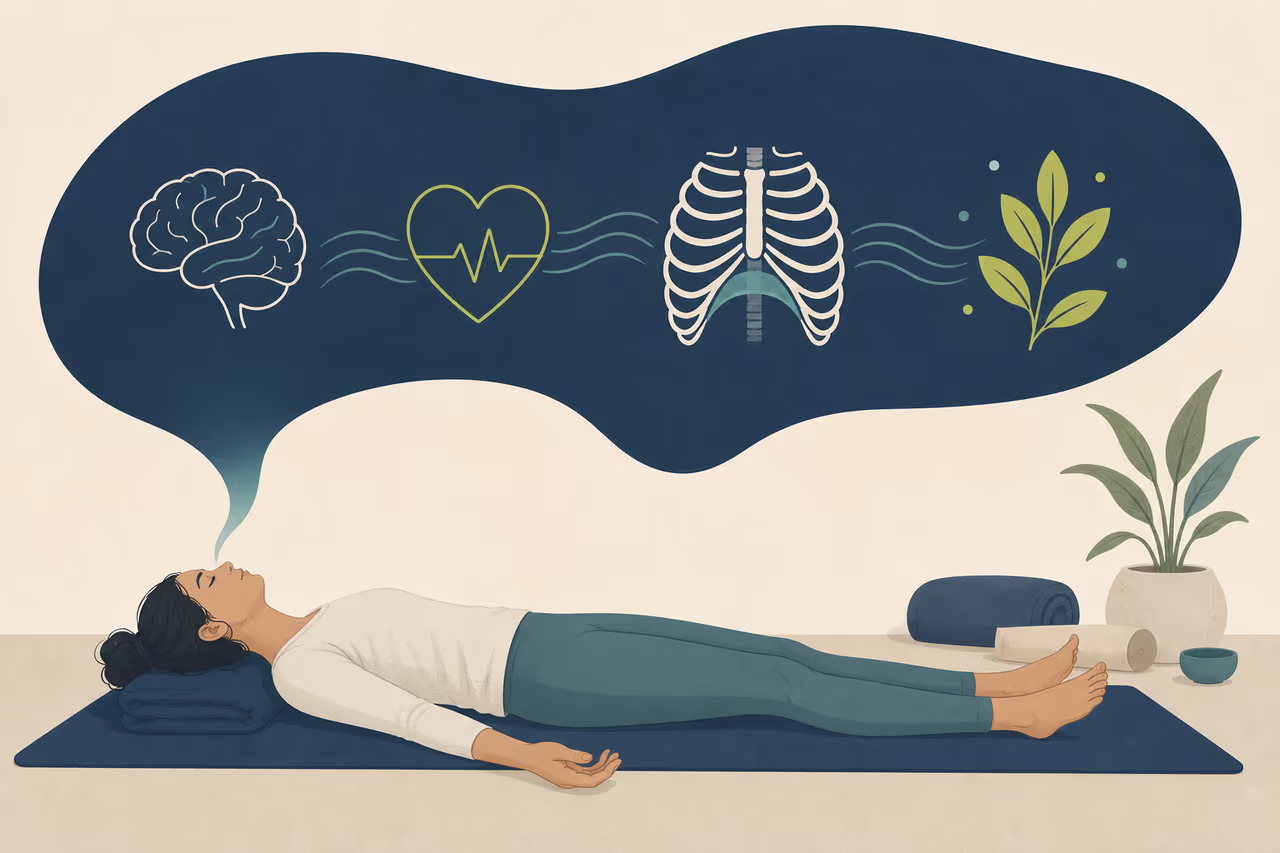
Teachers include savasana to provide a deliberate transition out of active movement. After physical postures and breath regulation, lying flat helps your heart rate, respiration, and nervous system return toward baseline states.
At the same time, keep expectations grounded, as individual experiences vary widely. While many practitioners find closing rest helps them feel calm, it does not guarantee a specific therapeutic or medical outcome, and styles vary significantly across traditions and studio environments.
Common Trade-offs and Practical Limits
Like any part of a wellbeing routine, savasana involves practical trade-offs every practitioner must navigate.
- Time Constraints: Staying for savasana requires extra time at the end of a session, which can conflict with a tight schedule or a busy workday. Rushing out early is a common habit when time is short.
- Discomfort and Restlessness: Lying completely still can provoke physical discomfort, stiffness, or mental restlessness for some practitioners rather than relaxation. While restorative and resting postures are generally gentle, injuries can occur if the body is forced into uncomfortable shapes or if underlying physical issues are ignored.
- Style Variations: Not every yoga style handles closing rest in the exact same way. Fast-paced vinyasa classes might feature a shorter, more streamlined savasana, while restorative or yin classes may dedicate significant portions of the session to prolonged resting shapes.
| Factor | Standard Approach | Practical Alternative |
|---|---|---|
| Duration | 5 to 10 minutes at class end | Shorten to 2 minutes or adapt to fit your schedule |
| Position | Flat on the back (supine) | Knees bent, side-lying, or using props for support |
| Environment | Studio lights dimmed and quiet | Practicing at home with minimal distractions |
Savasana Self-Assessment Checklist
If you are deciding how to approach closing rest in your routine, use this checklist to evaluate your needs:
- Notice whether you typically rush out of class before savasana or stay for the rest.
- Identify if physical discomfort makes lying flat on your back challenging.
- Consider trying a supported resting shape (such as bending your knees or using props) if flat lying is unhelpful.
- Explore booking a class with a qualified trainer to experience guided transitions firsthand.
Choosing Your Next Step
Navigating unfamiliar yoga terms can feel daunting. Prime Tempr's trainer marketplace lets readers turn unfamiliar yoga language into better questions, then choose guided instruction instead of relying on a static glossary. Whether you want to explore How Yoga Class Sequences Are Structured: A Practical Guide or dive deeper into Yoga Language & Class Cues, a professional guide makes it easier to adapt every part of a class,including savasana,to your comfort and schedule. When you are ready for personalized support, you can Practise with a qualified trainer to find an approach that works for you.
Sources
Watch alongside this guide
An introductory yoga flow
Watch how spoken cues, breath, and transitions work together, then compare them with the article's guidance. Source: Yoga With Adriene. This optional video is context, not evidence or personal instruction.
The YouTube player stays unloaded until you choose to watch. Loading it connects to YouTube and may allow that service to process usage data.