Why Yoga Teachers Offer Pose Options (And How to Choose)
Learn why yoga teachers offer pose variations, how to choose the right option safely, and when to seek personalized support.
https://primetempr.com/blog/why-yoga-teachers-offer-pose-options-and-how-to-choose
Pose options are structural tools teachers use to accommodate different bodies, energy levels, and safety needs rather than signs of failure. When a teacher offers multiple versions of a posture, it can trigger confusion about whether you are doing something wrong. These choices help participants match movement to their present capacity.
Yoga combines postures, breathing and meditation; styles vary, benefits should be described with uncertainty, and injuries can occur. Because individual bodies respond differently to these elements, offering variations is an essential part of making movement sustainable.
The Real Reason Teachers Offer Options
Explaining why options exist reframes modifications as normal teaching practice rather than a fallback for beginners. Every human body has a unique skeletal structure, movement history, and fluctuating daily energy level. A pose that feels accessible one day might feel tight or straining the next.
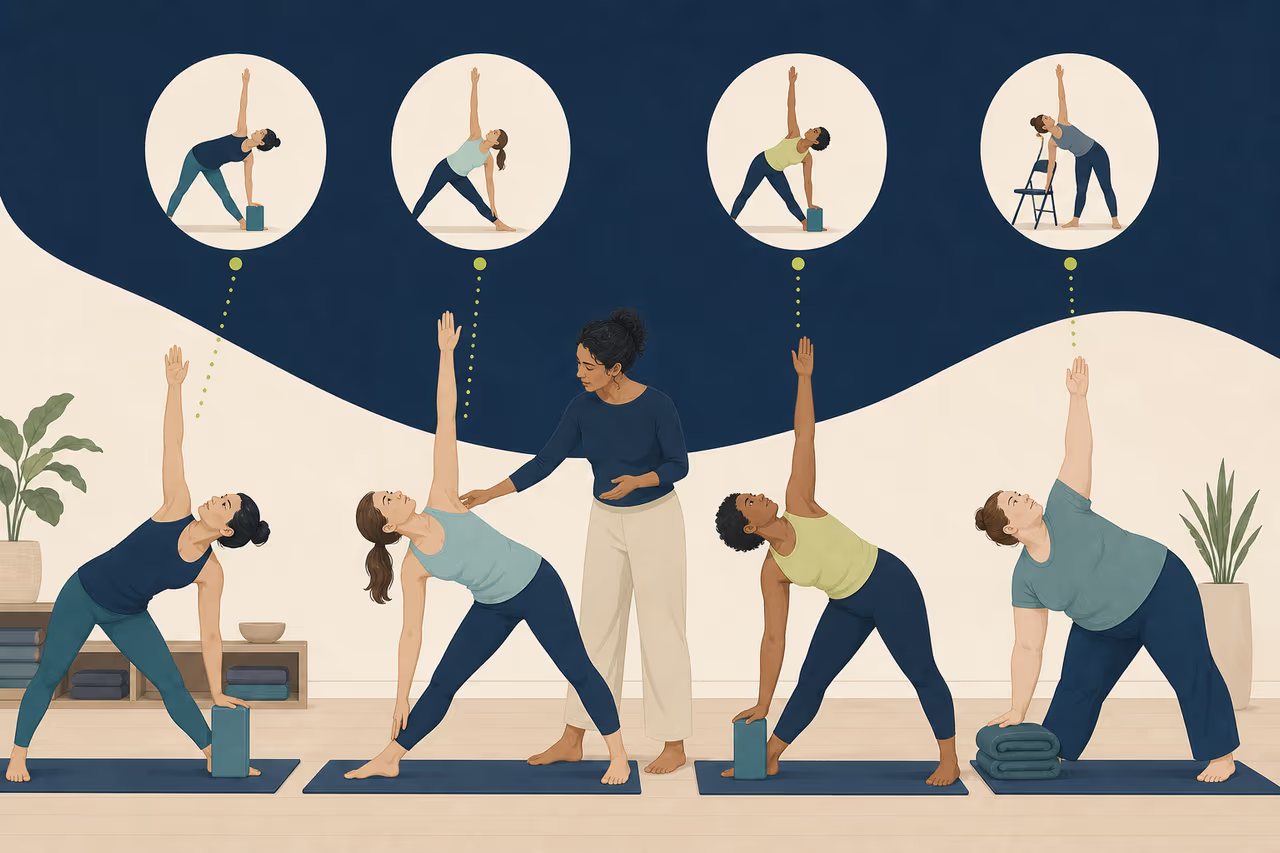
Teachers provide variations to bridge the gap between a standardized shape and the person practicing. These options can include props like blocks or straps, altered foot placements, or a less demanding range of motion. Utilizing these choices reflects self-awareness rather than missing out on core benefits.
Safety, Styles, and Individual Differences
Different yoga styles approach postures with varying intensities, speeds, and structural demands. No single style is universally safe or appropriate for every body at all times. Because injuries can occur when poses are forced or practiced past stability, modifications act as a vital safety valve.
Any amount of physical activity is better than none, all activity counts, and people should limit sedentary time. Adapting a pose to suit your joints or fatigue level keeps movement safe and accessible, making consistency achievable over the long term.
| Approach | Traditional / Full Expression | Modified / Accessible Variation |
|---|---|---|
| Primary Focus | Reaching a specific external shape or depth | Maintaining joint stability and smooth breathing |
| Risk Profile | Higher potential for strain if flexibility is forced | Lower immediate impact; supports sustainable joint health |
| Best Used When | You feel warm, stable, and have ample recovery capacity | You feel fatigued, restricted, or are working around an injury |
How to Choose the Right Variation for You
Deciding which variation to choose during a fast-moving class can feel overwhelming while trying to keep up. Practical checks can simplify your decision-making in real time.
Choosing Your Yoga Pose Variation: A Quick Guide
- Check your breath: if breathing becomes strained or shallow, choose a less intense variation.
- Prioritize joint stability and a pain-free range of motion over reaching a specific shape.
- Use props or alternative foot placements offered by the teacher to maintain a steady base.
- Remember that any amount of mindful movement counts; consistency matters more than intensity.
When in doubt during class, choose a stable, moderate variation or rest in a neutral posture, and ask the teacher afterward which option fits best. Pushing into an advanced form of a pose despite pain or instability to keep up leads to common setbacks.
Next Steps: Practising with Clarity
Navigating unfamiliar cues and pose options is easier with personalized support. General class options provide a starting point but cannot replace instruction tailored to your specific physical limitations or goals.
If you find yourself guessing at terminology or wondering if a modification fits, static glossaries offer limited help. Prime Tempr's trainer marketplace lets readers turn unfamiliar yoga language into better questions, then choose guided instruction instead of relying on a static glossary alone. You can Practise with a qualified trainer to explore movements designed specifically for your body. To learn more about how teachers communicate movement, explore Yoga Language & Class Cues and read up on How to Interpret Sensation Language in Yoga Class.
Sources
Watch alongside this guide
An introductory yoga flow
Watch how spoken cues, breath, and transitions work together, then compare them with the article's guidance. Source: Yoga With Adriene. This optional video is context, not evidence or personal instruction.
The YouTube player stays unloaded until you choose to watch. Loading it connects to YouTube and may allow that service to process usage data.