Why Yoga Classes Use a Warm Up: A Clear Guide
Understand why yoga classes start with a warm-up, how it prepares your body for movement, and how to pace your practice safely.
https://primetempr.com/blog/why-yoga-classes-use-a-warm-up-a-clear-guide
Yoga classes use a warm-up to transition the body and mind into movement, preparing joints and muscles for more demanding postures while shifting focus from daily distractions. Rather than jumping straight into peak poses or advanced balancing sequences, a thoughtful opening allows you to ease into your range of motion gradually.
Understanding why this transitional phase exists helps you get more out of your practice, whether you are stepping onto a mat for the first time or refining your daily routine.
The Direct Answer: What the Yoga Warm-Up Does
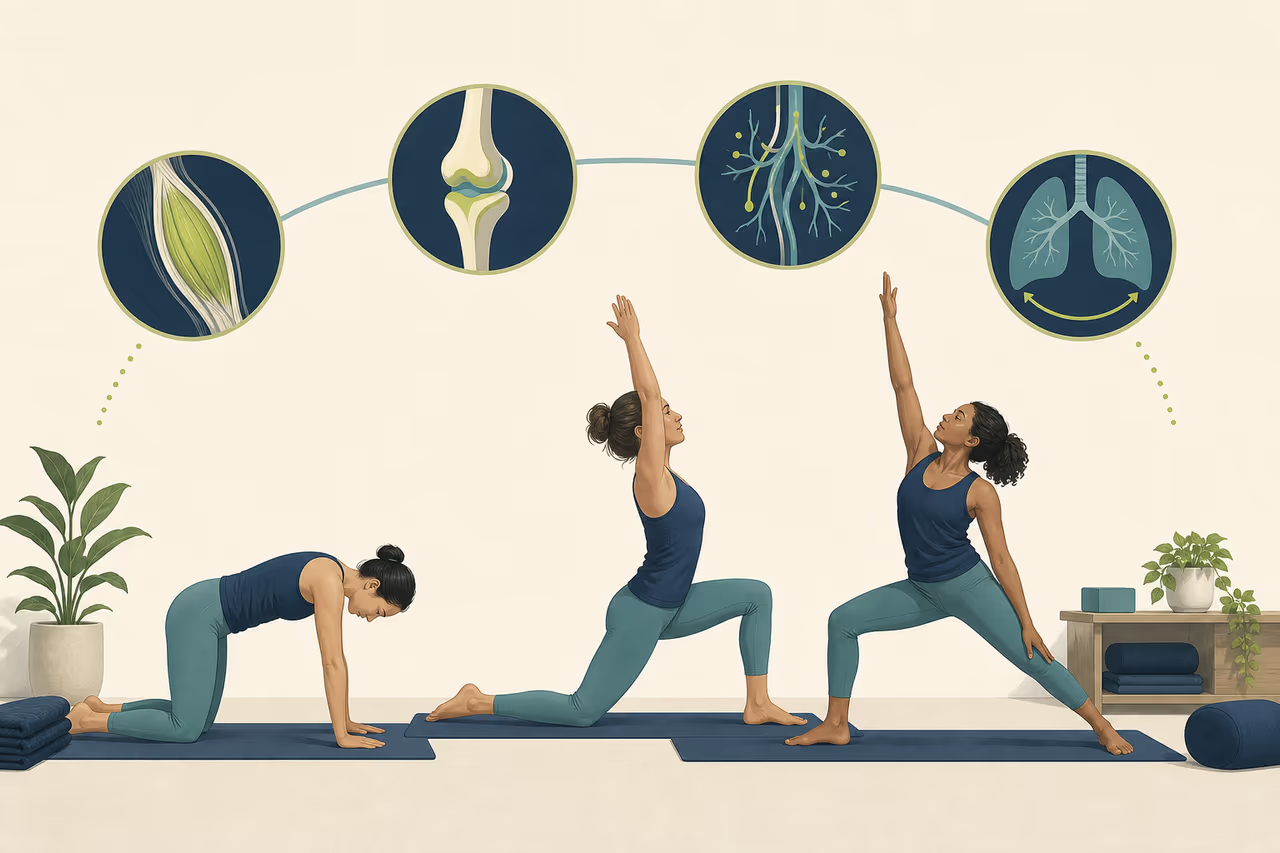
The primary purpose of a yoga warm-up is to bridge the gap between sedentary rest and active movement. Yoga combines postures, breathing, and meditation; styles vary, benefits should be described with uncertainty, and injuries can occur. Starting a session with lighter movements, intentional breathing, or gentle joint mobilizations signals to the nervous system that physical activity has begun.
Instead of demanding maximum flexibility or strength immediately, an opening sequence allows connective tissues and muscles to adapt progressively. This initial phase also gives practitioners a chance to check in with current energy levels, stiffness, or fatigue before attempting more complex shapes.
How Styles and Approaches Vary Across Classes
Not all yoga classes approach the opening minutes the same way. Because yoga styles vary significantly, the warm-up can look very different depending on the tradition.
- Vinyasa or Power Yoga: Often incorporates repetitive, flowing movements like modified sun salutations to elevate the heart rate and warm the body quickly.
- Hatha Yoga: May feature longer-held, foundational postures or gentle seated stretches to open specific areas of the body without rapid transitions.
- Restorative or Yin Yoga: Might skip an active physical warm-up altogether, moving straight into supported, passive shapes designed to encourage deep relaxation.
Recognizing these stylistic differences helps you choose a class that matches what your body needs on any given day, rather than expecting every instructor to follow the exact same script.
Setting Realistic Expectations and Safety Realities
It is easy to fall into common traps when evaluating a class warm-up. A frequent misconception is assuming that a well-designed opening sequence completely eliminates the risk of injury. In reality, physical activity carries inherent risks, and injuries can occur even with thorough preparation.
Another pitfall is treating warm-ups as a rigid routine or mistaking high intensity and heavy sweating for a successful start. Any amount of physical activity is better than none, all activity counts, and people should limit sedentary time, but pushing into discomfort during the first five minutes of class rarely helps your long-term mobility.
Standardized warm-ups may not fit every individual daily recovery needs or structural quirks. Balancing instructional brevity with enough preparation time is always a compromise for teachers working within a fixed schedule. If a sequence feels too fast or cold for your joints initially, remember that you can modify your range of motion, use props like blocks or blankets, or rest in a neutral position until you feel ready.
Before Your Next Class: A Warm-Up Reflection
To help you apply these insights, run through this quick reflection before your next session.
- Notice how your body feels during the first five minutes of movement.
- Check if you are rushing into deep ranges of motion too quickly.
- Consider whether your chosen class style matches your current energy levels.
- Explore working with a qualified trainer to get personalized pacing guidance.
If you find that standard class structures leave you guessing about terminology or pacing, you do not have to rely on a static glossary alone. Prime Tempr's trainer marketplace lets readers turn unfamiliar yoga language into better questions, then choose guided instruction. You can browse local instructors, learn more about class sequences through resources like How Yoga Class Sequences Are Structured: A Practical Guide, dive deeper into Yoga Language & Class Cues, or Practise with a qualified trainer to find support tailored to your unique movement goals.
Sources
Watch alongside this guide
An introductory yoga flow
Watch how spoken cues, breath, and transitions work together, then compare them with the article's guidance. Source: Yoga With Adriene. This optional video is context, not evidence or personal instruction.
The YouTube player stays unloaded until you choose to watch. Loading it connects to YouTube and may allow that service to process usage data.