What Counterpose Means in Yoga: A Clear Guide
Discover what counterposes mean in yoga practice, how instructors balance intensity, and when you should modify shapes.
https://primetempr.com/blog/what-counterpose-means-in-yoga-a-clear-guide
A counterpose in yoga is a subsequent movement or shape used to balance intensity, range of motion, or loading. Its exact application varies by teacher and style rather than following a rigid physiological rule. When you encounter unfamiliar yoga terminology in class, it is easy to wonder whether every instruction is a strict physical requirement or merely a stylistic suggestion. This guide breaks down what counterposes actually do, where rigid rules fall short, and how you can navigate class sequencing with more confidence.
What a Counterpose Is in Yoga
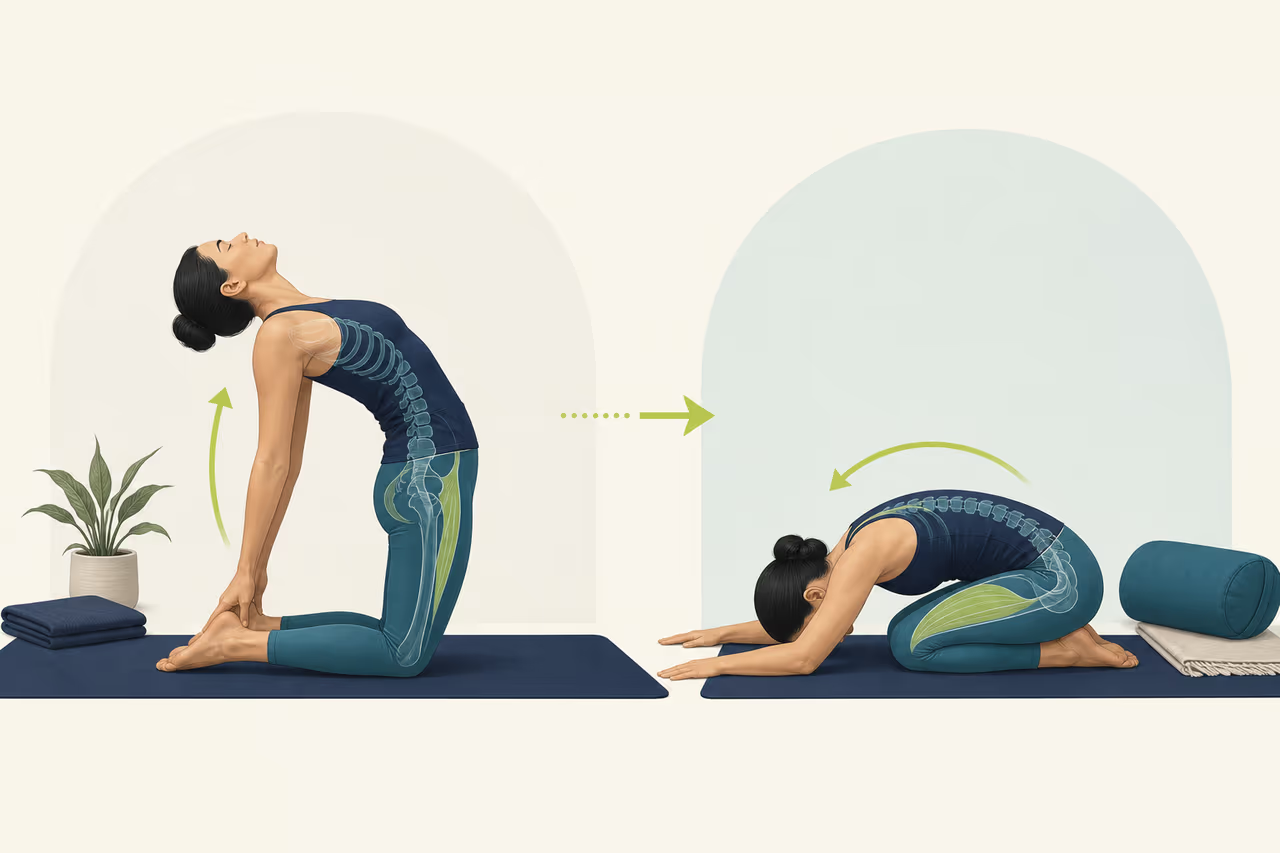
In a yoga class, a counterpose is a posture that follows an intense or deep shape, such as a backbend, deep forward fold, or sustained balance, to help the body transition. For example, a gentle twist or mild forward fold might be offered after a deep backbend to change the direction of the spine movement.
Because yoga combines postures, breathing, and meditation with widely varying styles, how these transitional shapes are applied is not universal. One teacher might use a specific counterpose to neutralize spinal extension, while another instructor in a different style might move directly into a completely different movement family. Recognizing that styles vary helps take the pressure off finding a single "correct" way to structure every moment of practice.
Why Teachers Use Counterposes in Sequencing
Teachers introduce counterposes primarily to help students shift loading patterns and manage muscular fatigue. After holding a demanding pose, the nervous system and supporting muscles often benefit from a change in position.
However, benefits should be described with uncertainty. Not every body responds to the exact same transitional shape in the same way. What feels relieving and balancing for one student might feel awkward or overly intense for another. Sequencing choices reflect a teacher lineage, training background, and understanding of the room rather than an absolute physiological mandate.
Limits and Trade-Offs of Rigid Sequencing Rules
A common failure mode in yoga practice is treating counterposes and class sequences as strict medical or physiological necessities. Some practitioners assume that skipping a designated counterpose or altering the suggested order will cause immediate harm. In reality, physical activity is adaptable, and any amount of mindful movement counts toward overall well-being, provided you listen to your physical feedback.
At the same time, injuries can occur in yoga when practitioners force their bodies into shapes, including counterposes, because they feel obligated to follow a teacher cue blindly. If a standard counterpose does not feel relieving or causes pinching or sharp discomfort, modifying the range of motion, skipping the shape entirely, or taking a resting pose is a much safer choice than pushing through pain.
| Approach | What It Assumes | Practical Reality |
|---|---|---|
| Rigid Sequencing | Every peak pose requires a fixed, mandatory counterpose to prevent injury. | Styles vary widely; bodies respond differently, and flexibility levels dictate unique needs. |
| Flexible Inquiry | Counterposes are helpful suggestions to balance loading and range of motion. | Modifying or skipping transitional shapes based on personal feedback keeps practice sustainable. |
Three Questions to Ask About Your Next Class Sequence
To move away from rigid assumptions and develop better body awareness, consider exploring these three reflection questions after your next practice session:
- Did my body feel genuinely balanced after the last sequence, or did the counterpose feel rushed?
- Am I relying on rigid rules about poses, or am I listening to my physical feedback?
- Would asking a qualified trainer clarify why certain shapes follow others in class?
How to Explore Yoga Language with a Qualified Trainer
Static glossaries explain terms in isolation, but only interactive or live trainer guidance can adapt sequences to your specific physical needs. If you find yourself guessing about why certain postures are grouped together or whether a counterpose is right for your joints, exploring further can transform your practice.
Prime Tempr's trainer marketplace lets readers turn unfamiliar yoga language into better questions, then choose guided instruction instead of relying on a static glossary alone. Whether you want to refine your alignment or understand class sequencing more deeply, working directly with an experienced professional ensures your practice matches your actual physical capabilities. Practise with a qualified trainer to get personalized support, explore How Yoga Class Sequences Are Structured: A Practical Guide, or browse more resources in our Yoga Language & Class Cues hub.
Sources
- Yoga: Effectiveness and Safety (opens in a new tab), National Center for Complementary and Integrative Health (NCCIH).
- Physical activity (opens in a new tab), World Health Organization (WHO).
Watch alongside this guide
An introductory yoga flow
Watch how spoken cues, breath, and transitions work together, then compare them with the article's guidance. Source: Yoga With Adriene. This optional video is context, not evidence or personal instruction.
The YouTube player stays unloaded until you choose to watch. Loading it connects to YouTube and may allow that service to process usage data.