How to Take a 10-Minute Movement Break Without the Guilt
Integrate ten minutes of daily movement into your caregiving routine to sustain your health without sacrificing your peace.
https://primetempr.com/blog/how-to-take-a-10-minute-movement-break-without-the-guilt
You do not need an hour of uninterrupted time or a dedicated studio space to support your physical health. If you are a caregiver, the pressure to maintain a "perfect" fitness routine often leads to burnout or, more commonly, the decision to skip movement entirely.
Any amount of physical activity is better than none, and all activity counts toward your health. Ten minutes of movement is not a shortcut or a failure. It is a legitimate, health-sustaining practice that fits into your caregiving reality without requiring you to sacrifice your duties or your peace of mind.
Why 10 minutes matters
When you balance the needs of a multigenerational household, work, and caregiving, your own physical well-being often drops to the bottom of the list. However, global health guidelines emphasize that consistency matters more than the duration of a single session.
Adults can work toward 150 to 300 weekly minutes of moderate aerobic activity and muscle strengthening on at least two days. By breaking this down into smaller, manageable chunks, you can meet these targets without needing to find a single, large block of time. When you move for ten minutes, you are not just "fitting it in",you are actively contributing to your long-term health.
Navigating the guilt of self-care
Guilt is a common barrier for caregivers. You may feel that taking time for yourself is selfish or that your focus should remain entirely on those you care for. This mindset creates a failure mode where you only attempt to move when you have "extra" time, which rarely happens.
Reframe your movement as a necessary maintenance task, similar to eating or sleeping. If you are physically and mentally depleted, your ability to provide care diminishes. Taking a ten-minute break sustains your capacity to care for others.
If your routine is constantly interrupted, stop trying to force a rigid structure. Accept that interruptions are part of your current season of life. If you are interrupted during your ten minutes, stop without judgment. The goal is to build a habit of movement that fits your life, not to build a life that fits a rigid exercise program.
Practical ways to move in a busy home
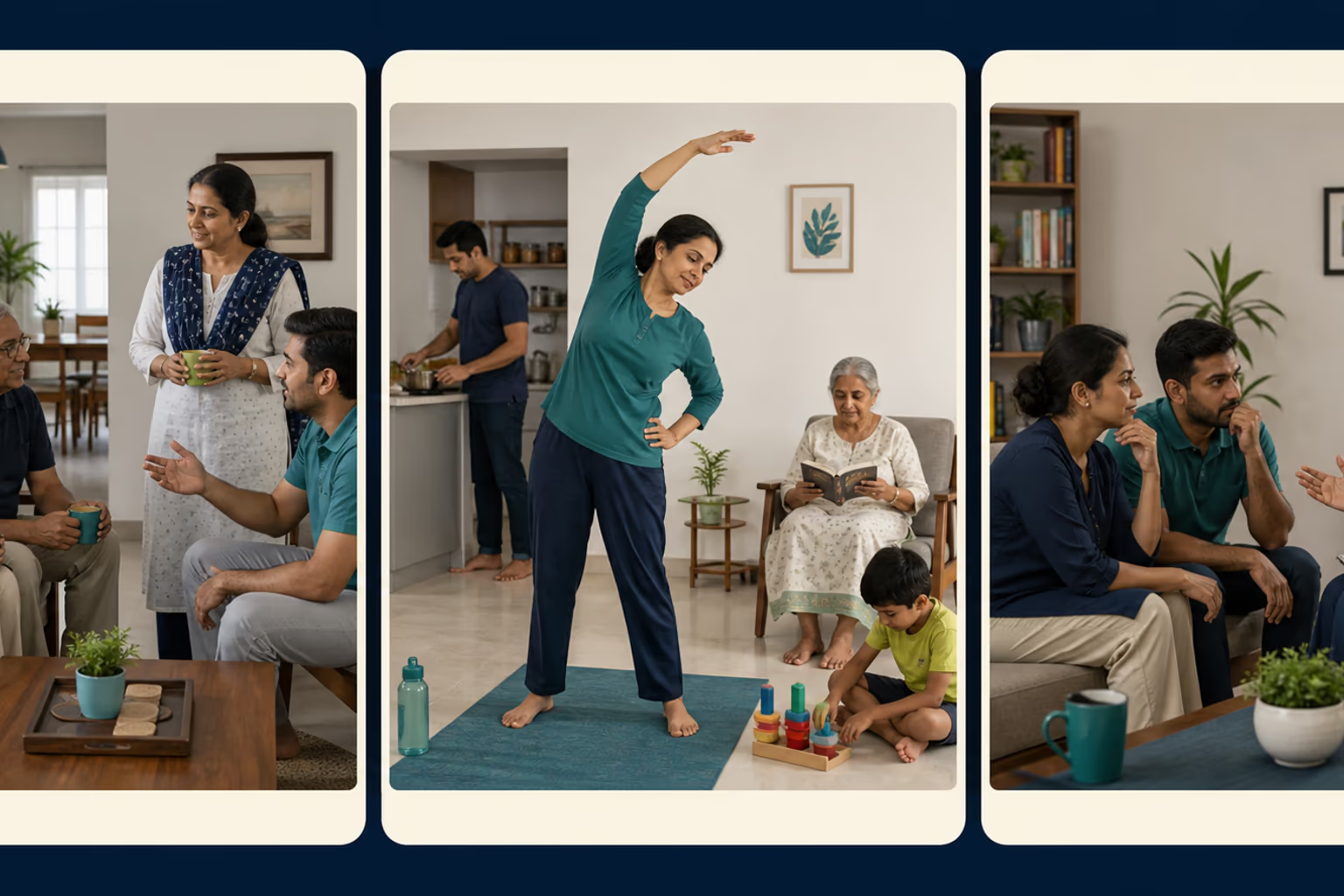
In a busy home, the best movement is the one you can actually do. You do not need special equipment or a quiet room. Integrate movement into transition times, such as while the kettle boils, during a child’s nap, or after the school run.
If a ten-minute block feels impossible, drop to two minutes or simply change your position. If you have been sitting, stand up. If you have been standing, try a gentle stretch. Focus on the act of moving rather than the intensity of the exercise.
When generic routines do not fit your specific constraints,such as small living spaces or the need for family-aware pacing,you may benefit from professional guidance. Prime Tempr helps caregivers compare online and local trainers who can offer flexible schedules and guided alternatives that respect your reality. You can find family-aware guidance to help you tailor your movement to your home environment.
Your 10-Minute 'no-guilt' movement menu
This plan is flexible. You can scale it down if your day becomes chaotic, and you can stop at any time.
- Identify one 'transition' time: Pick a moment in your day that already exists, such as while waiting for the kettle to boil or right after you finish a specific caregiving task.
- Choose one movement: Keep it simple. Options include a standing side stretch, a gentle neck roll, or slow calf raises.
- Set a timer for 10 minutes: If you get interrupted, stop without judgment. You have already achieved the goal of prioritizing your movement.
- Acknowledge the contribution: Remind yourself that this ten-minute block contributes to your weekly health goals.
- Seek support if needed: If you need more structure, search for a trainer who understands family-aware pacing.
Note: If you feel pain or discomfort, stop immediately. If you are managing chronic conditions or recovering from injury, consult a healthcare professional before starting new movements. Static guidance is not a substitute for personalized medical advice.
When to seek professional support
There are times when a simple routine is not enough to manage the physical strain of caregiving. If you experience persistent pain, significant fatigue, or if your caregiving duties are causing physical injury, seek professional help.
You can learn more about when caregiving strain demands professional support instead of another routine. Additionally, if you struggle to find the space or permission to move, consider reading about how to protect personal practice time in a multigenerational home.
Prioritizing your own movement requires setting boundaries, which may feel uncomfortable in a household where you are the primary support. This discomfort is a normal part of the process. By choosing to move, even for ten minutes, you sustain yourself for the long term.
Sources
Watch alongside this guide
Just walk
This short walking overview offers an easy shared-activity reference. Family members can choose their own pace, route and participation without pressure.
The YouTube player stays unloaded until you choose to watch. Loading it connects to YouTube and may allow that service to process usage data.