How to Keep Movement Private When Family Comments Feel Unhelpful
Protect your personal movement time in a busy household using neutral boundaries, realistic timing, and flexible support systems.
https://primetempr.com/blog/how-to-keep-movement-private-when-family-comments-feel-unhel
Protecting your movement time in a busy household does not require a locked room or an argument. It requires low-friction boundaries, neutral framing, and realistic timing. When family members offer unhelpful commentary, unsolicited advice, or frequent interruptions during your home movement practice, personal time can quickly feel exposed or difficult to maintain. Understanding why these comments happen and applying simple, neutral boundary strategies can help you protect your routine without causing household friction.
Understanding family commentary around movement
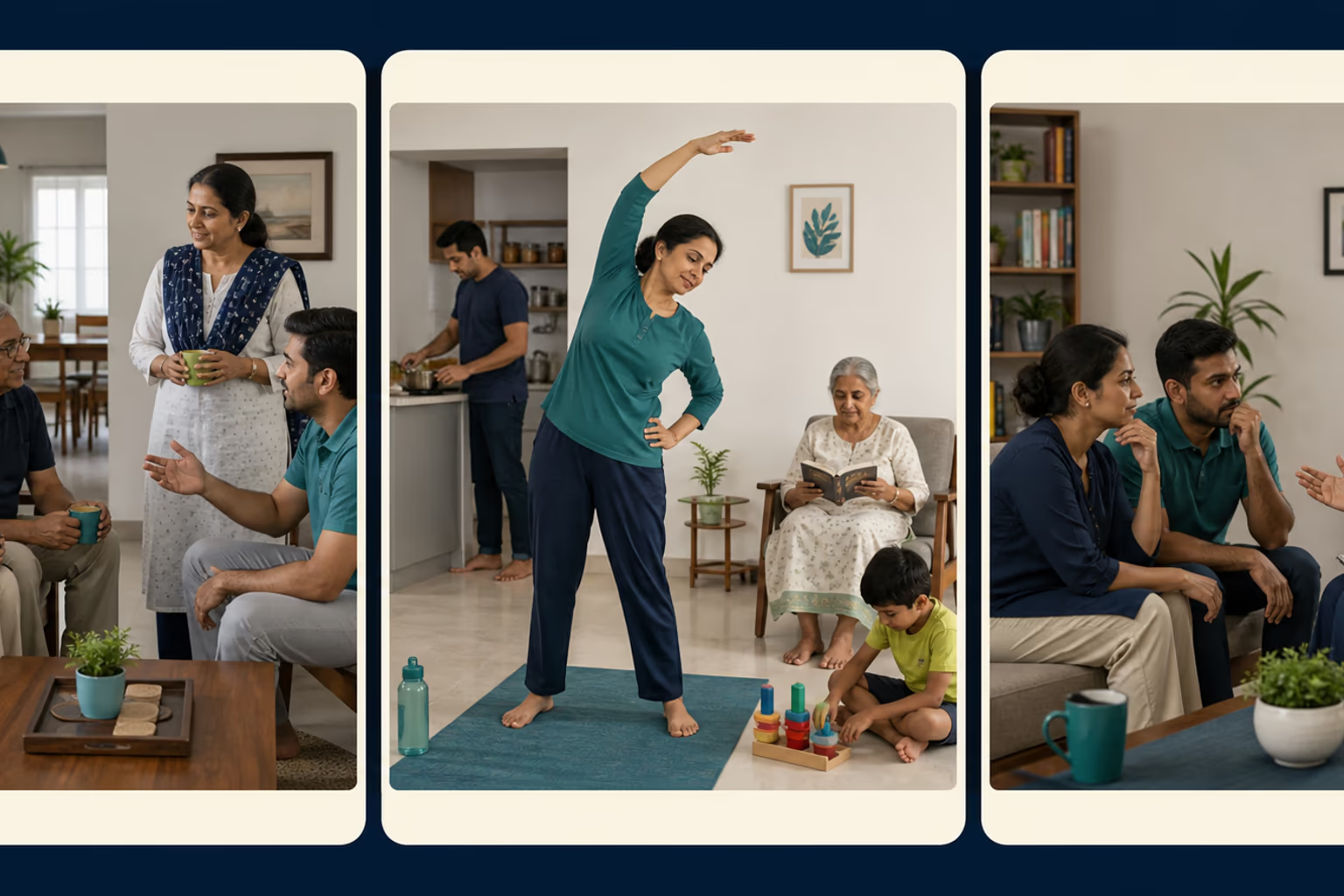
Family members often comment on home routines because a visible change in routine disrupts shared expectations in a multigenerational household. In busy homes where desk jobs, small living spaces, public transport, and caregiving duties overlap, someone starting a new habit naturally draws curiosity or casual remarks. Well-meaning relatives might view exercise as optional leisure or offer unsolicited tips on posture, time management, or dietary choices.
Trying to lecture family members about why movement matters usually backfires, turning a personal habit into a household debate. Any amount of physical activity is better than none, all activity counts, and muscle strengthening benefits everyone, but you do not need household consensus to begin. Instead of explaining or defending your routine, the most effective approach is to reframe their remarks as background noise and keep your engagement minimal.
Finding private windows and spaces
Finding private time in a shared home means accepting smaller windows of time rather than long uninterrupted blocks. Waiting for a completely silent, uninterrupted hour that never arrives is a common failure mode that stops people from starting.
Adults can work toward 150 to 300 weekly minutes of moderate aerobic activity and muscle strengthening on at least two days, but these minutes do not need to happen in a single morning session. Carving out a 10 or 15 minute window during early morning hours before the household wakes, or immediately after evening chores wind down, provides natural privacy. Choose a subtle, neutral space such as a corner of a bedroom or a quiet hallway where movement blends into the background of daily life.
Private movement boundary checklist
- Identify one low-traffic time window, such as early morning or after evening chores.
- Choose a subtle, neutral space like a corner of a bedroom or a quiet hallway.
- Frame your movement neutrally to family members, such as describing it simply as doing a short stretch, to avoid debate.
- Keep your routine brief and self-contained to minimize interruptions.
- Explore flexible trainer support if you need help structuring your time.
Setting neutral boundaries without arguments
Setting boundaries may feel awkward initially, but neutral and consistent habits eventually become normal household background. When family members ask what you are doing or offer unhelpful advice, keep your answers short and descriptive. A neutral phrase like "just doing some light stretching" prevents the conversation from opening into a negotiation.
If interruptions persist, shift to a minimum 10 minute version of your practice in a quieter corner. Letting well-meaning or critical comments derail a consistent routine is easy when you treat every interruption as a failure. Instead, view small adjustments as part of living in a shared environment. If your chosen time slot gets interrupted, adapt by moving to your backup window later in the day.
Next steps for flexible guidance
When generic routines do not fit your living situation or changing daily schedule, structured professional support can help you stay consistent. Prime Tempr helps caregivers compare online and local trainers who can offer flexible schedules, family-aware pacing and guided alternatives. Professional guidance ensures your movement remains safe and efficient, even when your available windows are brief. You can explore options by reviewing how to find family-aware guidance to support your routine. For broader strategies, read more about how to protect personal practice time in a multigenerational home and explore resources on movement for families and caregivers.
Follow-along reflection
Use the prompts below to review the idea in context, without turning it into a diagnosis or a fixed rule.
Private movement boundary checklist
- Identify one low-traffic time window (early morning or after evening chores).
- Choose a subtle, neutral space (a corner of a bedroom or quiet hallway).
- Frame your movement neutrally to family (e.g., 'doing a short stretch') to avoid debate.
Trade-offs to keep in view
- Keeping movement private in a shared home means accepting smaller windows of time rather than long uninterrupted blocks.
If this approach does not fit
If your chosen time slot gets interrupted or commented on, shift to a minimum 10-minute version in a quieter corner or during early morning hours, and use professional guidance if you need structured scheduling.
Questions to carry forward
- Why do family members comment on home movement routines?
- How can I set quiet boundaries without causing household friction?
- What are the best times of day for uninterrupted solo movement?
- How can Prime Tempr help find flexible, family-aware trainers?
Keep learning
Ready for the next step? How to Protect Personal Practice Time in a Multigenerational Home.
Sources
Watch alongside this guide
Just walk
This short walking overview offers an easy shared-activity reference. Family members can choose their own pace, route and participation without pressure.
The YouTube player stays unloaded until you choose to watch. Loading it connects to YouTube and may allow that service to process usage data.