Yoga vs. Dedicated Mobility: How to Choose the Right Practice
Compare yoga and mobility training to select the practice that matches your physical goals, joint needs, and schedule.
https://primetempr.com/blog/yoga-vs-dedicated-mobility-how-to-choose-the-right-practice
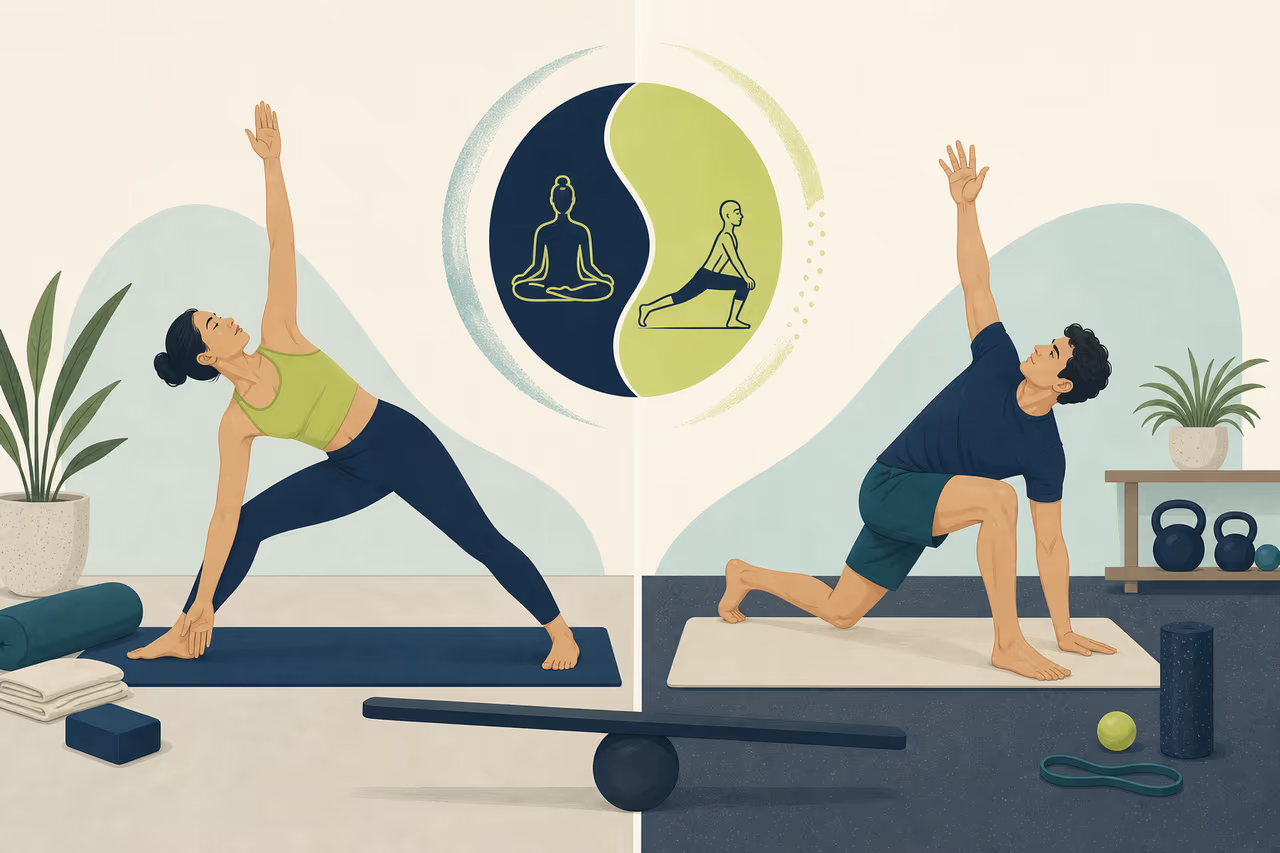
Choosing between yoga and a dedicated mobility routine is not a binary decision. You do not have to pick one at the expense of the other. The best approach depends on whether you want a holistic, breath-centered movement practice or a targeted, progressive method to address specific joint range-of-motion limitations.
Understanding the Core Differences
At a high level, the distinction lies in the intent of the movement. Yoga is a holistic discipline that integrates physical postures, breathwork, and often a meditative component. It encourages movement through various planes of motion, which can contribute to your overall physical activity goals. According to the U.S. Department of Health and Human Services, adults can work toward 150 to 300 weekly minutes of moderate aerobic activity and muscle strengthening on at least two days. Yoga can be an effective way to incorporate these muscle-strengthening sessions into your week.
A dedicated mobility routine is more granular. It focuses on specific joints, such as the hips, shoulders, or ankles, and uses targeted exercises to improve your active range of motion. While yoga moves you through a series of poses, a mobility routine isolates a specific movement pattern to help you gain control over a particular range.
When Yoga Is the Right Choice
Yoga is an excellent choice if your primary goal is general wellbeing, stress reduction, and consistent physical activity. As a holistic practice, it offers benefits beyond the physical by integrating breath and movement.
If you struggle to stay consistent with exercise, the community aspect of a yoga studio or the rhythm of a home practice can provide the motivation to keep moving. Any amount of physical activity is better than none, and all activity counts toward your health goals. Muscle strengthening benefits everyone, and yoga provides a structured, accessible way to meet these guidelines without heavy gym equipment.
When a Dedicated Mobility Routine Wins
A dedicated mobility routine becomes effective when you have specific movement restrictions that hinder your daily life or your performance in other activities. If you have identified a particular area, such as limited overhead shoulder mobility or tight hip flexors, a general yoga class may not provide the repetitive, progressive loading required to see significant change in that area.
Mobility routines allow for precision. They often involve controlled, repetitive movements that help your nervous system "learn" to access a new range of motion. If your goal is to improve your squat depth, overhead press, or ability to sit comfortably for long periods, a targeted mobility program can provide the specific stimulus your body needs. However, these routines can feel repetitive and often lack the holistic, varied, and community-driven benefits found in a yoga class.
The Role of Professional Guidance
One of the most common failure modes is attempting to self-diagnose movement restrictions. If you feel a "tightness" in your back or hips, it is easy to assume you simply need to stretch more. However, what feels like a lack of flexibility might actually be a lack of stability or strength in a surrounding muscle group.
Prime Tempr helps readers compare trainers and local movement businesses when a generic mobility routine needs observation, progression, or a format matched to the individual.
A trainer can observe your movement patterns in real time to help you distinguish between a mobility limitation and a stability issue. They can also ensure that your progression is safe, preventing the mistake of committing to a routine that exceeds your current capacity. If a practice feels ineffective or causes discomfort, pause, assess the intensity, and seek a trainer-led session to ensure the movements are appropriate for your body.
Choosing Your Next Movement Step
If you are still unsure where to start, use this decision guide to assess your path forward.
- Assess your primary goal: Is it general wellbeing and breath-work (Yoga) or specific joint range improvement (Mobility)?
- Check your current capacity: Do you need external observation to ensure safe form?
- Review your schedule: Can you commit to a consistent, progressive routine?
- Find a local trainer: Use Find movement guidance to discuss your specific movement needs with a professional who can help you tailor your approach.
- Start with a trial class: See which format feels most sustainable for your lifestyle.
Can You Combine Both?
Yes, yoga and mobility routines are not mutually exclusive. Many people find success by using a dedicated mobility routine as a "warm-up" or a targeted supplement to their broader yoga practice. For example, you might spend 10 minutes on specific hip mobility work before attending a yoga class. This allows you to address your specific needs while still enjoying the holistic benefits of your yoga practice.
The key is to avoid the trap of "more is better." If you are already attending three yoga classes a week, adding a high-intensity, daily mobility routine might lead to burnout or overtraining. Start small, track how your body feels, and prioritize consistency over intensity. For more on the nuance of movement, read Mobility vs Flexibility Explained: What’s the Difference?.
Sources
- Physical activity (opens in a new tab), World Health Organization.
- Top 10 Things to Know About the Physical Activity Guidelines (opens in a new tab), Office of Disease Prevention and Health Promotion.
Watch alongside this guide
The science of stretch
A Harvard Medical School researcher explains stretching concepts that add useful context to this mobility guide. Source: Conversations That Matter. This optional video is context, not evidence or personal instruction.
The YouTube player stays unloaded until you choose to watch. Loading it connects to YouTube and may allow that service to process usage data.