Yoga Before Bed: A Beginner’s Guide to Winding Down
Build a simple, restorative yoga routine to calm your nervous system and support your nightly wind-down process.
https://primetempr.com/blog/yoga-before-bed-a-beginner-s-guide-to-winding-down
Yoga before bed is a practical tool for calming the nervous system and establishing a consistent pre-sleep routine, though it functions as a supportive habit rather than a medical treatment for sleep disorders. When you want to improve your evening wind-down, the primary goal is shifting your body from daily activity into a state of rest.
Prime Tempr helps readers find restorative yoga, meditation, and trainer-led support while keeping educational content separate from medical care or personalized diagnosis. Focusing on simple, low-intensity movements allows you to create a clear buffer between daytime stress and the time you intend to fall asleep.
Why Yoga Can Support Your Sleep Routine
Sleep quality is influenced by many factors, including your environment and your daily habits. Adult sleep needs vary, and while there is no single "correct" way to fall asleep, evidence suggests that consistent schedules, a quiet dark room, daytime activity, and calmer pre-bed routines can support sleep.
Yoga functions as a relaxation technique. Approaches like breathing, guided imagery, and progressive relaxation are common in many yoga traditions and can help signal to your body that it is time to transition. However, these techniques should not replace conventional medical care if you are experiencing persistent sleep issues. Think of yoga as a way to "bookend" your day, helping you mentally and physically let go of tension before you get into bed.
Choosing the Right Practice for Bedtime
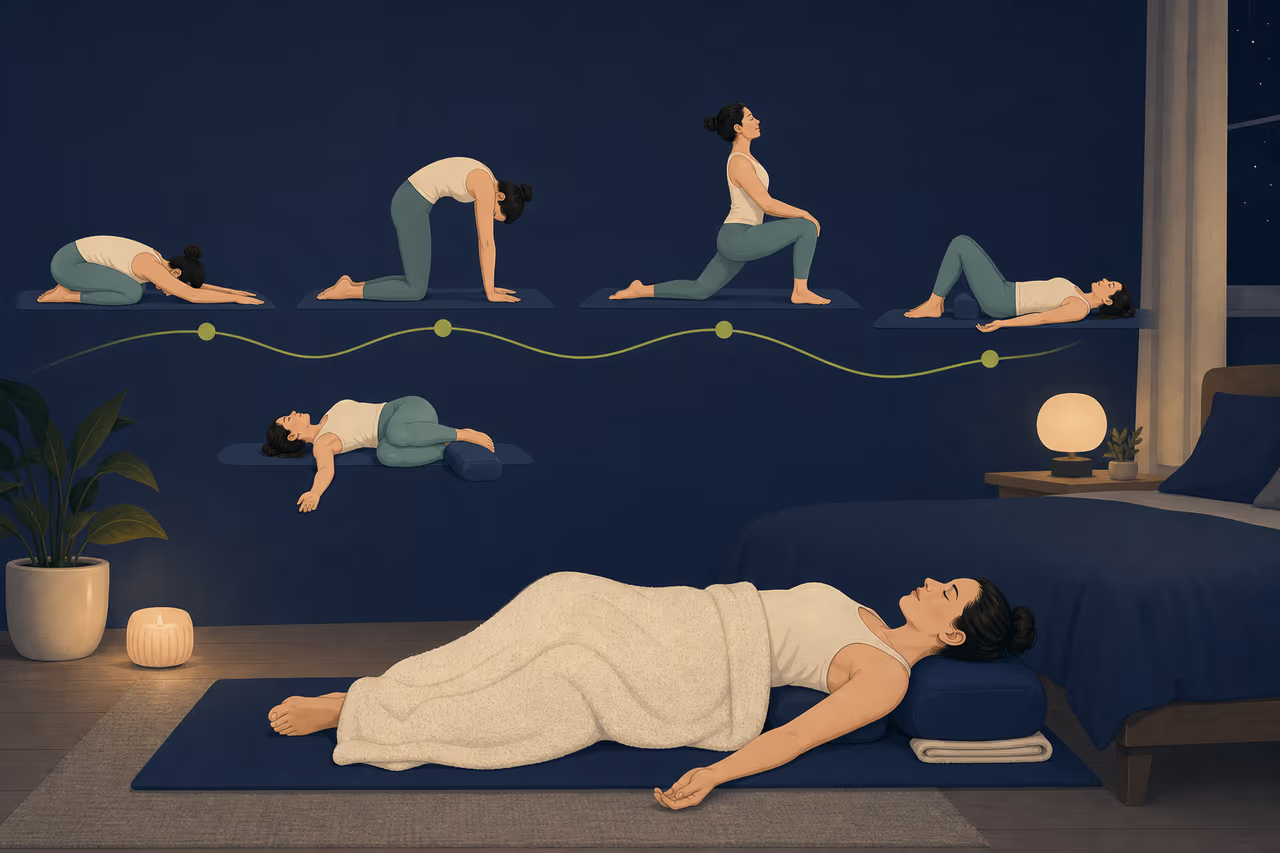
Not all yoga is suitable for the hours leading up to sleep. A common error for beginners is attempting high-intensity or heat-building practices, such as power yoga or fast-paced vinyasa, which raise your heart rate and body temperature. While these styles benefit fitness, they are counterproductive when your goal is to prepare for rest.
Instead, prioritize "restorative" or "gentle" practices. These styles emphasize:
- Slower movement: Focus on transitions that feel fluid and unhurried.
- Breathwork: Prioritize deep, steady breathing over complex physical postures.
- Support: Use props like pillows, blankets, or blocks to support your body, allowing your muscles to release tension rather than working to hold a pose.
If a specific movement makes you feel alert or causes physical discomfort, stop immediately because the goal is relaxation rather than physical achievement. When a posture does not feel right, you can transition into a simple, seated breathing exercise or a guided relaxation session instead.
When to Seek Professional Help
While yoga is a helpful addition to a healthy lifestyle, it is not a cure for chronic insomnia or underlying medical conditions. If you struggle with persistent sleep issues, it is essential to consult a healthcare professional for guidance.
Yoga should never replace conventional medical care. If sleep problems affect your daily functioning, mood, or health, prioritize a conversation with a doctor or a sleep specialist who can determine if an underlying issue requires clinical attention.
How to Start if You Have Never Done Yoga
If you are new to yoga, starting a routine can feel intimidating, but you do not need extreme flexibility, expensive gear, or long sessions to see benefits. Consistency matters far more than the duration or complexity of your practice.
Start small. You might choose to practice for just 10 minutes, focusing on how your body feels rather than how your poses look. Avoid the temptation to chase a "perfect" streak; if you miss a night, simply return to your routine the next evening.
To help you get started, we have outlined a simple, 10-minute approach that you can adapt to your own comfort level.
Your 10-Minute Bedtime Wind-Down
This plan is designed to be accessible for beginners who want to perform simple movements in comfortable clothing within a quiet, dimly lit space.
- Set a consistent time: Begin your wind-down routine at the same time each night to help your body recognize the transition to rest.
- Create your space: Choose a quiet, dimly lit area. Dimming the lights helps signal to your brain that it is time to wind down.
- Gentle movement (5 minutes): Spend five minutes on gentle, seated forward folds or child's pose. Move slowly and focus on releasing tension in your shoulders, neck, and back.
- Focused breathing (5 minutes): Spend five minutes on slow, rhythmic breathing. You might try inhaling for a count of four and exhaling for a count of six, focusing on the sensation of the air moving in and out of your lungs.
- Avoid screens: During this 10-minute window, keep your phone, tablet, and television off. High-intensity movement and screen use can both stimulate the mind, which is the opposite of what you want before sleep.
Next Steps for Your Practice
If you enjoy a guided wind-down but are unsure how to progress, working with an instructor can provide you with personalized guidance.
- Explore restorative guidance to find trainers who specialize in calming, sleep-supportive practices.
- Learn how to build a consistent sleep routine that actually lasts to ensure your yoga practice fits into a broader, healthy lifestyle.
Individual sleep needs vary, meaning what works for one person may not work for another. Be patient with yourself, keep your expectations realistic, and focus on the process of finding what helps you feel most rested.
Sources
- Heart-Healthy Living: Get Enough Good-Quality Sleep (opens in a new tab), National Heart, Lung, and Blood Institute.
- Relaxation Techniques: What You Need To Know (opens in a new tab), National Center for Complementary and Integrative Health.
Watch alongside this guide
Stress management
Use this concise Mayo Clinic explainer alongside the article's practical steps for stress, sleep, and recovery. Source: Mayo Clinic. This optional video is context, not evidence or personal instruction.
The YouTube player stays unloaded until you choose to watch. Loading it connects to YouTube and may allow that service to process usage data.