Why Yoga Classes End With a Cool Down
Understand why yoga classes end with a cool down, how to adapt it, and a simple post-practice routine.
https://primetempr.com/blog/why-yoga-classes-end-with-a-cool-down-a-practical-guide
Yoga classes conclude with a cool down, using resting shapes or slower movements to transition from active postures to rest. This final phase integrates physical movement, recognizing that styles and recovery needs vary among practitioners.
Many new practitioners question why yoga classes dedicate their final minutes to slowing down, lying still, or cooling off instead of continuous movement. Without understanding its purpose, this quiet conclusion can seem puzzling, prompting some to skip it entirely.
The Purpose of the Final Cool Down
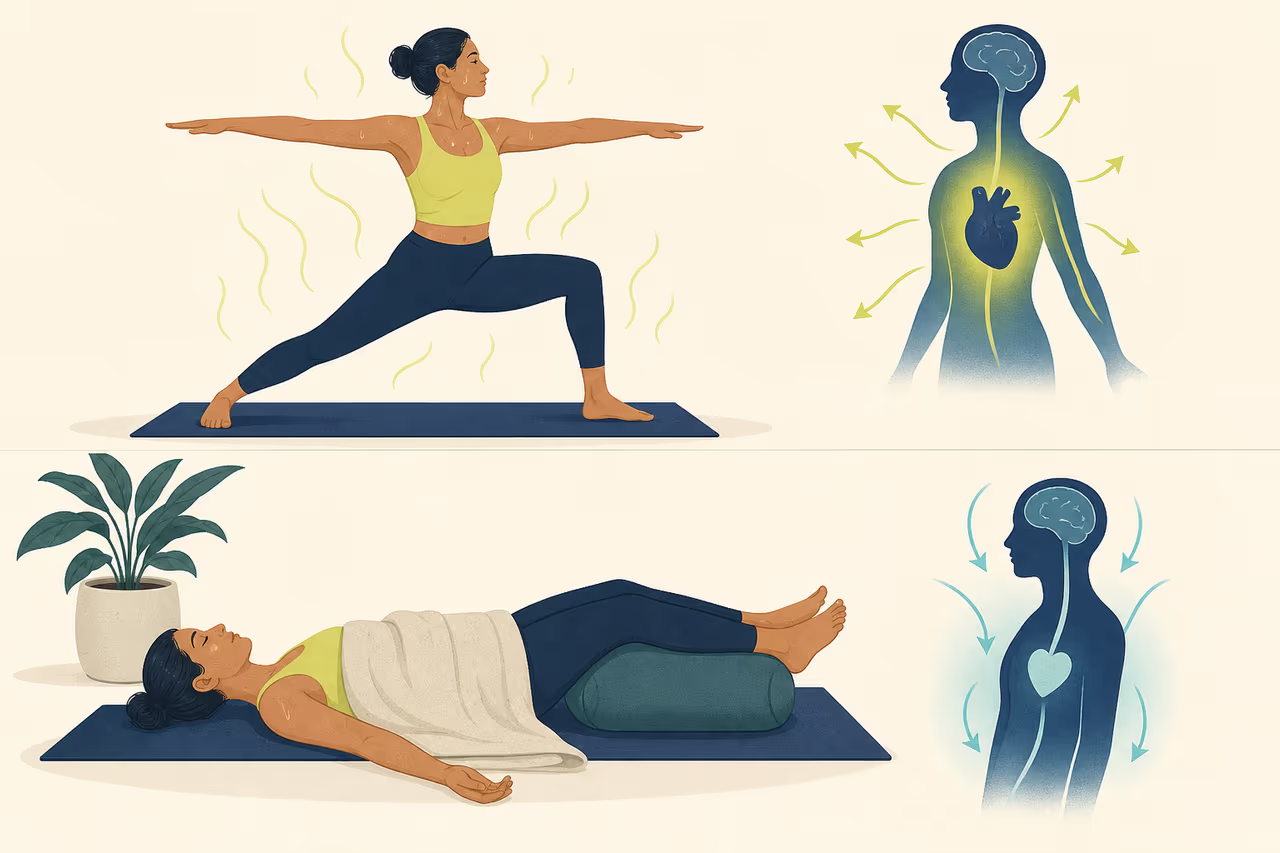
Yoga combines postures, breathing, and meditation; styles vary widely by lineage and teacher. The final minutes of a class are not dead time; they bridge active exertion with everyday life.
Dynamic postures place varied physical demands on your body. Slowing down at the session's end allows your heart rate and breath to return to a resting baseline. While relaxation practices do not offer a rigid medical guarantee against injury or stress, they provide a structured opportunity to notice physical sensations and release accumulated muscular tension.
How Styles Vary at the End of Practice
Because yoga styles vary, the cool down differs significantly depending on the class you attend.
| Yoga Style | Typical Ending Approach | Main Focus |
|---|---|---|
| Restorative or Yin Yoga | Extended floor shapes, props, and long, passive holds | Deep relaxation and minimal active transition |
| Vinyasa or Flow Yoga | Slower supine stretches followed by a brief period of lying still (Savasana) | Rebalancing breath after continuous movement |
| Power or Ashtanga Yoga | Seated meditation or closing breathing exercises | Centering focus before leaving the mat |
Understanding these variations explains why one teacher might lead a ten-minute motionless rest, while another concludes with seated breathing exercises.
Practical Trade-Offs: Time Versus Transition
Every yoga class operates within a fixed time slot,often 45, 60, or 90 minutes. This creates a natural tension between active movement and resting time.
- Active Movement: Spending more time on postures and dynamic flows maximizes your active physical exertion. Any amount of physical activity is better than none, all activity counts, and people should limit sedentary time throughout the day.
- Cool Down and Rest: Allocating five to fifteen minutes to a cool down reduces the total active movement duration within that class slot, but it creates a clearer mental and physical boundary before you return to daily responsibilities.
If you are short on time, skipping the entire cool down can be tempting. However, an all-or-nothing approach is rarely necessary. If time is tight, you can shorten the final resting period to a few minutes of quiet breathing instead of omitting the transition completely. Viewing the end of class as a flexible personal transition prevents frustration when your schedule is packed.
3-Step Post-Practice Transition
To integrate a brief cool down into a self-guided session or make the most of a class's final minutes, use this simple three-step framework:
- Pause for two minutes of steady breathing before standing up from your mat.
- Notice any immediate shifts in physical tension without judging your flexibility or how deep your postures were.
- Choose a sustainable next step: Find a beginner-friendly trainer or browse yoga programmes to match your schedule and goals.
Prime Tempr helps a reader move from general education to guided practice by comparing trainer profiles, local studio listings and trainer-shared practice content in one place. Whether you prefer a dynamic flow or a practice with an extended cool down, exploring different formats helps you find a rhythm that fits your routine. To learn more about what to expect on your first outing, read our guide on Your First Yoga Class: What to Expect and What You Can Skip.
Sources
Watch alongside this guide
Yoga for complete beginners
Use this optional beginner session to see pacing, transitions, and rest choices in a complete home practice. Source: Yoga With Adriene. This optional video is context, not evidence or personal instruction.
The YouTube player stays unloaded until you choose to watch. Loading it connects to YouTube and may allow that service to process usage data.