Your First Yoga Class: How to Prepare and When to Rest
Prepare for a first yoga class with clear checks for access, equipment, payment, privacy and participation choices.
https://primetempr.com/blog/first-yoga-class-what-to-expect
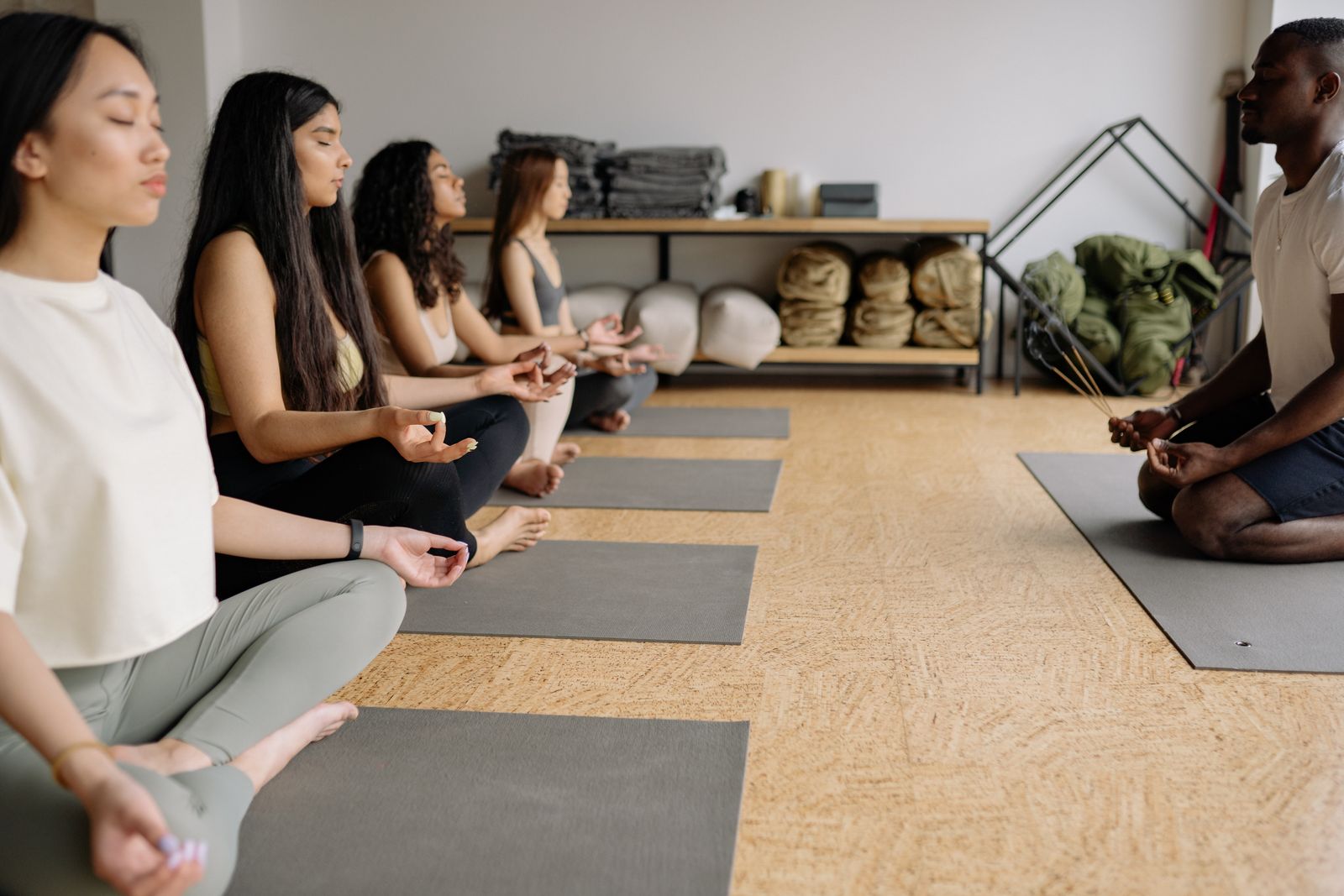
For your first yoga class, start with the session details rather than an equipment shopping list. Find out what the class involves, what you need to bring, and how you can ask a question. Flexibility and a coordinated outfit are not entry requirements.
Check what beginner-friendly means here
Labels such as gentle, foundations, and all-levels do not describe every teacher's class in the same way. Read the description and ask about anything that affects your participation.
| Before booking | What to confirm |
|---|---|
| Format and pace | In person, live online, or recorded; whether demonstrations and questions are included. |
| Access | Seating, floor transitions, stairs, captions, and any other provision you need. |
| Equipment | Which items are supplied, required, or optional. |
| Payment | Full price, cancellation terms, and what happens if you cannot attend. |
| Privacy and contact | How to reach the teacher privately, camera expectations, and recording arrangements. |
A published listing describes an offering; it is not medical clearance or proof that the class suits everyone. For a health condition, injury, or uncertainty about exercise suitability, seek relevant healthcare advice and discuss the practical requirements with the teacher.
Get ready for the actual location or link
Wear clothing that allows comfortable movement. Ask about footwear or equipment rather than assuming you must remove a support you use. Confirm whether the venue supplies mats and props before buying or carrying them.
For an in-person class, check the entrance, arrival instructions, and where you can leave belongings. Allow some time to find the room if possible; follow the venue's late-arrival policy if you are delayed.
For an online session, check the joining instructions and sound in advance. Arrange enough clear space for the activities described. Ask whether camera-off attendance is supported and whether other students can see you. A recording may have playback controls but no live feedback.
Keep choices during class
There is no universal first-class sequence. You may encounter movement, stillness, breathing instructions, or discussion in different combinations.
You can observe, ask for a demonstration, skip a movement, or stop. Rest does not require a specific floor pose. You can also decline touch; consent to one assist does not grant permission for every later assist. Yoga Alliance's member policy describes this as specific informed consent.
Stop exercise and seek appropriate help for pain, dizziness, feeling faint, or unusual breathlessness. A teacher's alternative is not a reason to ignore those symptoms. Yoga injuries can occur even when a class is labelled beginner-friendly.
Decide whether to return
Afterward, consider whether you understood the instructions, could make choices, and knew how to get help. Soreness or a difficult pose is not a score for the class.
If you want another session, clarify any unanswered practical question before paying again. You may prefer the same class, a different format, or a break. None of those choices requires buying a longer programme immediately.
Sources
Watch alongside this guide
Yoga for complete beginners
Use this optional beginner session to see pacing, transitions, and rest choices in a complete home practice. Source: Yoga With Adriene. This optional video is context, not evidence or personal instruction.
The YouTube player stays unloaded until you choose to watch. Loading it connects to YouTube and may allow that service to process usage data.