Why Yoga Classes Begin With a Warm Up
Understand why yoga sessions start with gentle settling movements, navigate time trade-offs, and tailor your warm-up routine effectively.
https://primetempr.com/blog/why-yoga-classes-begin-with-a-warm-up
Yoga classes begin with a warm-up to help practitioners ease into postures, breathing exercises, and meditation. New students often wonder why sessions spend minutes on gentle settling or mild movements instead of diving straight into demanding postures. They may feel the beginning is unnecessary.
Understanding the role of the warm-up helps you make the most of your practice time, whether you follow a self-guided routine or join a studio class. Any amount of physical activity is better than none, all activity counts, and people should limit sedentary time. However, moving directly into intense movements without a transition can feel jarring.
The Purpose of Starting Slowly
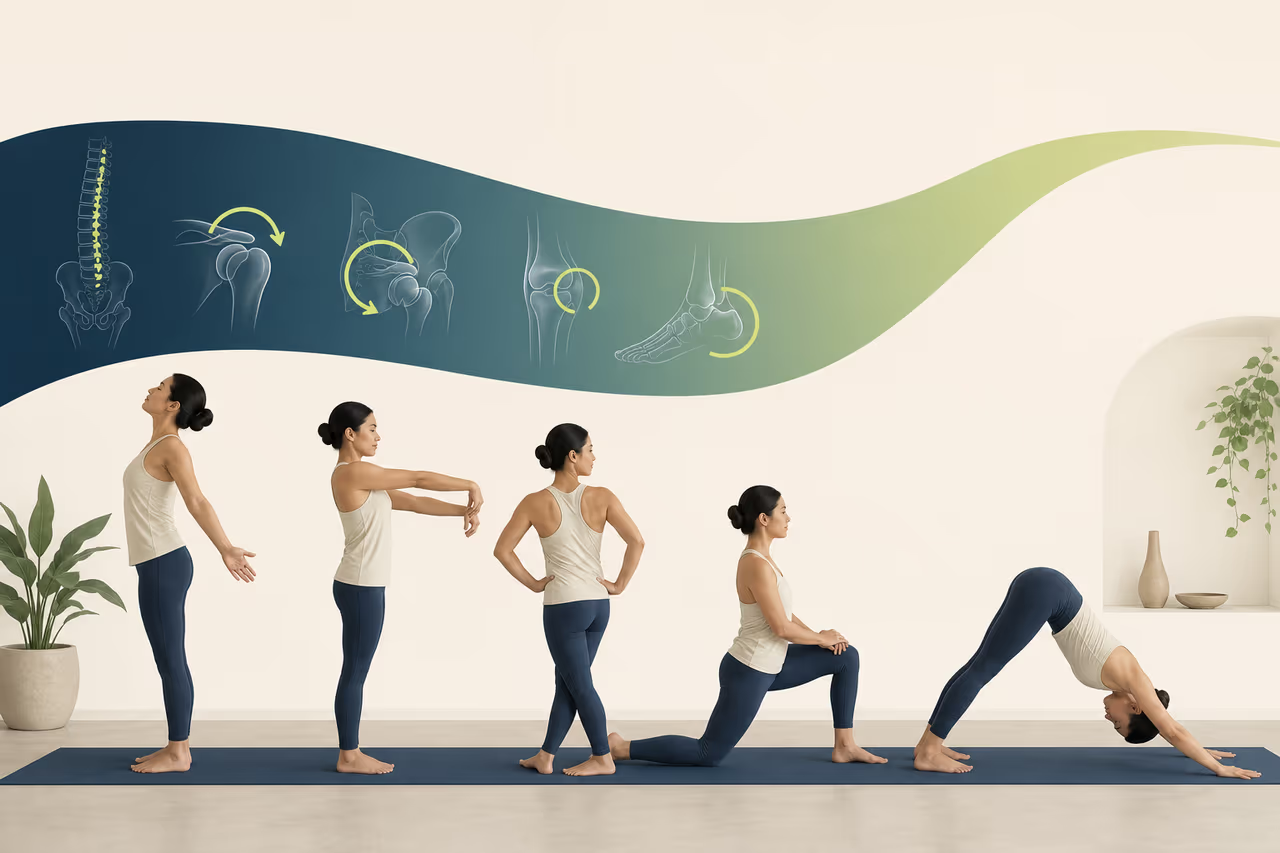
Yoga combines postures, breathing, and meditation; styles vary, benefits should be described with uncertainty, and injuries can occur. Beginning a session with slower movements or breath awareness bridges daily life into physical practice.
When you arrive at your mat, your body may still be stiff from sitting at a desk or moving through daily chores. A thoughtful start allows you to notice how you feel that day. Rather than treating the opening minutes as an unnecessary delay, practitioners often find that taking time to settle helps clear mental clutter and prepares the body for subsequent postures.
How Styles and Approaches Vary
Not all yoga classes approach the beginning of a session the same way. Styles vary widely across the discipline, so the opening minutes differ depending on the format:
| Yoga Approach | Typical Opening Focus | What to Expect |
|---|---|---|
| Gentle / Restorative | Breath and stillness | Extended time spent lying or sitting down, focusing on deep breathing and relaxation. |
| Vinyasa / Flow | Synchronized breath and movement | Gentle cat-cow stretches, sun salutations, or mild mobility work to build gradual heat. |
| Ashtanga | Structured opening sequences | A standardized set of opening chants or foundational movements practiced consistently. |
Recognizing these differences helps you select a class format that matches your preferences. If you prefer a slower ramp-up, gentle or restorative styles offer extended settling time. If you want a quicker transition into movement, flow-based classes move through warm-ups more briskly.
Practical Trade-Offs and Time Limits
Every practitioner eventually encounters a common scheduling challenge: spending time on a warm-up reduces the minutes available for peak postures. If you only have twenty minutes for a session, spending ten of them on breathing exercises can feel frustrating.
Generic warm-up sequences may not address each individual's specific tight spots. A standard opening routine designed for a general group might not target your particular tight shoulders or stiff lower back.
If you are pressed for time, a smart recovery path is to scale down the session duration rather than cutting out gentle preparation entirely, or choose a shorter class format. For instance, opting for a concise session allows you to experience a balanced mix of warm-up and movement without feeling rushed. You can explore options like a 10-minute beginner yoga class when your schedule is tight.
Your Pre-Practice Checklist
To navigate your warm-up and set realistic expectations for your movement routine, consider these practical steps:
- Acknowledge that any amount of physical activity counts and it is normal to ease in.
- Take a few minutes to settle your breathing before moving into postures.
- Choose a session length that fits your schedule without requiring you to rush.
- Explore beginner-friendly classes or trainers if you want structured guidance.
If you are ready to take the next step beyond general education, Prime Tempr helps a reader move from general education to guided practice by comparing trainer profiles, local studio listings and trainer-shared practice content in one place. You can find a beginner-friendly trainer or read more about your first yoga class: what to expect and what you can skip to prepare for your next session with confidence.
Sources
Watch alongside this guide
Yoga for complete beginners
Use this optional beginner session to see pacing, transitions, and rest choices in a complete home practice. Source: Yoga With Adriene. This optional video is context, not evidence or personal instruction.
The YouTube player stays unloaded until you choose to watch. Loading it connects to YouTube and may allow that service to process usage data.