Why Forceful Breathing Needs Qualified Instruction: What to Know
Discover why vigorous breathwork requires expert supervision, examine mixed safety evidence, and learn how qualified instruction supports safe exploration.
https://primetempr.com/blog/why-forceful-breathing-needs-qualified-instruction-what-to-k
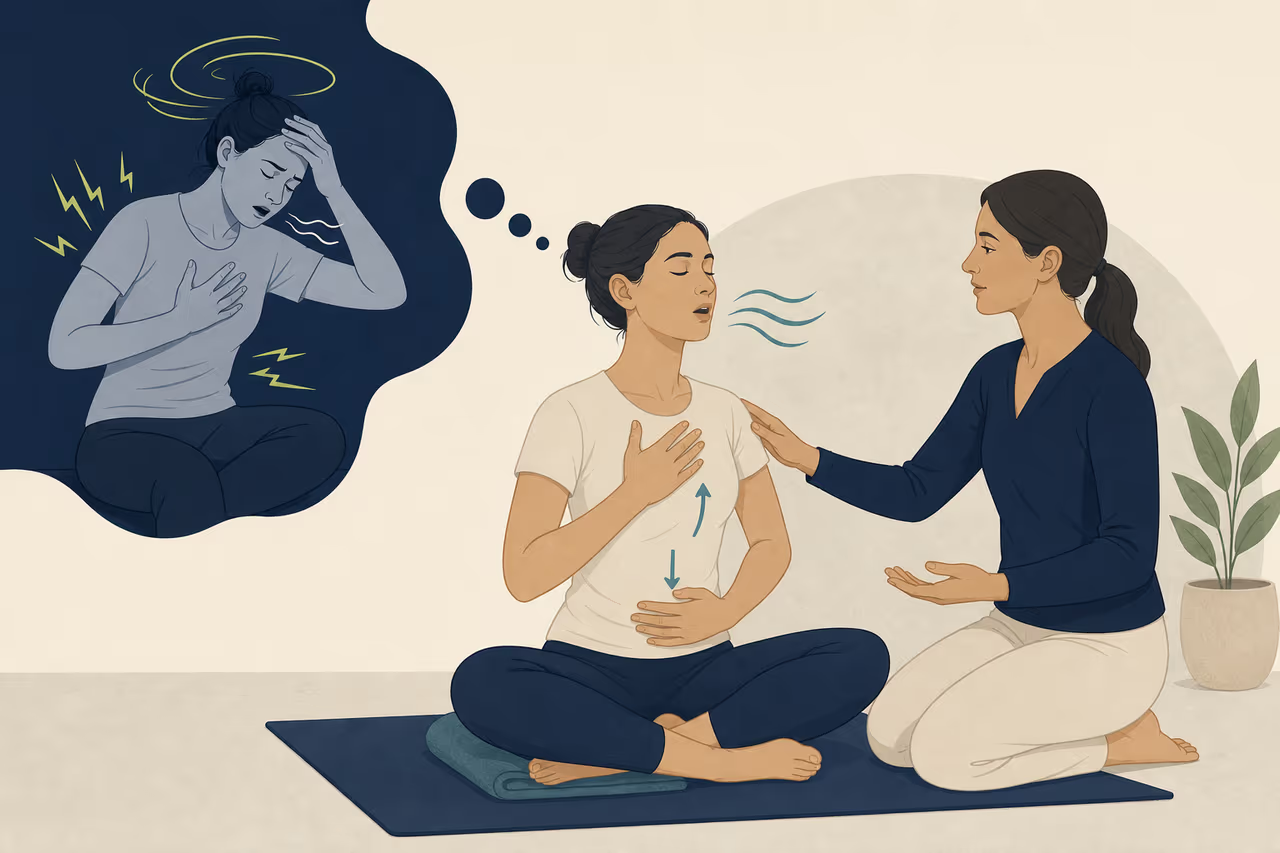
Readers exploring breathwork often encounter intense, dynamic, or forceful breathing exercises online and wonder why these practices require qualified supervision rather than casual self-experimentation. Forceful breathing techniques, such as rapid inhalations and exhalations or sustained breath retention, rapidly alter physiological rhythms. Because these methods introduce high physical and mental stimulation, attempting them without real-time, responsive feedback can lead to unintended strain, lightheadedness, or anxiety.
Prime Tempr helps readers find trainers who can explain breathing and meditation in context, so an introductory article becomes a starting point rather than a substitute for responsive guidance. Understanding the practical trade-offs, limits, and safety guidelines associated with vigorous breathwork helps you make informed choices before diving into self-guided routines.
What is Forceful Breathing in Yoga and Meditation?
Forceful breathing encompasses various traditional and modern techniques where the pace, volume, or force of respiration is intentionally amplified far beyond resting patterns. Unlike calm diaphragmatic breathing, which anchors awareness and supports everyday relaxation, vigorous practices aim to generate internal heat, stimulate energy, or alter sensory perception.
However, assuming that higher intensity automatically equals deeper progress or faster healing is a common failure mode. Pushing through dizziness, muscle tension, or emotional discomfort in pursuit of a breakthrough often compromises safety. A structured, trainer-led environment provides the watchful eye needed to recognize when an exercise is counterproductive for your current physical and mental state.
The Evidence: Why Outcomes and Experiences Vary
When evaluating breathwork and mindfulness, it is helpful to look at institutional findings regarding their broader category. Meditation practices vary; evidence is mixed by outcome, and a minority of participants report negative experiences.
This variability underscores why personal experimentation with intense techniques carries hidden risks. What feels invigorating to one person may trigger acute stress, dissociation, or physical discomfort in another. Without an instructor to observe subtle shifts in posture, breathing mechanics, or facial tension, practitioners may struggle to identify when a technique is no longer serving them.
| Practice Category | Common Intent | Evidence & Safety Consideration |
|---|---|---|
| Standard Diaphragmatic Breathing | Calm the nervous system and encourage gentle daily awareness. | Generally accessible; useful as a foundation for stress reduction. |
| Vigorous or Forceful Breathwork | Stimulate internal energy, alter breathing pace, or build heat. | Mixed outcomes; requires individual adaptation and careful monitoring. |
| Progressive Relaxation & Imagery | Ease muscle tension and support mental downtime. | Supportive for wellbeing, but not a replacement for medical care. |
Why Complementary Approaches Have Clear Limits
It is equally essential to understand the boundaries of breath-based practices. Relaxation approaches include breathing, guided imagery and progressive relaxation; they should not replace conventional care.
While breathwork can be a powerful tool for self-exploration and stress management, it is not a medical treatment or a cure for underlying health conditions. Treating self-guided online videos or intense breathwork routines as a substitute for professional healthcare or individualized instruction can delay necessary interventions for physical or psychological concerns.
Breathwork Readiness Checklist
Before engaging in any new or vigorous breathing practice, consider working through this quick checklist to evaluate your approach:
- Check whether your current breathing practice leaves you relaxed or strained.
- Confirm that relaxation and breath approaches are used to complement, not replace, conventional care.
- Identify whether you have access to a qualified trainer who can provide real-time feedback.
- Establish a clear stop rule for any practice that triggers discomfort or anxiety.
If you ever feel lightheaded, anxious, or tense during any breathing exercise, pause immediately, return to normal natural breathing, and consult a qualified professional before resuming intense practices. Structured, trainer-led breathwork requires more time and financial investment than anonymous online clips, but guidance significantly reduces the likelihood of unmonitored strain and helps you integrate these practices safely.
To continue exploring supportive movement and mindfulness practices, you can learn more about Diaphragmatic Breathing Explained: What to Expect and How to Practice Safely, browse related topics in Breathwork & Meditation, or Find guided breath and meditation support through verified professional networks.
Sources
Watch alongside this guide
Breathing meditation
This short guided meditation lets you follow the basic attention and breathing ideas described in the article. Source: UCLA Health. This optional video is context, not evidence or personal instruction.
The YouTube player stays unloaded until you choose to watch. Loading it connects to YouTube and may allow that service to process usage data.