When the Air Is Unsafe: A Practical Guide to Indoor Movement
Maintain your movement routine safely by pivoting to low-intensity indoor practices when local air quality is poor.
https://primetempr.com/blog/when-the-air-is-unsafe-a-practical-guide-to-indoor-movement
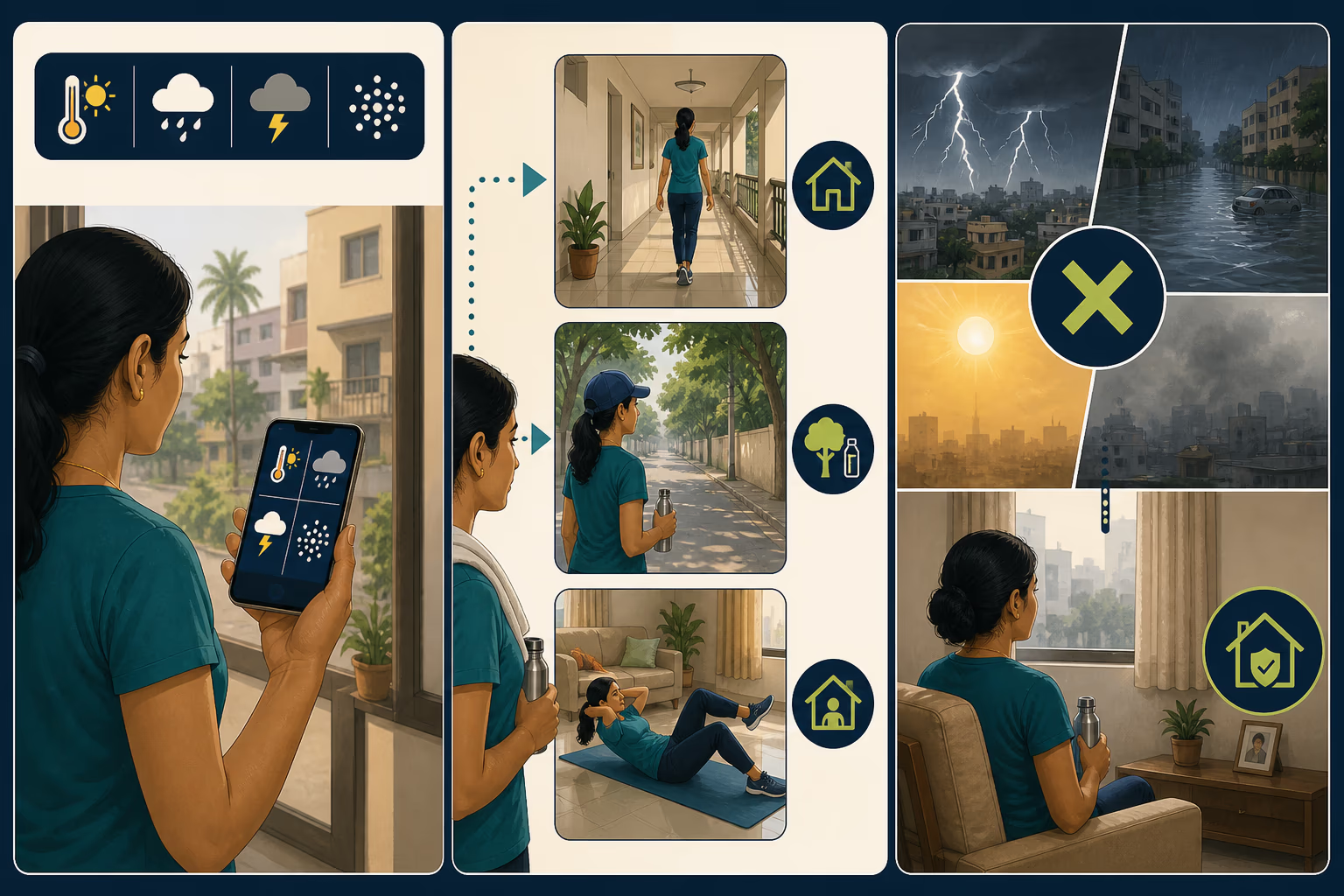
When air quality reaches levels that make outdoor exercise unsafe, the most effective strategy is to pivot to a low-intensity indoor practice rather than forcing an outdoor session or abandoning movement entirely. Your health depends on your ability to adapt to environmental conditions, and choosing to move indoors is a sign of a sustainable, long-term approach to fitness rather than a failure of discipline.
Assess the conditions first
Before you decide on your movement plan for the day, check the current air quality index (AQI) in your area. India's National Disaster Management Authority publishes current public-safety guidance for seasonal hazards, which is a reliable baseline for making decisions about when to stay indoors.
Do not rely on how the air looks or smells. Pollutants are often invisible, and exercising outdoors when AQI levels are high can lead to respiratory irritation and other health risks. If the official guidance suggests limiting outdoor exposure, treat that advice as a firm boundary. There is no benefit to "pushing through" poor air quality by wearing a mask or attempting to exert yourself in hazardous conditions. These actions do not negate the health risks of inhaling pollutants during increased physical exertion.
The case for the indoor pivot
Physical activity can happen in many settings and can be adapted to ability, weather, and circumstance; any amount is better than none. When you cannot go for your usual walk, run, or cycle, shifting your movement indoors keeps your routine alive without compromising your respiratory health.
Many people feel a sense of guilt or frustration when they cannot complete their planned outdoor workout. It is helpful to reframe this disruption. A rigid routine that ignores environmental reality is fragile. A routine that incorporates a pivot to indoor movement is resilient. By moving your practice inside, you maintain the habit of daily movement while respecting the limitations of your local environment.
Simple indoor movement strategies
You do not need a gym or specialized equipment to maintain your activity levels indoors. Even in smaller living spaces, you can clear a 2x2 meter area to perform effective, low-intensity movements.
- Focus on mobility: Use this time to work on joint health, stretching, or gentle yoga sequences that do not require high-intensity cardiovascular output.
- Prioritize consistency over intensity: The goal is to keep your body moving, not to replicate the exact calorie burn of an outdoor run. A 10-minute session of mindful movement is a success.
- Manage your space: If you live in a multigenerational household, choose a time or a corner of the house that allows you to move without disruption. If the air quality is poor, ensure your indoor space is well-ventilated if the outdoor air allows, or use an air purifier if one is available.
Avoid the temptation to over-complicate your indoor movement. You do not need to purchase new gear or follow complex online programs that do not fit your home environment. Stick to movements that you know and that feel safe for your body.
Finding support for your routine
If you find that your routine is frequently interrupted by changing weather or poor air quality, you may benefit from professional guidance. Prime Tempr helps readers find nearby and online trainers whose schedules, spaces, and practice formats fit local climate and seasonal routines.
Working with a trainer can help you build a modular routine,one that has an "outdoor version" for clear days and an "indoor version" for days when the air quality is poor. This allows for seamless transitions and removes the guesswork from your daily planning. You can Find flexible local support through our platform to connect with professionals who understand the constraints of your local environment.
If you are looking for more ways to stay active during seasonal disruptions, you might also find it useful to read about How to Keep Moving When the Monsoon Cancels Your Walk.
Your air-quality pivot plan
Use this checklist to maintain your movement habit when the air quality is poor:
- Check local air quality index (AQI): Do this before you step out or plan your workout.
- Clear your space: If AQI is poor, clear a 2x2 meter space in your home.
- Select your routine: Choose a 10-minute indoor mobility or yoga sequence.
- Scale as needed: If you feel fatigued or if the indoor air quality is also a concern, reduce the intensity further or prioritize simple breathing exercises and rest.
Safety note: If you feel dizzy, short of breath, or experience chest discomfort during any indoor movement, stop immediately. If you have underlying respiratory conditions, consult with your healthcare provider about appropriate activity levels during high-pollution days. Static guidance cannot account for your specific health history; always prioritize your well-being over the completion of a workout.
Watch alongside this guide
Just walk
This short walking overview is a visual reminder that useful activity can stay simple. Apply the article's local weather, air-quality and public-safety checks first.
The YouTube player stays unloaded until you choose to watch. Loading it connects to YouTube and may allow that service to process usage data.