What to Wear for Outdoor Yoga in Changing Weather
Layer flexible clothing and check class formats to stay comfortable through outdoor temperature shifts without buying specialty gear.
https://primetempr.com/blog/what-to-wear-for-outdoor-yoga-in-changing-weather
Dressing for outdoor yoga in changing weather means layering flexibly so you can adapt as temperature and activity levels shift, without buying an entirely new wardrobe. Outdoor practice exposes participants to unpredictable wind, temperature drops, or rising sun. These shifts make it hard to stay comfortable without overheating during dynamic sequences or freezing during final relaxation.
Yoga styles and physical demands vary widely. Appropriate modification and qualified instruction can reduce avoidable risk, and your clothing choice should support that safe, comfortable participation rather than create a barrier to beginning. You do not need expensive weather-specific technical brands to practice outdoors. Instead, you can rely on sensible clothing combinations you likely already own.
The Core Principle of Outdoor Yoga Layers
The primary challenge of outdoor movement is managing your body temperature as you transition from active poses to stillness. A single heavy sweater traps sweat, restricts movement, and leaves you damp when the wind picks up. Conversely, a light t-shirt leaves you vulnerable when clouds roll in or the sun sets mid-class.
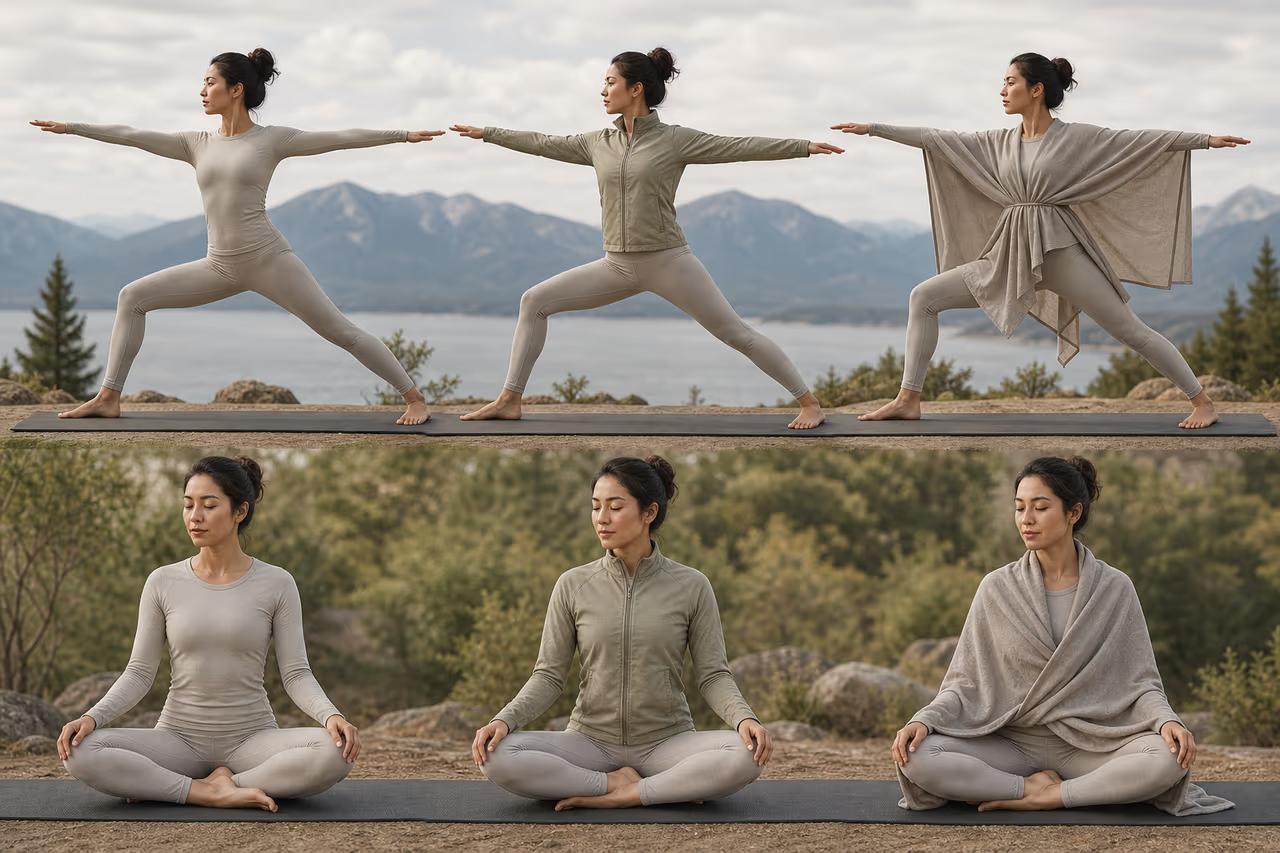
Flexible layering solves this problem. By combining a breathable base layer with an easy-to-remove outer garment, you can peel off or add pieces in seconds. Activity can take many forms and settings, so clothing and equipment should support safe, comfortable participation rather than create a barrier to beginning. Working with what is already in your closet keeps the barrier to entry low while giving you total control over your climate.
Balancing Movement and Climate Control
Physical demands change throughout a single session. Standing balances and flowing sequences raise your heart rate and generate internal heat. Floor stretches and seated meditation lower your output, allowing cool air to reach your skin quickly.
When planning your outfit, consider these practical trade-offs:
- Base layers should be breathable and moisture-wicking to manage sweat during active phases.
- Mid-layers, such as a light zip-up or hoodie, provide quick wind protection and are easy to shed when your practice intensifies.
- Full-length leggings or flexible pants protect your joints from cool grass or pavement, though very loose trousers can sometimes bunch up during inverted poses.
- Socks and extra wraps are worth packing for seated meditation and final relaxation, where body temperature drops rapidly.
If your clothing choice feels too warm or too cold mid-practice, modify your range of motion, take short breaks to adjust your layers, or check in with your instructor about upcoming intensity shifts.
Checking Class Format and Studio Guidance
Before heading to an outdoor park, rooftop, or beach class, take time to verify the environment. Checking studio guidelines takes extra time before class, but it saves you from unexpected weather discomfort and ensures you bring the right accessories.
Prime Tempr helps readers compare class formats and contact teachers or studios about what is provided, what to bring and which options suit the actual setting. Reach out to your instructor to ask about shade coverage, wind exposure, ground conditions, and whether props like mats or blankets are supplied. This simple step bridges the gap between indoor habits and outdoor realities.
Outdoor Yoga Layering Checklist
Use this practical checklist to prepare for your next outdoor session using items you already own:
- Breathable base layer: A cotton or synthetic t-shirt or tank top that moves with your torso.
- Easy-to-remove mid-layer: A light zip-up jacket, fleece, or hoodie for wind protection or shady spots.
- Flexible lower body wear: Stretch leggings or joggers that accommodate deep bends without slipping or bunching.
- Resting accessories: A pair of socks and a light wrap or scarf kept nearby for final relaxation or seated meditation.
- Studio verification: A quick message to your teacher or studio to confirm setting specifics, ground type, and provided props.
Continue with guidance
Use this article as orientation, then What to Wear for Hot Yoga Without Overbuying when you want responsive guidance or a practice format matched to you.
Sources
Watch alongside this guide
How to use yoga blocks
See several practical block options before deciding which props, if any, make the article's practice more comfortable. Source: Stephanie Tencer, Iyengar Yoga. This optional video is context, not evidence or personal instruction.
The YouTube player stays unloaded until you choose to watch. Loading it connects to YouTube and may allow that service to process usage data.