What to Wear for Hot Yoga Without Overbuying
Build a practical hot yoga outfit using garments you already own so you can avoid unnecessary clothing purchases.
https://primetempr.com/blog/what-to-wear-for-hot-yoga-without-overbuying
You do not need a specialized, expensive hot yoga wardrobe to begin; breathable, moisture-managing clothes you already own or can easily source are usually enough. Feeling pressured to buy specialized or high-priced garments before your first heated class is common, but clothing should support safe, comfortable participation rather than create a financial barrier to beginning.
Yoga styles and physical demands vary; appropriate modification and qualified instruction can reduce avoidable risk. Because studio temperatures and personal sweat rates differ significantly, understanding your fabric choices and checking with your venue helps you avoid buying items you do not need.
The Core Rule: Comfort and Safety Over Brand Names
Activity can take many forms and settings, so clothing and equipment should support safe, comfortable participation rather than create a barrier to beginning. You do not require high-priced brand names or designer hot yoga shorts to maintain stability or focus in a heated room.
The primary physical challenge in a room heated to 90 or 105 degrees Fahrenheit is managing sweat and body temperature. When clothes trap moisture heavily against the skin, they cause chafing, restrict movement, and increase discomfort as you transition between postures. Focus instead on garments that stay in place during downward facing dog, warrior poses, and seated balancing work without demanding constant adjustment.
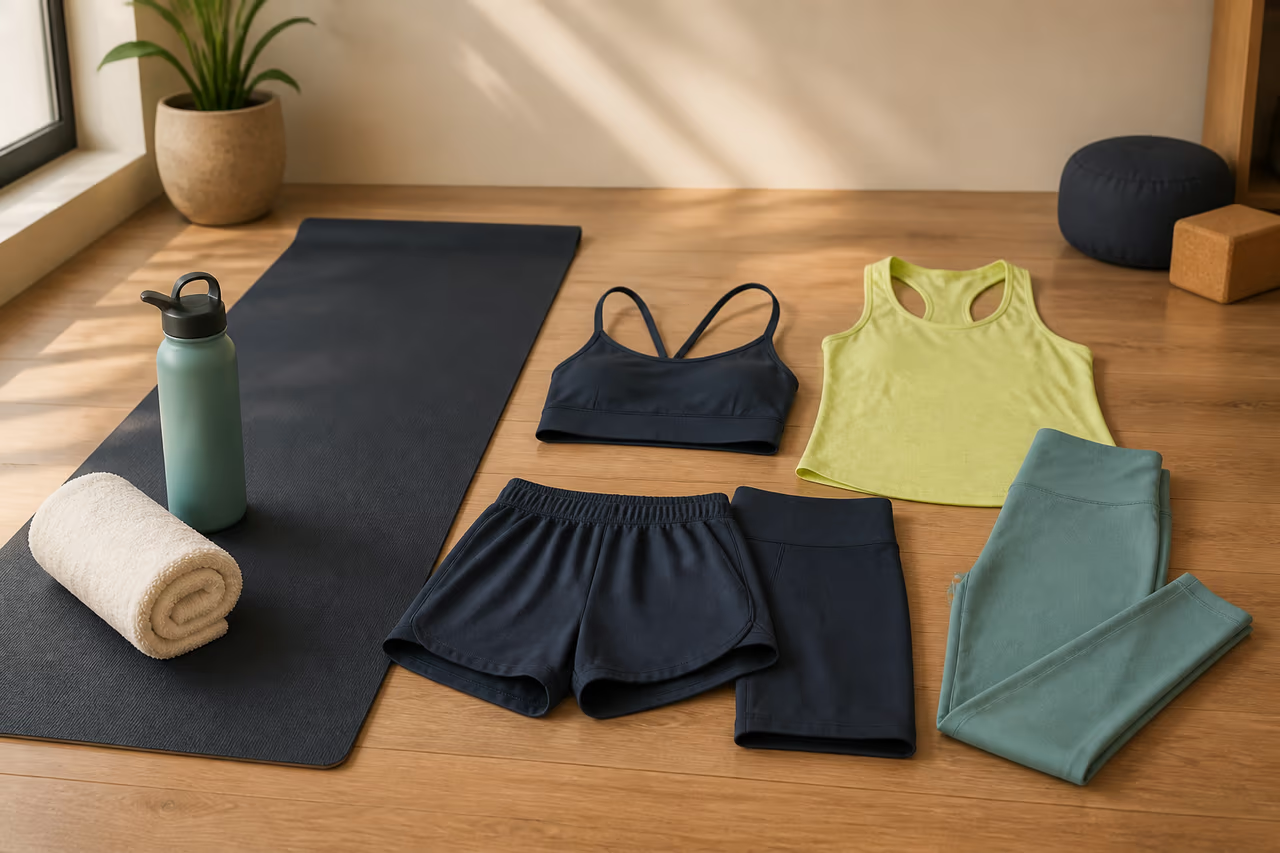
Fabrics That Work in High Heat
Before spending money on a new synthetic wardrobe, audit the athletic clothes sitting in your current drawers. Not all fabrics perform equally under high heat and heavy perspiration.
| Fabric Type | Performance in Heat | Practical Trade-offs |
|---|---|---|
| Heavy Cotton | Absorbs moisture rapidly, becomes water-logged, and clings to skin. | Inexpensive and soft, but causes chafing and retains heavy sweat in hot rooms. |
| Technical Synthetics (Polyester/Nylon blends) | Wicks sweat away from the skin and dries quickly. | Manages heat well, but can be more expensive and may retain odors if not washed promptly. |
| Lightweight Bamboo or Modal Blends | Breathable and soft with moderate moisture movement. | Comfortable for gentle movement, but can become slippery or heavy in extremely humid rooms. |
Standard cotton garments become heavy and water-logged in high heat, but synthetic technical fabrics can be more expensive. If you already own polyester or athletic spandex blends from running, cycling, or general gym workouts, those pieces will work well for your first few heated classes.
What to Check With Your Studio Before Buying
Prime Tempr helps readers compare class formats and contact teachers or studios about what is provided, what to bring and which options suit the actual setting. Before purchasing new gear, take a few minutes to connect directly with your studio or instructor.
Ask the following questions before your first visit:
- How hot and humid is the practice room kept?
- Do you rent or require specific mats, or can I bring my own standard mat?
- Are large sweat towels provided, or should I bring two of my own to cover my mat and wipe down?
- Is there secure changing space and water refill availability?
Studio policies vary. Some rooms are moderately warm, while others utilize infrared panels that intensify radiant heat. Knowing these details prevents you from buying heavy-duty grip towels or specialized grip gloves before you understand your personal sliding tendencies in that specific environment.
Hot Yoga Wardrobe Audit and Studio Check
Use this step-by-step checklist to prepare for your first heated class without unnecessary spending:
- Audit your current drawer: Check your current drawer for breathable, moisture-wicking synthetic or blended athletic tops and shorts.
- Sort out heavy cotton: Set aside 100% heavy cotton items that hold moisture, stretch out when wet, and cause chafing.
- Contact your studio: Call or message your studio or teacher to ask about room temperature, mat rental policies, and towel requirements.
- Test before buying: Borrow or reuse items for your first two to three classes before purchasing any new gear.
- Manage wash cycles: Minimalist wardrobes save money, but may require more frequent washing if you practice multiple times a week.
Next Steps for Your Practice
Once you complete a couple of classes using basic athletic wear, you will have a realistic sense of what fits your body and tolerates the heat. If you decide to add specialized pieces later, you can buy intentionally rather than guessing beforehand.
Explore beginner-friendly practice options to find studio environments that match your current comfort level, or review guidelines on Practice Clothing & Props to understand how different layers perform across various class formats.
Sources
- Yoga: Effectiveness and Safety | https://www.nccih.nih.gov/health/yoga-effectiveness-and-safety (opens in a new tab)
- Physical activity | https://www.who.int/news-room/fact-sheets/detail/physical-activity (opens in a new tab)
Watch alongside this guide
How to use yoga blocks
See several practical block options before deciding which props, if any, make the article's practice more comfortable. Source: Stephanie Tencer, Iyengar Yoga. This optional video is context, not evidence or personal instruction.
The YouTube player stays unloaded until you choose to watch. Loading it connects to YouTube and may allow that service to process usage data.