Understanding Standing Yoga Classes
Learn how standing yoga classes function, how to assess your mobility needs, and why instructor communication ensures safety.
https://primetempr.com/blog/what-to-expect-from-a-standing-yoga-class
Standing yoga classes focus on balance, strength, and mobility while keeping the body upright. The experience varies by instructor and practice style. Because yoga styles and physical demands differ, qualified instruction and appropriate modification reduce avoidable risk.
It is a common misconception that all "standing" classes are inherently gentle or low-impact. Some sessions are designed for high intensity, focusing on endurance and deep muscle engagement, while others prioritize steady, controlled movements to improve stability. Before booking a session, the most important step is to confirm the specific accessibility details of the class with the trainer.
What is a standing yoga class?
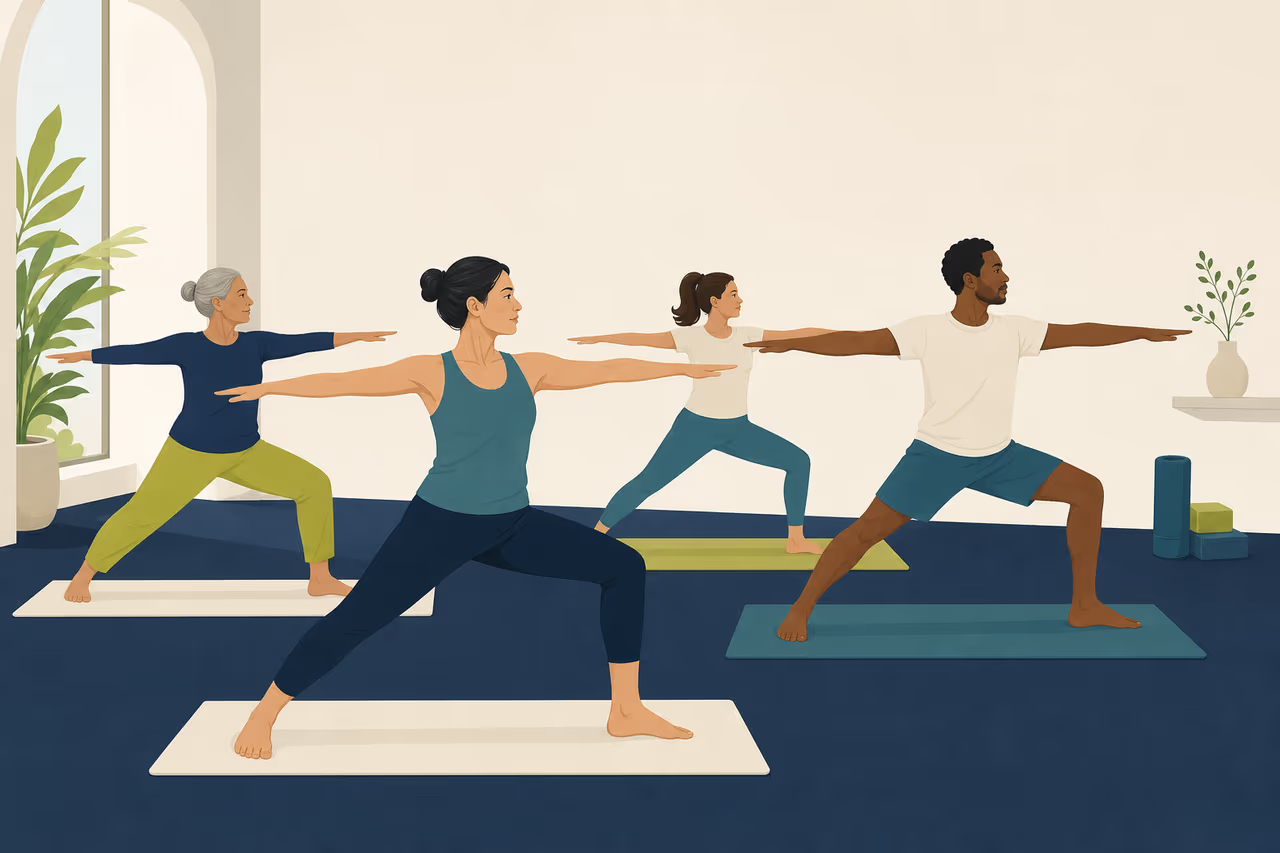
A standing yoga class involves movements, poses, and sequences performed while upright rather than on a floor mat. You may use a mat for grip or to define your space, but the focus remains on weight-bearing movements.
In these classes, you can expect to practice:
- Weight-bearing poses: Movements that challenge your muscles to support your body weight against gravity.
- Balance work: Poses that require shifting weight from one leg to another or holding a position on a single leg.
- Dynamic movement: Transitions between poses that keep your heart rate elevated or require coordination.
Be sure to note that "standing" does not mean "stationary." Depending on the class, you may be moving frequently, stepping forward and back, or holding poses for extended periods.
Why choose a standing format?
The appeal of a standing class lies in its functional benefits. Older adults and individuals maintaining long-term mobility benefit from a weekly mix of aerobic, muscle-strengthening, and balance activity matched to their abilities.
Standing yoga can help:
- Improve balance: By practicing weight shifts and single-leg stability, you train your body to react to shifts in your center of gravity.
- Build functional strength: Because you are working against gravity in an upright position, you engage the muscles used in daily activities like walking, climbing stairs, and standing up from a chair.
- Increase mobility: Moving through a full range of motion while standing can help maintain joint health and flexibility in the hips, ankles, and spine.
Assessing your needs and class fit
Before attending a class, be honest about your current mobility and fitness level. Difficulties often arise when students assume a class will be "gentle" simply because it is yoga. If you have concerns about your balance or joint health, it is vital to verify the intensity of the class before you arrive.
If a class feels too intense or inaccessible once you are there, do not feel pressured to "keep up." The most effective recovery path is to communicate with the instructor immediately. Ask for modifications, or if the class format is fundamentally not a match for your needs, consider looking for a different style, such as Chair Yoga for Beginners: A Practical Guide, which offers a more supported entry point.
How to confirm accessibility before you go
You do not need to guess if a class is right for you. Prime Tempr’s trainer and location profiles allow you to compare formats and locations, then contact a business to confirm the accessibility details that matter to you.
When evaluating a class, check for information regarding the use of props. A well-equipped studio provides blocks, straps, or chairs to help you maintain balance or reach the floor safely.
Pre-Class Accessibility Checklist
Use this checklist to confirm you have the necessary information before booking:
- Verify prop availability: Confirm if the studio provides blocks, straps, or chairs for support.
- Ask the right questions: Email or call the studio to ask: "Are modifications provided for balance challenges?"
- Communicate your needs: Identify one or two specific questions about your mobility needs to ask the teacher before the class starts.
- Choose your location: Find an accessible class near you that aligns with your requirements.
Trade-offs to consider
Approach standing yoga with a clear understanding of its limits:
- Balance requirements: Standing classes inherently require more balance than floor-based classes. If you are currently working on your stability, ensure the class allows for the use of a wall or a chair for support.
- Intensity variance: A "standing" label is not a guarantee of low intensity. Always check the specific class description.
- Communication is required: You are the best advocate for your own body. If a studio or trainer does not provide clear information on accessibility, it is a sign that you should reach out directly to confirm they can support your needs before you commit to a session.
Research and communication help you find a practice that supports your goals without assuming unnecessary risk. Yoga is a personal practice, and successful students prioritize their own safety and comfort over external expectations.
Sources
- Yoga: Effectiveness and Safety (opens in a new tab), National Center for Complementary and Integrative Health.
- Older Adult Activity: An Overview (opens in a new tab), Centers for Disease Control and Prevention.
Watch alongside this guide
Accessible yoga for every body
This class demonstrates chair and support options that make the article's accessibility principles easier to see in practice. Source: Vancouver Coastal Health. This optional video is context, not evidence or personal instruction.
The YouTube player stays unloaded until you choose to watch. Loading it connects to YouTube and may allow that service to process usage data.