What Is Yoga Nidra? Structure, Rest, and Practical Trade-Offs
Learn what Yoga Nidra is, how guided rest works, and its practical limits alongside movement and wellbeing routines.
https://primetempr.com/blog/what-is-yoga-nidra-structure-rest-and-practical-trade-offs
Yoga Nidra is a structured guided practice focused on deep rest and conscious relaxation, functioning as a complement rather than a replacement for active movement or clinical sleep treatments.
Unlike dynamic physical practices that build strength and flexibility through active postures, Yoga Nidra is typically practiced lying down while a teacher or audio track guides the mind through systematic stages of body awareness, breath observation, and mental visualization. It offers a unique form of rest, and understanding its structure, boundaries, and trade-offs helps set realistic expectations before you begin.
What Is Yoga Nidra?
Yoga Nidra, often translated as "yogic sleep," is a form of guided meditation and conscious relaxation. While definitions and specific lineages vary, the practice generally involves lying still in a comfortable position while listening to an instructor guide your attention through different parts of the body, breath patterns, and sensory experiences.
Because yoga encompasses a wide range of traditions combining postures, breathing, and meditation, styles vary significantly, and individual benefits should be described with uncertainty. Yoga Nidra sits on the passive, meditative end of this spectrum. It does not require physical stretching or muscular exertion, making it accessible to people who find active movement challenging or exhausting. According to guidance from the National Center for Complementary and Integrative Health (NCCIH), yoga combines postures, breathing and meditation; styles vary, benefits should be described with uncertainty, and injuries can occur.
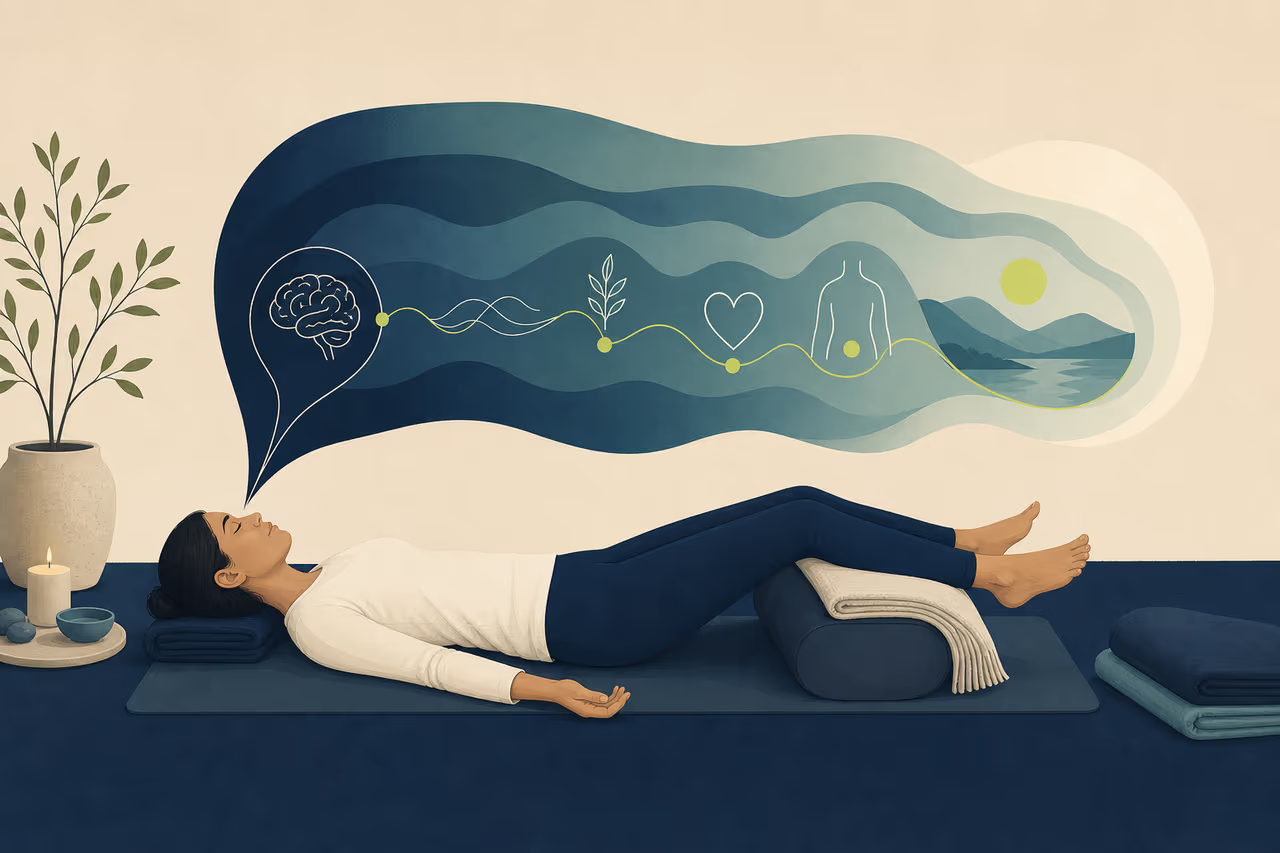
How a Practical Session Is Structured
A standard guided session follows a loose framework designed to transition the mind and body from alertness into a state of deep, conscious relaxation. While individual instructors structure their classes differently, most sessions incorporate several recognizable phases.
- Intention Setting: Listeners are often invited to set a short, positive personal intention or resolve (sankalpa) at the beginning of practice.
- Body Rotation: The guide leads the attention systematically through different physical parts of the body, encouraging tactile awareness without physical movement.
- Breath and Sensation Awareness: Attention shifts to the natural rhythm of breathing or contrasting sensations like warmth and coolness, heaviness and lightness.
- Visualization: The mind engages with guided imagery or peaceful mental landscapes to quiet ordinary analytical thought.
- Integration and Return: The session concludes with a gradual return to external sensory awareness, gentle movement, and sitting up.
A common difficulty for beginners is expecting absolute mental silence or fighting off sleep entirely. Falling asleep during a session is very common. While drifting off means missing the active guidance, light rest still occurs. If you fall asleep, treat the practice as low-pressure rest without judging the outcome.
Practical Trade-Offs and Limits
While conscious relaxation provides a valuable pause in a busy day, Be sure to acknowledge what Yoga Nidra cannot do.
| Feature | Yoga Nidra | Active Physical Exercise |
|---|---|---|
| Primary Focus | Guided rest, mental quiet, and relaxation | Mobility, muscular strength, and cardiovascular health |
| Physical Effort | Passive (typically lying flat on the back) | Active movement and exertion |
| Health Role | Complements daily recovery and self-care | Contributes directly to physical fitness and longevity |
Global health guidelines emphasize that any amount of physical activity is better than none, all activity counts, and people should limit sedentary time. As highlighted by the World Health Organization (WHO) physical activity guidelines, any amount of physical activity is better than none, all activity counts, and people should limit sedentary time. Passive relaxation practices like Yoga Nidra do not build muscular strength or cardiovascular endurance, nor should they replace active movement. Guided relaxation is not an instantaneous cure for chronic sleep disorders, clinical anxiety, or medical conditions. If you deal with persistent health concerns, professional medical care remains essential.
Your First Yoga Nidra Setup Checklist
If you want to try a guided session, a few simple preparations can make the experience more comfortable and effective.
- Find a quiet room where you can lie down flat on your back or comfortably supported.
- Use a blanket or cushion to keep your body warm, as body temperature drops during deep rest.
- Select a reliable audio guide or find a local teacher-led session.
- Commit to following the voice instructions without forcing absolute stillness.
- Allow a few minutes to transition slowly back to active movement afterward.
Finding Local Classes and Qualified Guidance
Exploring styles through articles is a helpful first step, but experiencing a practice live offers distinct benefits. If you want to move beyond self-guided audio tracks, finding an experienced local teacher or studio can help you explore different meditative and movement traditions safely.
Prime Tempr lets readers compare trainers and yoga businesses by profile, location, and offering, so style research can lead to a better-fit real class rather than a generic recommendation. Whether you look for restorative evening classes, breathwork instruction, or active physical styles, reviewing local offerings helps connect your personal wellbeing goals with qualified local guidance.
Continue with guidance
Use this article as orientation, then Yin or Restorative Yoga? Ask whether you want sensation or support when you want responsive guidance or a practice format matched to you.
Sources
Watch alongside this guide
A beginner Yin yoga practice
This slower practice gives you a concrete style example to compare with the goals and class formats in the guide. Source: Yoga with Kassandra. This optional video is context, not evidence or personal instruction.
The YouTube player stays unloaded until you choose to watch. Loading it connects to YouTube and may allow that service to process usage data.