What Ayurveda Is and Where It Comes From: Origins and Safety Boundaries
Understand the historical origins of Ayurveda, the limits of current clinical evidence, and safety boundaries for informed modern self-care.
https://primetempr.com/blog/what-ayurveda-is-and-where-it-comes-from-origins-and-safety-
Ayurveda is a traditional Indian medical system whose historical frameworks require careful cultural context, clear safety boundaries, and coordination with modern professional healthcare. Curious readers often encounter dense traditional concepts mixed with unverified health claims or commercial product pitches without knowing how to evaluate them safely. When exploring historical wellness traditions, separating cultural heritage from clinical treatment prevents misleading health assumptions and protects personal well-being.
Defining Ayurveda and Its Origins
Ayurveda is a traditional Indian medical system with ancient roots rooted in the cultural and philosophical traditions of the Indian subcontinent. Historically, it developed as a comprehensive approach to health, daily routine, diet, and herbal knowledge. Traditional texts categorized bodily constitutions, seasonal routines, and herbal preparations to maintain balance and address physical ailments.
While these historical frameworks offer deep cultural insight, they stem from an era that predates modern scientific methodology. Understanding where Ayurveda comes from requires respecting its historical environment while acknowledging that its traditional explanations do not always align with contemporary clinical science. Prime Tempr helps readers discover teachers who can explain traditional context while the learning library keeps cultural education separate from diagnosis, treatment and product claims.
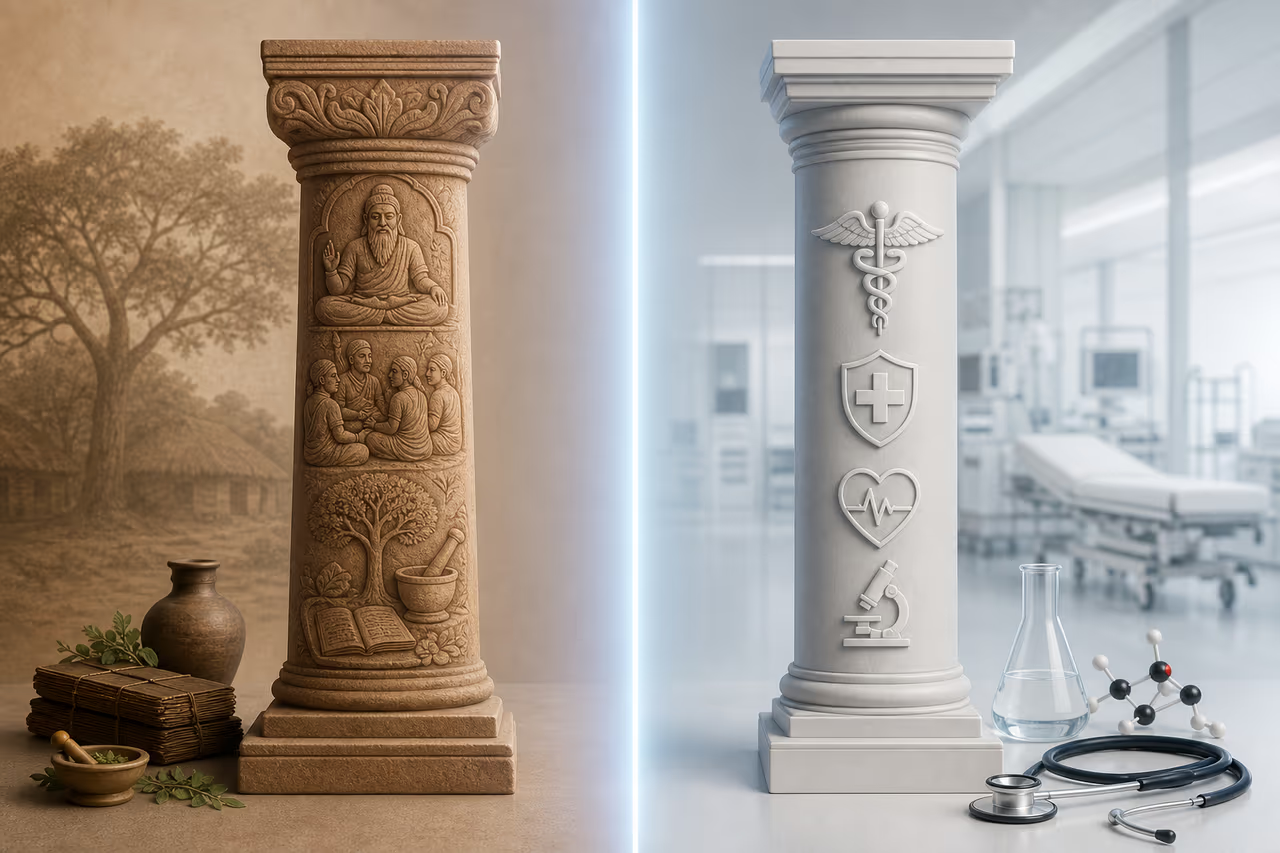
Evidence and Modern Health Boundaries
Scientific evaluation of traditional practices reveals that evidence for many specific health uses of Ayurveda is limited. While laboratories study various traditional herbs and lifestyle regimens, many claims lack robust clinical trials or standardized validation. This gap between historical tradition and modern research creates a notable trade-off. Traditional philosophical frameworks offer rich cultural and historical value, but they should not be treated as proven medical interventions for specific diseases.
Coordinating care with a qualified health professional remains essential when integrating any traditional practice into a modern lifestyle. Self-care information should support informed choices and should not be used to delay appropriate professional care. Relying solely on traditional diagnostic frameworks, such as dosha tests, to manage clinical conditions can lead to delayed diagnoses and missed medical treatments.
Safety Considerations for Products and Self-Care
Safety precautions are particularly important when engaging with herbal preparations and commercial wellness products. Some traditional remedies and herbal supplements may contain harmful metals or active ingredients that interact with prescription medications or pose toxicity risks. Assuming that natural herbal products are automatically free of side effects or heavy metal contamination is a common and hazardous failure mode.
Before introducing new supplements, heavy herbal regimens, or alternative therapies into a daily routine, individuals must verify product safety and consult a medical professional. Self-care should complement, rather than substitute for, evidence-based medicine.
Ayurveda Exploration Safety Checklist
Use this decision guide to navigate traditional education while maintaining clinical safety boundaries:
- Distinguish between traditional educational exploration and medical diagnosis. Use study resources to learn cultural history, not to assess symptoms.
- Verify product safety. Ensure any herbal or mineral preparations are checked for safety, purity, and heavy metal contamination.
- Consult a qualified healthcare professional. Discuss any new health routines or dietary supplements with a licensed medical practitioner before starting.
- Explore qualified guides. Look for knowledgeable educators who maintain clear boundaries between cultural philosophy and medical treatment. You can Find a yoga teacher who respects traditional roots without crossing into clinical advice, read more in Ayurveda Foundations, or review Questions to Ask an Ayurvedic Practitioner: A Safety and Context Guide.
A Proportionate Next Step
Navigating traditional wellness systems successfully involves balancing curiosity with critical thinking. By respecting the cultural origins of Ayurveda while maintaining strict safety boundaries around health claims, readers can appreciate historical wisdom without compromising modern medical care. Choose one small, safe action today, such as reading historical background from reputable cultural sources or discussing a wellness goal with your primary care provider.
Sources
- Ayurvedic Medicine: In Depth (opens in a new tab), National Center for Complementary and Integrative Health (NCCIH).
- Self-care for health and well-being (opens in a new tab), World Health Organization (WHO).
Watch alongside this guide
Herbs at a glance: how to check safety
This official safety resource supports the article's boundary between traditional context and medical or product claims. Source: National Center for Complementary and Integrative Health. This optional video is context, not evidence or personal instruction.
The YouTube player stays unloaded until you choose to watch. Loading it connects to YouTube and may allow that service to process usage data.