What a Peak Pose Yoga Class Means: A Clear Guide
Learn how peak pose yoga classes are structured and how to practice safely without chasing advanced shapes.
https://primetempr.com/blog/what-a-peak-pose-yoga-class-means-a-clear-guide
A peak pose yoga class is structured around one more complex or demanding posture, using preliminary movement and breathwork to prepare the body, though styles and safety considerations vary. When you encounter unfamiliar terminology on a studio schedule or online video description, knowing what the structure entails helps. Rather than moving through random postures, the instructor builds every phase of the session toward a specific physical objective, such as a deep backbend, an arm balance, or an advanced inversion.
However, styles vary widely, and benefits should always be described with uncertainty. Not every class uses this method, and understanding how these sessions operate can help you decide whether they suit your current movement goals. For more foundational language breakdowns, you can explore resources like Yoga Language & Class Cues.
How a Peak Pose Class Is Structured
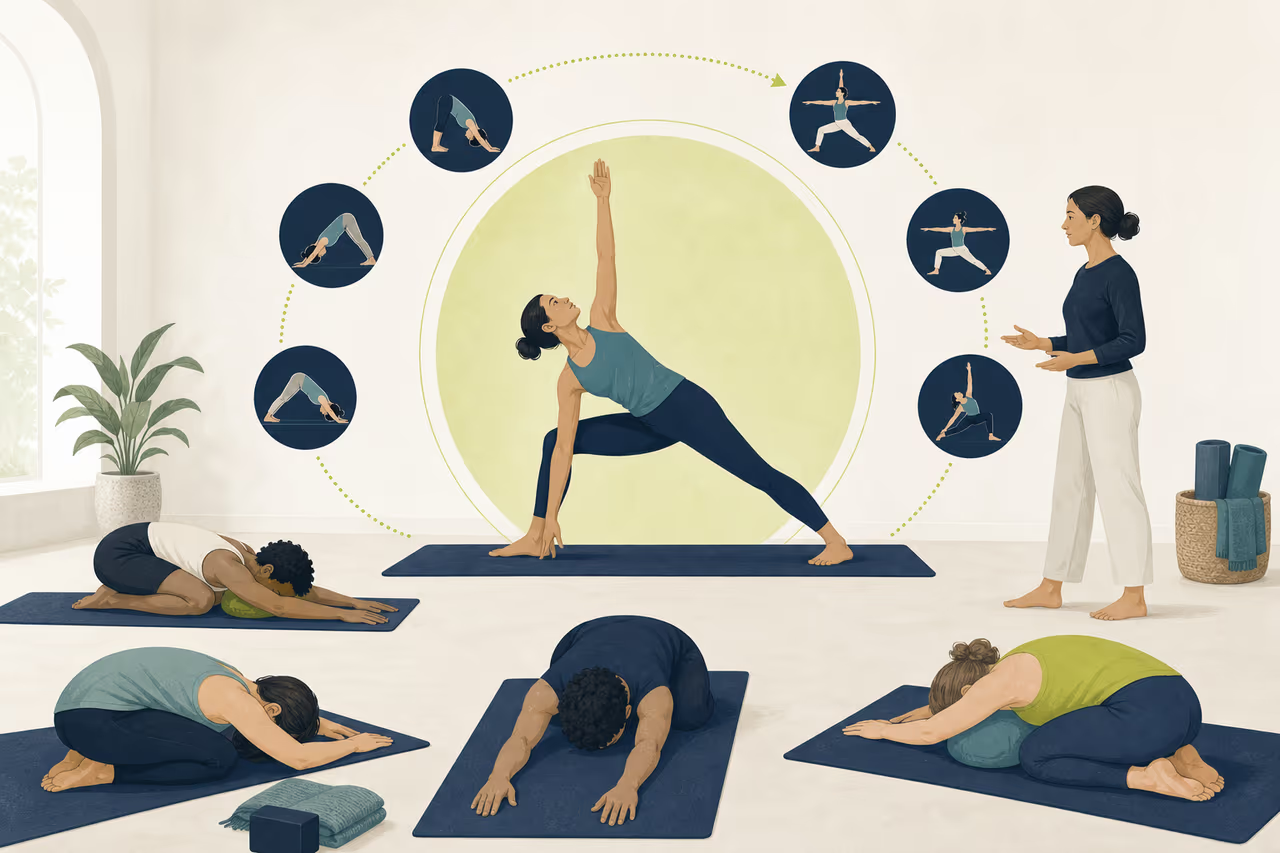
A typical peak pose sequence follows a deliberate trajectory designed to open specific muscle groups, warm up the joints, and prime the nervous system before introducing the primary posture.
- Centering and Warm-Up: The class usually begins with breath awareness and gentle movements to establish focus and increase circulation.
- Preparatory Postures: The instructor introduces targeted stretches and strengthening movements that mimic the biomechanics of the final goal. For instance, if the peak pose requires deep shoulder opening and hamstring flexibility, the earlier sequences will focus heavily on those areas.
- The Peak Posture: The class culminates in the most demanding shape. Teachers often provide multiple variations or entry points so students can engage with the posture at their own capability level.
- Counterposes and Cool-Down: Following the peak, the sequence includes balancing movements to release tension in the spine, hips, or wrists, followed by resting postures like Savasana.
While this architecture provides a logical progression, Remember that yoga combines postures, breathing, and meditation, and styles vary significantly from one teacher to the next.
Safety, Limits, and Managing Expectations
A common failure mode in movement practices is believing that failing to achieve the final peak pose means the session was unsuccessful. In reality, any amount of physical activity is better than none, all activity counts, and people should limit sedentary time. The value of the practice lies in the movement, breath, and exploration throughout the entire session rather than the final shape.
Pushing into painful ranges of motion to match an advanced posture increases the risk of strain. Yoga is not entirely risk-free, and injuries can occur when practitioners override physical feedback in pursuit of a visual goal.
If the peak pose feels inaccessible or uncomfortable, scale back to preparatory variations, focus on steady breathing, and consult a qualified teacher for personalized modifications. Recognizing your body daily baseline remains central to a sustainable movement practice.
Peak Pose Class Preparation Checklist
To help you navigate these classes with confidence, use this practical checklist before and during your next session:
- Review the class style with your instructor to understand the intended intensity.
- Treat preparatory movements as the core practice rather than mere warm-ups.
- Honor your body's current mobility limits instead of forcing a shape.
- Use props or modifications whenever a transition feels unstable.
- Ask your teacher for alternative progressions if the peak pose causes pain.
Next Steps: Practising with Guidance
Static glossaries explain terms, but working with a live teacher is necessary to adapt poses safely to individual bodies. Prime Tempr trainer marketplace lets readers turn unfamiliar yoga language into better questions, then choose guided instruction instead of relying on a static glossary alone.
If you are ready to explore different styles and find qualified professional support, you can Practise with a qualified trainer or Browse yoga programmes tailored to your personal mobility and strength goals.
Sources
- Yoga: Effectiveness and Safety (opens in a new tab), National Center for Complementary and Integrative Health (NCCIH).
- Physical activity (opens in a new tab), World Health Organization (WHO).
Watch alongside this guide
An introductory yoga flow
Watch how spoken cues, breath, and transitions work together, then compare them with the article's guidance. Source: Yoga With Adriene. This optional video is context, not evidence or personal instruction.
The YouTube player stays unloaded until you choose to watch. Loading it connects to YouTube and may allow that service to process usage data.