Walking and Yoga: Building a Sustainable Movement Routine
Combine walking and yoga into one flexible movement practice that supports your health without rigid tracking or burnout.
https://primetempr.com/blog/walking-and-yoga-building-a-sustainable-movement-routine
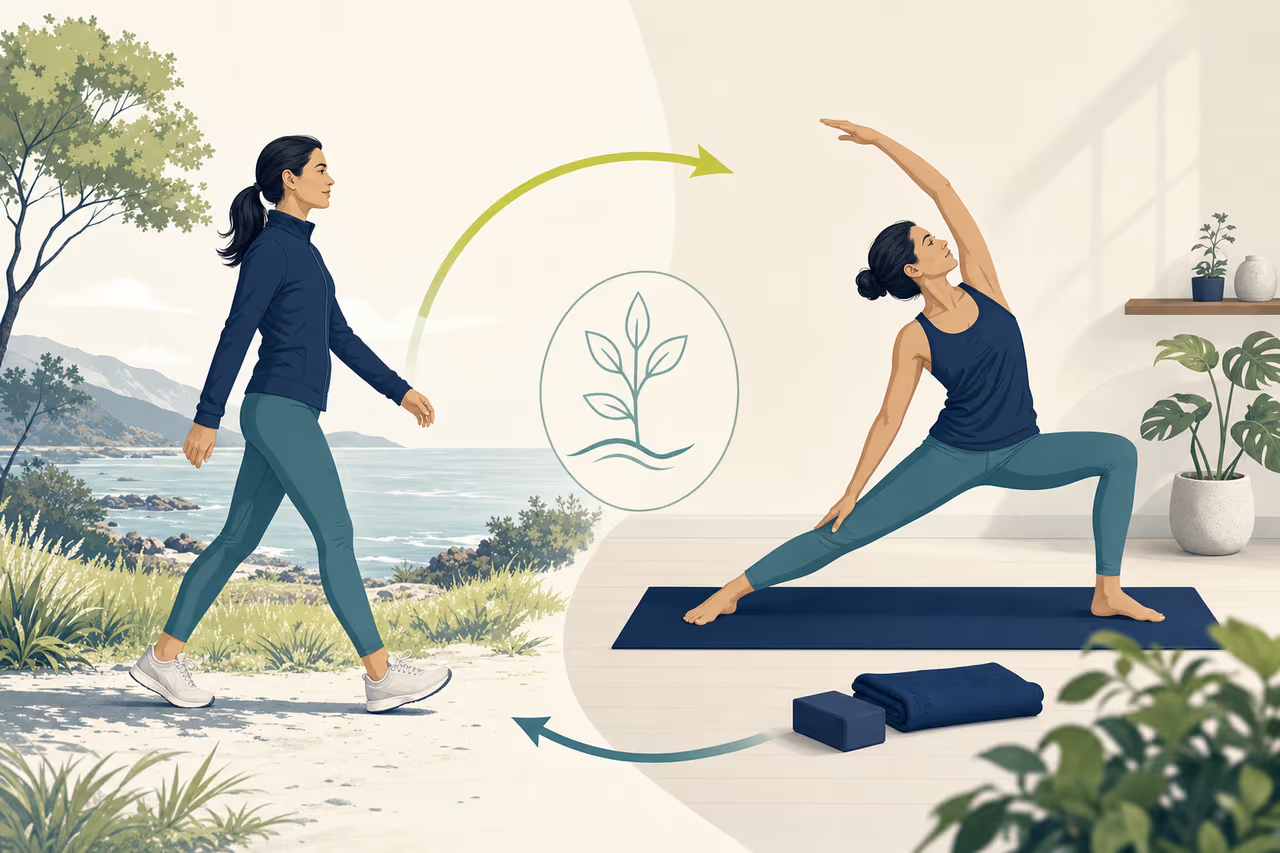
The most sustainable way to combine walking and yoga is to view them as a single practice rather than separate chores. Walking provides the aerobic foundation for cardiovascular health, while yoga builds the muscle strength and mobility needed for physical resilience.
When you treat these activities as a single, flexible movement practice, you remove the pressure to "maximize" every session. You don't need to track every step or hold every pose to see progress. Any amount of physical activity is better than none, and all movement counts toward your overall well-being.
Why walking and yoga work together
Walking and yoga complement each other because they address different physiological needs. Walking is a rhythmic, weight-bearing aerobic activity that improves heart health and endurance. Yoga, when focused on strength and stability, provides the muscular support required for good posture and joint health.
Current physical activity guidelines recommend adults work toward 150 to 300 minutes of moderate aerobic activity per week, alongside muscle-strengthening activities on at least two days. Walking meets the aerobic requirement, while a structured yoga practice covers muscle strengthening. Combining them creates a balanced weekly rhythm for both your heart and musculoskeletal system.
Finding your rhythm: Scheduling tips
One of the most common points of friction is deciding whether to walk before or after yoga. There is no universal "right" answer, but your choice should depend on your goals for that specific day.
- Walking before yoga: If you use walking as a warm-up, it can help increase blood flow and prepare your muscles for deeper movement. A brisk walk followed by a 10-minute yoga sequence is an excellent way to transition from the "go-mode" of cardio into the reflective, grounded state of yoga.
- Yoga before walking: If you prefer to start your day with a focused strength or mobility session, yoga can help "wake up" your muscles and improve your gait and posture before you head out for a walk.
- The "Exercise Snack" approach: If you don't have time for a full hour of both, break them up. A 15-minute walk during your lunch break and a 10-minute yoga session before bed are just as valid as a long, continuous workout. Consistency over time is far more impactful than the duration of a single session.
Managing intensity and recovery
A frequent mistake is trying to hit high-intensity targets for both activities at once. Pushing your walking pace to the limit daily while attempting intense vinyasa classes can accumulate fatigue and lead to burnout or injury.
Instead, use the talk test to monitor your walking intensity. If you can hold a conversation while walking, you are likely in the moderate-intensity zone, which is sustainable for most people. Similarly, your yoga practice doesn't always need to be a "workout." Some days, your yoga session should focus on recovery, gentle stretching, and breathwork, especially if your legs feel heavy from a long walk.
If you find yourself stuck in "analysis paralysis",constantly worrying about whether you are doing enough or doing it in the right order,it is time to simplify. Focus on movement that feels good rather than movement that fits a rigid metric. If your schedule feels too demanding, scale back to these "exercise snacks" to maintain your habit without the stress.
Your Balanced Movement Weekly Template
This template helps you integrate these two activities without overwhelming your weekly schedule.
- Aerobic Foundation: Aim for 150-300 minutes of moderate aerobic activity (walking) per week.
- Strength Integration: Incorporate muscle-strengthening yoga sessions at least two days per week.
- The Talk Test: Use this to ensure your walking pace remains sustainable and doesn't lead to excessive fatigue.
- Transition Sequence: Try a 10-minute post-walk yoga sequence to move from cardio into recovery. Learn how to cool down effectively here.
- Personalized Support: Connect with a local yoga teacher to tailor this balance to your specific energy levels and physical needs.
Next steps for a balanced practice
General guidelines offer a starting point, but they cannot account for unique energy levels, past injuries, or personal goals. Self-guided routines are useful, yet they lack the personalized feedback of a professional who ensures you adjust your intensity safely.
Prime Tempr helps readers connect broad activity guidance with trainers and yoga businesses that provide a balanced, repeatable programme and human accountability. If you want to move past the guesswork, find a yoga teacher to build a routine that respects your body’s limits and supports long-term health.
Sources
- Physical activity (opens in a new tab), World Health Organization.
- Top 10 Things to Know About the Physical Activity Guidelines (opens in a new tab), Office of Disease Prevention and Health Promotion.
Watch alongside this guide
Just walk
This short walking overview reinforces the guide's focus on accessible, repeatable movement rather than elaborate equipment. Source: American Heart Association. This optional video is context, not evidence or personal instruction.
The YouTube player stays unloaded until you choose to watch. Loading it connects to YouTube and may allow that service to process usage data.