How to Cool Down After Cardio: A Simple, Practical Guide
Use a simple 5-minute cool-down after cardio, and know when unusual symptoms need professional attention.
https://primetempr.com/blog/how-to-cool-down-after-cardio-a-simple-practical-guide
Ending a cardio session by immediately sitting at a desk or driving home misses a vital opportunity to help your body transition back to a resting state. A proper cool-down is not about "flushing toxins" or performing complex, extreme stretches; it is about gradually lowering your heart rate and signaling to your nervous system that the intensity of your workout has concluded.
By dedicating just a few minutes to this transition, you can reduce the likelihood of feeling stiff or rushed as you move into the rest of your day. A gradual finish can make the transition out of a cardio session feel less abrupt.
Why the Cool-Down Matters
The primary goal of a cool-down is physiological transition. When you engage in aerobic activity, your heart rate, blood pressure, and body temperature rise. Stopping abruptly can cause blood to pool in the extremities, which may lead to lightheadedness or unnecessary strain.
A gradual transition allows your cardiovascular system to normalize. While a cool-down cannot prevent all muscle soreness or serve as a substitute for adequate sleep and rest, it acts as a bridge between high-effort movement and daily life. A cool-down does not need to be elaborate to fit into a consistent routine. Integrating a cool-down makes it easier to keep that consistency, as you are less likely to feel "shocked" by the transition out of your workout.
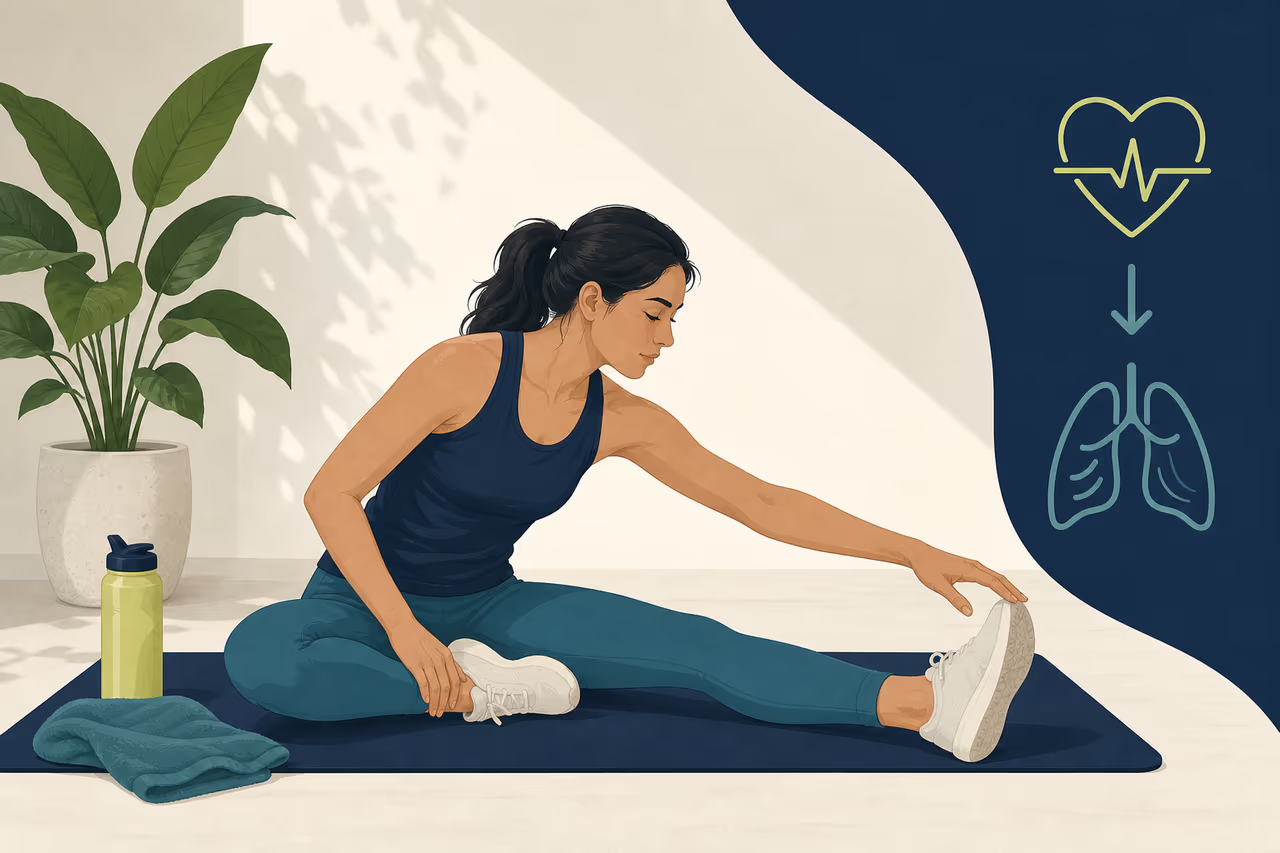
Simple Steps for a Better Transition
Many people skip the cool-down because they assume it requires a long, complex yoga sequence or significant time. In reality, a cool-down can be effective in as little as five minutes. If you are short on time, prioritize two to three minutes of gentle movement and deep breathing over skipping the transition entirely.
The 5-Minute Post-Cardio Reset
This sequence is designed to be accessible and requires no equipment. Use this as a starting point, and adjust the intensity based on how your body feels.
- Light Movement (2 minutes): Keep moving at a significantly reduced pace. If you were running, switch to a slow walk. If you were cycling, pedal with zero resistance. This keeps blood circulating gently without taxing your heart.
- Static, Gentle Holds (2 minutes): Focus on the major muscle groups you used during your cardio. Avoid aggressive, deep stretching while your muscles are still warm and potentially fatigued. Instead, use gentle, supported holds,such as a standing quad stretch using a wall for balance or a simple forward fold with bent knees.
- Intentional Breathing (1 minute): Find a comfortable standing or seated position. Focus on rhythmic, slow inhalations and exhalations. This simple act helps shift your nervous system from a "fight or flight" state to a "rest and digest" state.
Common Failure Modes to Avoid
It is easy to fall into habits that undermine your recovery. Being aware of these common mistakes can help you maintain a more sustainable practice:
- The "All or Nothing" Trap: You do not need to perform a 30-minute yoga flow to have a successful cool-down. If you have five minutes, use five. If you only have two, use two. Consistency is more valuable than a "perfect" session.
- Over-stretching Cold or Fatigued Muscles: Avoid pushing into deep, intense stretches immediately after high-intensity work. Your muscles are already stressed; gentle, controlled movement is more beneficial than aggressive lengthening.
- Ignoring Your Individual Needs: What works for a long-distance runner may not be the best approach for someone who has been walking or swimming. Pay attention to how your body responds and adjust your routine accordingly.
When to Seek Professional Guidance
While self-guided cool-downs are excellent for daily maintenance, they are not a substitute for medical care. If you experience persistent pain, dizziness, or unusual fatigue that does not resolve with rest, contact a healthcare professional.
Beyond medical needs, many people find that their routine becomes stagnant or confusing as their fitness goals evolve. Adults should aim for a mix of aerobic activity and muscle strengthening to support long-term health. We connect readers with trainers and yoga businesses that provide a balanced, repeatable programme and human accountability.
Whether you are looking to refine your mobility, build a more robust strength routine, or simply need help creating a personalized cool-down that fits your specific activity level, working with a professional can provide the structure you need. A trainer can help you identify which movements best support your specific cardio habits, ensuring your recovery is as effective as your workout.
If you are ready to move beyond generic advice, you can find a yoga teacher or explore how to build a balanced practice that integrates seamlessly into your lifestyle.
Sources
- Physical activity (opens in a new tab), World Health Organization.
- Top 10 Things to Know About the Physical Activity Guidelines (opens in a new tab), Office of Disease Prevention and Health Promotion.
Watch alongside this guide
Just walk
This short walking overview reinforces the guide's focus on accessible, repeatable movement rather than elaborate equipment. Source: American Heart Association. This optional video is context, not evidence or personal instruction.
The YouTube player stays unloaded until you choose to watch. Loading it connects to YouTube and may allow that service to process usage data.