Slow Breathing for Sleep: A Practical Guide
Master slow breathing techniques to wind down at night, support your nightly rest, and know when to seek medical help.
https://primetempr.com/blog/slow-breathing-for-sleep-a-practical-guide
Slow breathing is a accessible, low-barrier tool to signal the body that it is time to transition toward rest. Rather than functioning as an immediate "off switch" for the mind, it acts as a supportive habit that helps shift your nervous system from the high-alert state of daytime activity to a quieter state of preparation for sleep.
Breathwork functions as a tool for nervous system regulation rather than a medical cure for insomnia, emphasizing its role within a consistent, holistic sleep environment.
Why Slow Breathing Supports Rest
The physiological connection between breath and relaxation is rooted in nervous system management. When you consciously slow your breathing and lengthen your exhale, you send the body a rhythmic, predictable signal. This helps reduce physical stress sensations that keep you awake, such as a racing heart or shallow, rapid breathing.
Relaxation approaches like breathing, guided imagery, and progressive relaxation are wellness tools that should not replace conventional medical care. If you experience chronic sleep issues, these techniques complement rather than substitute professional medical guidance.
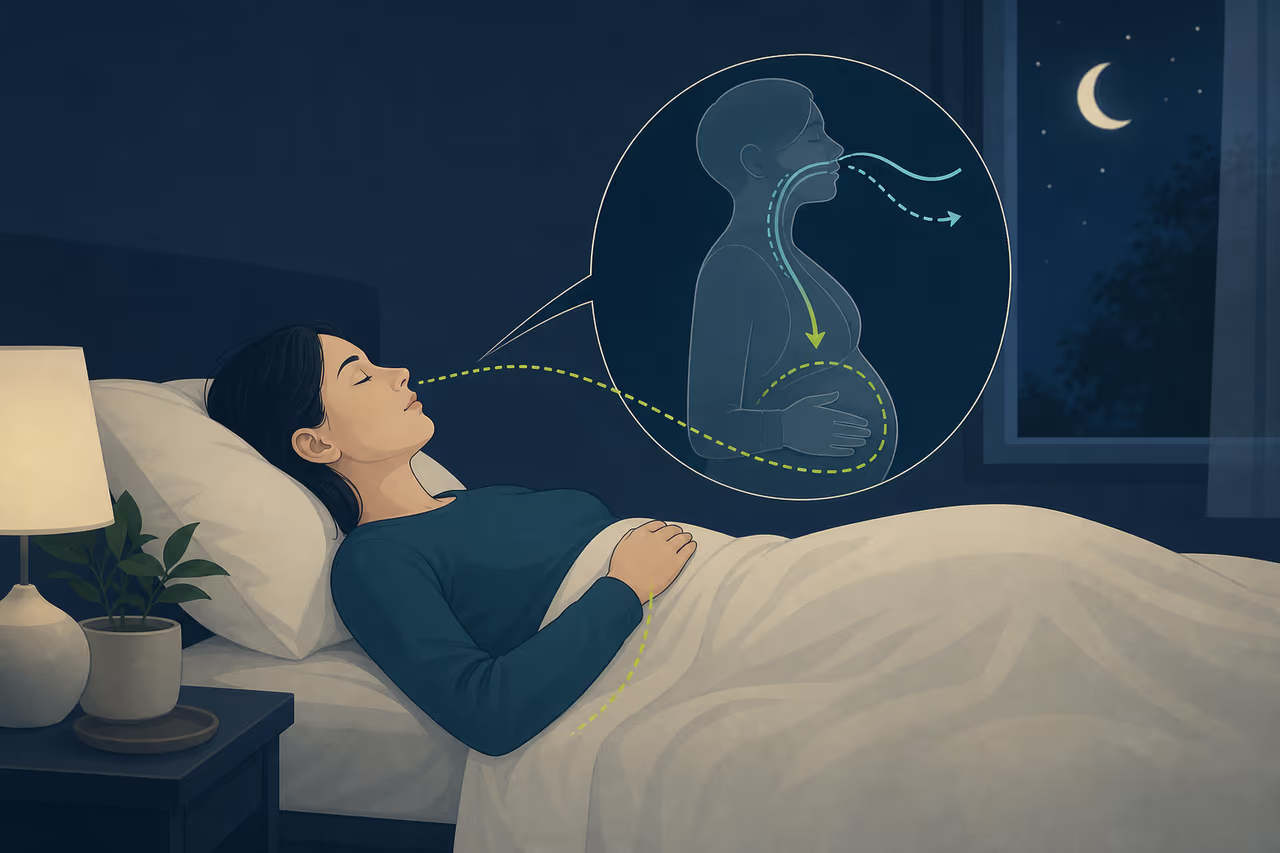
The Role of Breathwork in a Sleep Routine
Breathwork works best when integrated into a consistent sleep hygiene strategy alongside foundational rest elements. According to the National Heart, Lung, and Blood Institute, consistent sleep schedules, a quiet dark room, and daytime activity form the foundation of good-quality sleep.
If you struggle to wind down, consider how your breathwork practice fits into your evening.
- Foundation First: Before relying on breathing techniques, ensure your environment is conducive to sleep. A dark, quiet room and a consistent bedtime help set the stage for your body to recognize that it is time to rest.
- Consistency Over Intensity: You do not need to master complex breathing patterns to see benefits. The act of slowing down and focusing on your breath is often more important than the specific technique used.
- The "Alertness" Failure Mode: Sometimes, focusing on the breath can make you feel more alert, especially if you are forcing a specific rhythm or counting breaths with too much intensity. If you find yourself feeling anxious or frustrated, stop the practice. Forcing a rhythm can create physical tension, which is counterproductive to sleep.
Your 5-Minute Pre-Sleep Wind-Down
If you want to try breathwork, use this simple plan to ease your transition into rest.
- Set a consistent 'lights out' time: Anchor your routine by going to bed at the same time each night.
- Prepare your environment: Ensure your bedroom is dark and quiet before you begin.
- Find your position: Spend 2 to 3 minutes in a comfortable, supported position, whether seated or lying down.
- Lengthen the exhale: Focus on making your exhale slightly longer than your inhale. You do not need to count strictly; simply aim for a gentle, extended breath out.
- Listen to your body: If you feel restless or the exercise increases your alertness, stop. Try a gentle, non-stimulating activity like reading a book instead.
For more guidance on creating habits that stick, read our guide on How to Build a Consistent Sleep Routine That Actually Lasts.
When to Seek Professional Support
While breathwork is helpful, it cannot replace conventional medical care for sleep disorders. If your sleep issues are persistent, severe, or impact your daily life, consult a healthcare professional.
If breathing exercises feel frustrating or ineffective, stop without pressure and try alternative relaxation methods like progressive muscle relaxation or guided imagery. Prime Tempr helps readers find restorative yoga, meditation, and trainer-led support while keeping educational content separate from medical care or personalized diagnosis. For personalized guidance or a supportive environment to explore these practices, you can Explore restorative guidance through our network of trainers.
Summary of Trade-offs
| Feature | Reality |
|---|---|
| Expectation | Breathwork is a supportive habit, not a medical cure for insomnia. |
| Consistency | The timing and environment often matter more than the specific technique. |
| Flexibility | If breathing feels forced or causes tension, switch to a different relaxation method. |
Sources
- Heart-Healthy Living: Get Enough Good-Quality Sleep (opens in a new tab), National Heart, Lung, and Blood Institute.
- Relaxation Techniques: What You Need To Know (opens in a new tab), National Center for Complementary and Integrative Health.
Watch alongside this guide
Stress management
Use this concise Mayo Clinic explainer alongside the article's practical steps for stress, sleep, and recovery. Source: Mayo Clinic. This optional video is context, not evidence or personal instruction.
The YouTube player stays unloaded until you choose to watch. Loading it connects to YouTube and may allow that service to process usage data.