Recovery Signals vs. Reasons to Pause Exercise: A Practical Guide
Distinguish between normal muscle recovery and warning signs that require you to stop exercising and consult a professional.
https://primetempr.com/blog/recovery-signals-vs-reasons-to-pause-exercise-a-practical-gu
Progress in physical movement does not depend on maintaining an unbroken streak of high-intensity workouts. In fact, mistaking relentless intensity for progress often leads to setbacks. Sustainable improvement relies on a clear-cut skill: distinguishing between normal physical recovery signals, which respond well to rest and relaxation, and serious warning signs that require you to pause exercise entirely and seek professional care.
Many active adults find it difficult to separate the healthy, temporary fatigue of a productive workout from the deeper, systemic warning signs of overtraining or injury. Pushing through severe pain or persistent exhaustion under the assumption that it is simply "part of the process" is a common failure mode. While educational guides can help you understand general physiological patterns, they cannot provide a personalized diagnosis. In practice, you must assess your own body's unique signals and seek professional medical help when something does not feel right.
Understanding Your Body's Recovery Signals
After physical exertion, experiencing mild, diffuse muscle soreness, temporary tiredness, or a slight decrease in physical energy is entirely normal. These are natural physiological responses to movement, indicating that your body is adapting to the workload.
How you manage your daily routine directly influences how efficiently your body processes these recovery signals. Sleep is one of the most critical pillars of this restorative process. Because adult sleep needs vary, supporting your sleep requires a deliberate approach. Maintaining consistent sleep schedules, sleeping in a quiet, dark room, staying active during the day, and establishing calmer pre-bed routines can significantly support sleep quality.
Additionally, engaging in moderate daytime activity, such as gentle walking, can promote circulation and ease mild muscle stiffness. Structuring your downtime intentionally helps support your body during these normal recovery phases. For a deeper look at managing your off-days, read our guide on Beyond Intensity: How to Tell When Your Body Needs a Rest Day.
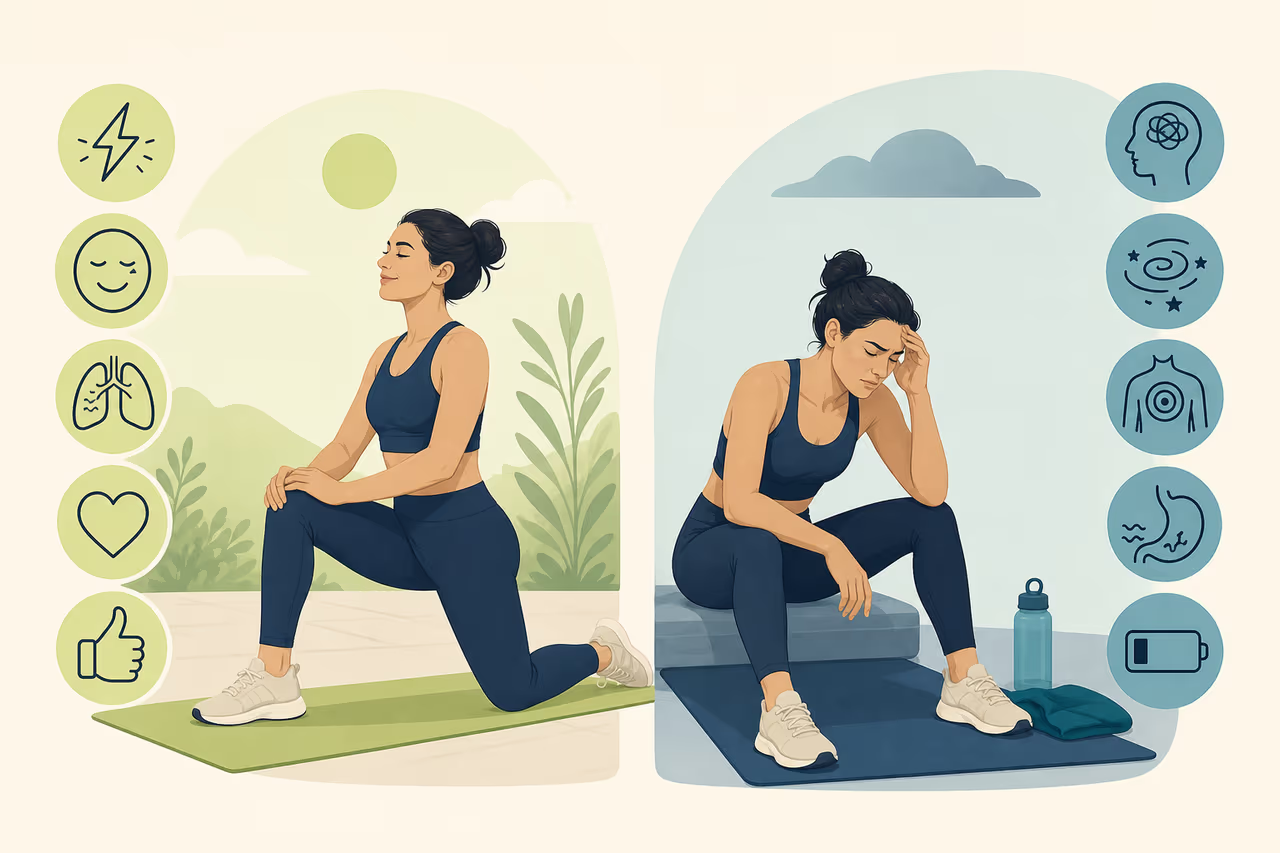
When to Pause: Recognizing the Warning Signs
While mild soreness and temporary fatigue are expected elements of a movement routine, they must not be confused with signs of distress. There are clear warning signs that indicate you need to stop exercising immediately. Persistent physical symptoms, severe pain, or signs of overtraining require pausing exercise and consulting a healthcare professional for a personalized diagnosis.
Mistaking severe pain or persistent exhaustion for a normal recovery signal that you can simply push through is a dangerous failure mode that often leads to chronic injury. If you realize you have pushed past normal recovery signals into warning-sign territory, your immediate path is clear: pause all intense exercise, prioritize basic sleep hygiene, and consult a healthcare professional.
To help you quickly evaluate what you are experiencing, consider the differences outlined below:
| Signal Type | Normal Recovery Signal | Warning Sign (Pause Exercise) |
|---|---|---|
| Muscle Sensation | Mild, diffuse soreness that improves with light movement | Sharp, localized, or severe pain that worsens with movement |
| Fatigue Level | Temporary tiredness that responds well to sleep and rest | Persistent exhaustion, chronic fatigue, or feeling drained for days |
| Joints & Tendons | No joint pain; normal range of motion | Swelling, joint instability, or sharp pain in joints/tendons |
| Systemic Signs | Feeling refreshed after a rest day | Signs of overtraining, elevated resting heart rate, or mood changes |
The Role of Relaxation and Restorative Practices
When you are experiencing normal recovery signals, incorporating relaxation techniques can be beneficial for overall well-being. Relaxation techniques such as breathing exercises, guided imagery, and progressive muscle relaxation are educational tools that can help manage stress and promote general relaxation, but they do not replace conventional medical care.
For example, practicing progressive muscle relaxation can help you develop a deeper awareness of physical tension and learn how to release it. If you are new to this practice, you can read our step-by-step guide on Progressive Muscle Relaxation: A Practical Guide for Beginners.
However, Be sure to understand the practical trade-offs of these methods. Restorative practices and sleep routines require consistency and time, as they do not offer an instant cure for fatigue. Using relaxation techniques or restorative yoga as a replacement for conventional medical care when experiencing chronic symptoms is a significant mistake. These practices are designed to support general well-being, not to treat, diagnose, or cure underlying medical issues.
Recovery vs. Pause Decision Guide
To help you navigate your recovery choices safely, use this step-by-step decision guide to evaluate your current physical state:
- Check sleep quality: Are you supporting sleep with a consistent schedule, a quiet, dark room, daytime activity, and calmer pre-bed routines?
- Identify the signal: Is it mild fatigue responsive to daytime activity and calmer pre-bed routines, or is it persistent pain and exhaustion?
- Choose the tool: Use breathing, guided imagery, or progressive relaxation for general relaxation and stress management, keeping in mind they are educational tools and not a replacement for medical care.
- Know when to pause: If symptoms are persistent, severe, or indicative of overtraining, pause exercise immediately and consult a healthcare professional for a personalized diagnosis.
- Select a supportive next step: Explore restorative guidance or trainer-led support to build a balanced, sustainable routine.
Your Next Steps: Finding the Right Support
Building a sustainable, healthy relationship with movement means knowing when to challenge yourself, when to rest, and when to seek outside help. Restorative practices and trainer-led support can help build a balanced routine, but they are educational and should not be used as a substitute for professional medical diagnosis or treatment.
At Prime Tempr, our goal is to help readers find restorative yoga, meditation, and trainer-led support while keeping educational content separate from medical care or personalized diagnosis. If you are recovering normally and want to build a more balanced, sustainable routine, you can Explore restorative guidance to find qualified trainers and studios. For more practical advice on structuring your rest periods, you can also read our article on How to Plan a Useful Rest Day.
Sources
Watch alongside this guide
Stress management
Use this concise Mayo Clinic explainer alongside the article's practical steps for stress, sleep, and recovery. Source: Mayo Clinic. This optional video is context, not evidence or personal instruction.
The YouTube player stays unloaded until you choose to watch. Loading it connects to YouTube and may allow that service to process usage data.