Practical Movement for Rainy Days in Small Homes
Adapt your movement to wet floors and small spaces with this simple, safe rainy day routine.
https://primetempr.com/blog/practical-movement-for-rainy-days-in-small-homes
When the rain keeps you indoors and your living space feels smaller than usual, the goal of your movement practice should shift from intensity to consistency. You do not need a studio or a dry, expansive floor to stay active. By adjusting your expectations and focusing on movements that require minimal footprint, you can maintain your routine without treating a rainy day as a failure of your discipline.
Prioritize safety first
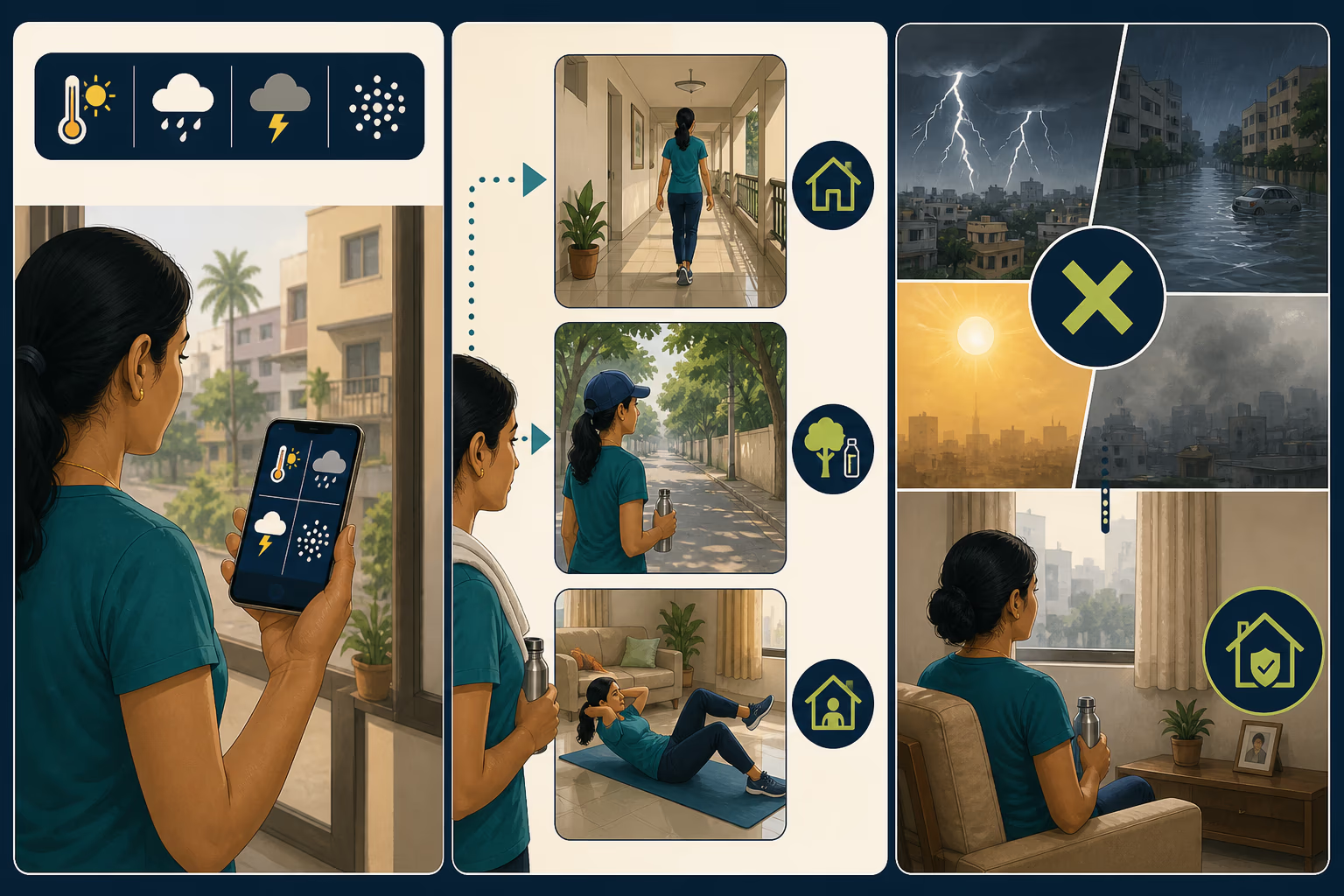
Before you begin any movement, your first step is to assess the environment. Rainy weather can lead to damp floors, which increase the risk of slipping, or more severe weather events that require your full attention.
Always check local weather safety alerts before starting your session. India's National Disaster Management Authority publishes current public-safety guidance for seasonal hazards like floods and heavy rain. If there is a risk of flooding or severe weather, prioritize your safety over any exercise routine. Movement is meant to support your well-being, not put you at risk. If the weather is severe, skip the session entirely; your health and safety are the only priorities that matter.
Adapting to limited space and wet floors
If the weather is simply wet and you are confined to a small, shared living space, you can still find ways to move safely. Physical activity can be adapted to various settings, weather, and personal circumstances, and any amount of movement is better than none.
To practice effectively in a cramped or damp environment, focus on these adjustments:
- Minimize floor contact: If your floor is damp or slippery, avoid poses that require wide stances or extended contact with the ground, such as downward-facing dog or warrior poses. Instead, prioritize seated or standing static stretches. These require a very small footprint and keep your center of gravity stable.
- Create a dry zone: Use a non-slip yoga mat or a clean, dry towel to secure your footing. If you do not have a mat, a thick towel can provide enough traction for simple standing movements.
- Clear the perimeter: In a small room, even a few inches of extra space can prevent collisions. Move light furniture or clear away clutter to create a 4x4 foot zone. This ensures you can move your arms and legs without hitting walls or household items.
- Reduce duration: If you usually practice for an hour, aim for 10 or 15 minutes on a rainy day. Shorter sessions are easier to fit into a busy household schedule and reduce the fatigue that can lead to poor form or accidental slips.
When you feel the pressure to maintain a perfect streak, remember that flexibility is a core component of a sustainable practice. If your space is too crowded or the floor is too damp for comfort, shift to simple neck rolls, shoulder stretches, or seated breathing exercises. These movements provide the benefits of activity without the risks associated with a full, high-intensity routine.
Finding support that fits your reality
It is common to feel frustrated when external conditions like weather or family schedules disrupt your routine. Many people struggle to adapt their practice because they rely on rigid, studio-based expectations that do not translate to a small, multigenerational home.
Prime Tempr helps readers find nearby and online trainers whose schedules, spaces and practice formats fit local climate and seasonal routines. A local trainer can help you understand how to modify your specific practice to fit your home environment, providing guidance that accounts for the reality of your living space. Instead of forcing a high-intensity routine that isn't suited for your current conditions, you can work with a professional to build a versatile practice that grows with you. Find flexible local support to see how you can tailor your movement to your life, not the other way around.
Your rainy day movement checklist
Use this checklist to prepare for your next indoor session. This is designed to be a manageable, low-risk approach to movement when you are confined to a small space.
- Check local safety: Verify that there are no weather warnings in your area.
- Clear the zone: Ensure you have a 4x4 foot space free from furniture or sharp corners.
- Secure your footing: Use a non-slip mat or a dry towel to ensure your feet have grip.
- Choose static movements: Focus on seated or standing stretches to minimize the risk of slipping.
- Keep it brief: Aim for a 10-minute session to keep the practice manageable and realistic.
- Stop if unsure: If you feel unstable or the environment feels unsafe, stop immediately.
For more guidance on staying active during the wet season, see How to Keep Moving When the Monsoon Cancels Your Walk. Remember, the goal is to maintain movement as a habit, not to force a perfect session in an imperfect environment.
Watch alongside this guide
Just walk
This short walking overview is a visual reminder that useful activity can stay simple. Apply the article's local weather, air-quality and public-safety checks first.
The YouTube player stays unloaded until you choose to watch. Loading it connects to YouTube and may allow that service to process usage data.