Partner Yoga: How to Evaluate a Class Before Booking
Assess accessibility, communication, touch consent, and teaching formats in partner yoga classes before you book your session.
https://primetempr.com/blog/partner-yoga-for-beginners-what-to-check-first
Partner yoga adds communication, shared balance, and weight-bearing to standard practice. These dynamics change beginner expectations. Trust does not replace consent, and a quality session never assumes that two participants share identical mobility, strength, or comfort with physical contact.
Class labels are only a starting point. Two sessions with identical titles vary in pace, room setup, instruction, and support. Ask for specific details rather than assuming terms like beginner, gentle, or accessible share a single definition.
Start with the access conditions that matter
Review the practical conditions that affect your participation. Distinguish between essential access needs and personal preferences. A preference for lower volume, for instance, dictates whether you remain engaged or leave early. The goal is to identify an environment where you can make informed decisions.
- explicit permission before touch, leaning or shared weight-bearing
- non-contact alternatives for every paired activity
- clear guidance about who supports whom and how to exit
- pairings based on comfort rather than appearance, gender or ability
A helpful provider outlines existing accommodations, adjustable elements, and fixed limitations. Honest boundaries are more valuable than an enthusiastic confirmation that leads to surprises. If staff need time to verify a detail, request the response in writing before booking.
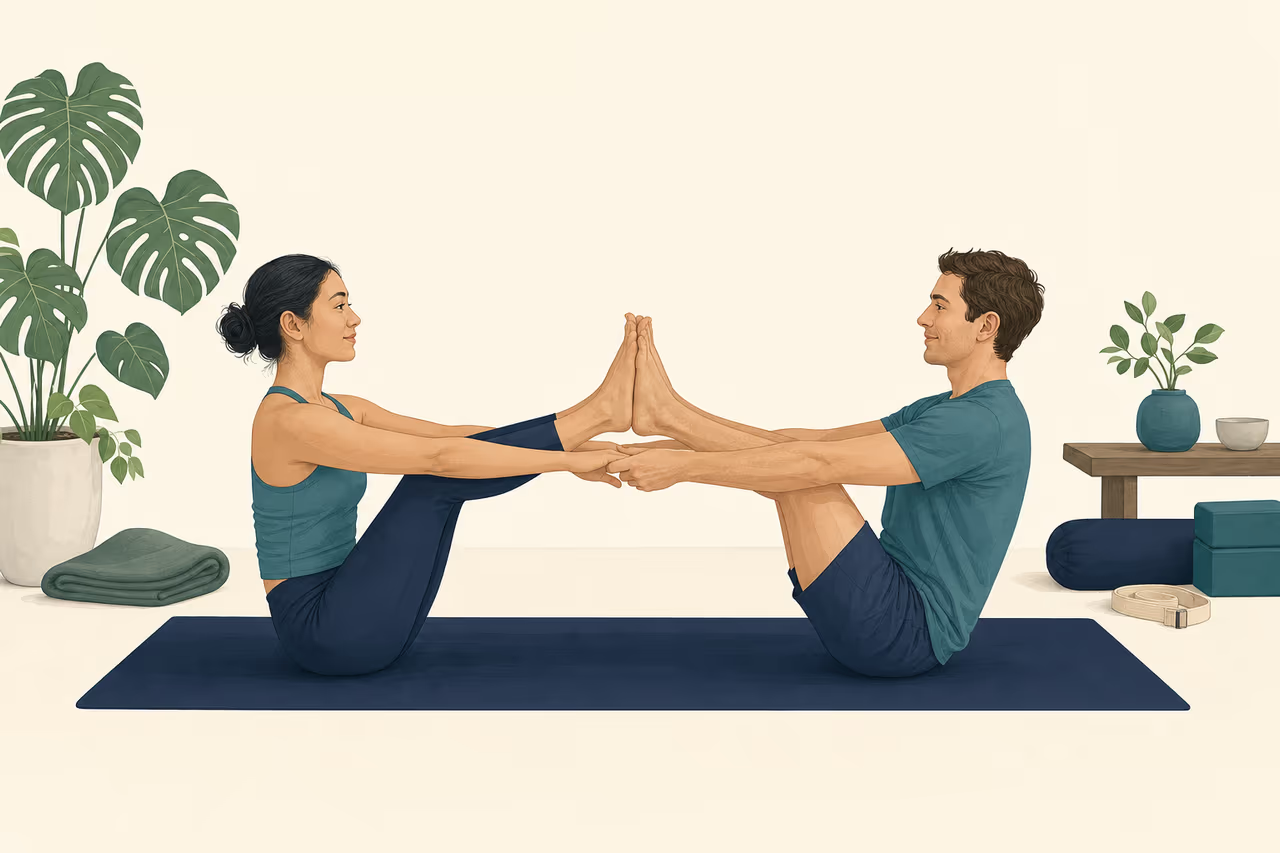
Questions to ask before you book
You do not need to share medical diagnoses to inquire about a class. Ask for the specific information you need: entry routes, instruction methods, touch policies, and break structures. A concise email establishes a written record for reception and the instructor.
- Can we attend as a pair, and may either person practise independently?
- Which activities involve touch or supporting another person's weight?
- How does the teacher teach a safe exit before the activity begins?
- Are observers and non-participating partners welcome?
Evaluate whether responses are concrete. A reliable answer describes the actual setup and acknowledges uncertainties. Vague assurances that an instructor can modify everything place a burden on the participant and may conceal limitations that warrant prior discussion.
What respectful choice looks like during class
Meaningful choices should be integrated into teaching rather than offered only after a participant struggles. Options might involve altering position, range, speed, equipment, or sensory input. An instructor should explain the purpose of a movement and let students decide how or whether to engage.
Consent is ongoing. Registering for a class does not constitute blanket agreement to physical touch, partner drills, photography, or every exercise. Students must be able to change their approach without public interrogation. If an instructor requires details to accommodate a request, that conversation should remain private.
Warning signs worth taking seriously
- surprise touch or pressure to say yes
- competitive demonstrations presented as the goal
- unclear responsibility during balances or transitions
A single unclear response does not disqualify a studio, but consistent vagueness is a signal. The same applies to responses that treat accessibility as a burden, request unnecessary medical history, or claim one approach resolves every need. It is reasonable to continue your search.
Make the first visit a low-pressure trial
Test a single class, observation visit, or recording before committing to a package. Reconfirm logistics on the day of the session, arrive early to orient yourself, and note how to pause or exit. Afterward, assess the experience: Could you follow the guidance? Were your boundaries respected? Did the reality match the description?
Use these answers to compare your options, then Browse yoga programmes when you want to contact a trainer or studio about the access details that matter to you.
This guide provides general education rather than medical advice. If a health condition, injury, or symptom affects your movement practice, consult a health professional and share only relevant practical guidance with your instructor.
Sources
- Yoga: Effectiveness and Safety (opens in a new tab) — National Center for Complementary and Integrative Health.
- Older Adult Activity: An Overview (opens in a new tab) — Centers for Disease Control and Prevention.
Watch alongside this guide
Accessible yoga for every body
This class demonstrates chair and support options that make the article's accessibility principles easier to see in practice. Source: Vancouver Coastal Health. This optional video is context, not evidence or personal instruction.
The YouTube player stays unloaded until you choose to watch. Loading it connects to YouTube and may allow that service to process usage data.