Chair Yoga: A Practical Guide for Office Workers
Integrate chair yoga into your workday with professional guidance, realistic safety expectations, and movements tailored to your needs.
https://primetempr.com/blog/moving-at-work-understanding-chair-yoga
Chair yoga adapts office movement, but its effectiveness depends on matching the practice to your physical needs through qualified instruction. For many desk workers, sedentary hours lead to stiffness and fatigue. Chair yoga addresses these concerns, provided you understand its role in your wellbeing.
What is Chair Yoga?
Chair yoga adapts traditional poses by using a chair for support. While mat-based yoga requires floor access, which can be a barrier in cramped office spaces, chair yoga allows you to perform stretches, strengthening movements, and breathwork while seated or using the chair for balance.
Be sure to recognize that yoga styles and demands vary significantly. Some chair yoga sessions focus on gentle, restorative movements designed to release tension in the neck and shoulders, while others may incorporate more active, strength-based sequences. Because the chair provides a stable base, it can make certain movements more accessible, but it does not automatically make the practice "easy" or universally safe. The intensity and appropriateness of any movement depend entirely on your current physical condition and the guidance you receive.
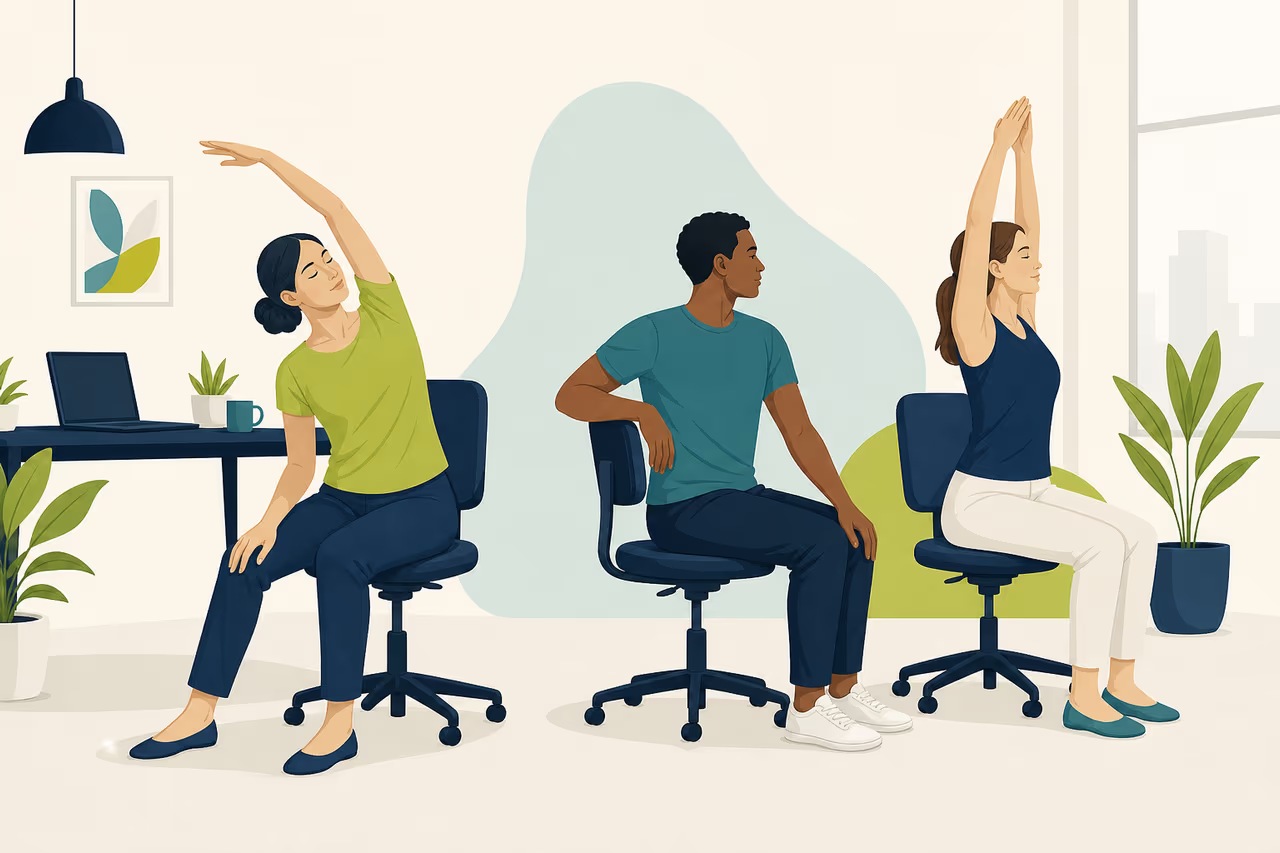
The Benefits and Limits of Desk-Based Movement
Integrating movement into your workday mitigates physical fatigue from long hours at a desk. Maintain realistic expectations about what chair yoga can and cannot achieve.
What it can do:
- Promote movement: It provides a structured way to break up long periods of sitting.
- Support mobility: Targeted stretches can help address common areas of tightness, such as the hips, chest, and upper back.
- Encourage mindfulness: Incorporating breathwork can serve as a mental reset during a stressful workday.
What it cannot do:
- Replace comprehensive fitness: Chair yoga is not a replacement for a comprehensive fitness routine. While it supports mobility and movement, it does not provide the full spectrum of aerobic or muscle-strengthening activity that is necessary for long-term health.
- Provide a universal solution: Accessibility is individual. What works for one person may not be appropriate for another, and assuming that a specific chair-based routine is safe for every person is a common failure mode.
A well-rounded approach to health ensures that physical activity, including muscle-strengthening and balance work, matches your specific abilities.
Why Qualified Instruction Matters
Practicing yoga without guidance carries the risk of assuming all movements suit your body. Generic online videos lack the real-time feedback of a qualified instructor who can observe your form and suggest necessary modifications.
Qualified instruction and appropriate modification reduce avoidable risk. An experienced teacher helps adjust poses for your physical needs, past injuries, or office chair constraints. If movement causes discomfort, stop immediately. Attempting complex poses without verifying your current mobility is a primary cause of avoidable strain.
How to Find the Right Support
Finding proper support requires a professional who understands your goals. Prime Tempr's trainer and location profiles allow you to compare formats and contact businesses to confirm accessibility details.
When searching for a teacher, prioritize specialists in accessible or chair-based yoga. You can find a yoga teacher or find an accessible class through our directory to begin. When contacting instructors, ask about their experience with office-based modifications and individual physical needs.
How to Choose Your First Chair Yoga Experience
Review this checklist before starting to ensure your practice remains safe and sustainable:
- Identify your primary goal: Are you looking for neck relief, hip mobility, or simply a way to move more throughout the day? Knowing your goal helps you select the right type of session.
- Check your equipment: Ensure your workspace chair is stable, on a non-slip surface, and appropriate for movement. Avoid chairs with wheels that could slide away during a stretch.
- Contact the teacher: Reach out to a potential instructor to ask about their experience with office-based modifications.
- Start small: Begin with a short, guided session rather than a long, unmonitored practice.
Prioritizing qualified instruction and matching the practice to your physical reality creates a sustainable, supportive way to move at work.
Sources
- Yoga: Effectiveness and Safety (opens in a new tab), National Center for Complementary and Integrative Health.
- Older Adult Activity: An Overview (opens in a new tab), Centers for Disease Control and Prevention.
Watch alongside this guide
Accessible yoga for every body
This class demonstrates chair and support options that make the article's accessibility principles easier to see in practice. Source: Vancouver Coastal Health. This optional video is context, not evidence or personal instruction.
The YouTube player stays unloaded until you choose to watch. Loading it connects to YouTube and may allow that service to process usage data.