How Yoga Teachers Can Review Their Own Classes Objectively
Master a practical framework to evaluate your yoga classes, refine verbal cues, and maintain professional boundaries without harsh self-judgment.
https://primetempr.com/blog/how-yoga-teachers-can-review-their-own-classes-objectively
Reviewing your own yoga classes relies on systematic observation of pacing, cue clarity, and scope adherence rather than chasing a flawless performance. Many teachers finish a session with a vague sense of satisfaction or disappointment, but lack a structured method to evaluate what actually happened on the mat. Relying on emotional impressions or attendance numbers often leads to harsh self-criticism or misplaced confidence. A reliable post-class review focuses on concrete teaching variables, helping you refine your communication and protect student safety over time.
Why structured self-review matters for yoga teachers
Objective self-reflection helps you move away from performance anxiety and toward clear professional growth. When you evaluate your teaching through specific lenses, you stop measuring your worth by whether every transition felt magical. Instead, you look at whether your instructions were easy to follow and whether your class plan met the needs of the people in front of you.
Self-review is a regular habit, not an emergency response to a difficult class. However, self-review has clear limits. It is subjective by nature and cannot replace peer observation, mentor feedback, or direct input from your students. Recognizing these boundaries keeps your review practice grounded and realistic.
What to audit: pacing, cueing, and scope of practice
An effective post-class review examines a few distinct elements rather than attempting to audit every single word and movement. Breaking the review down into discrete categories prevents overwhelm and highlights actionable adjustments.
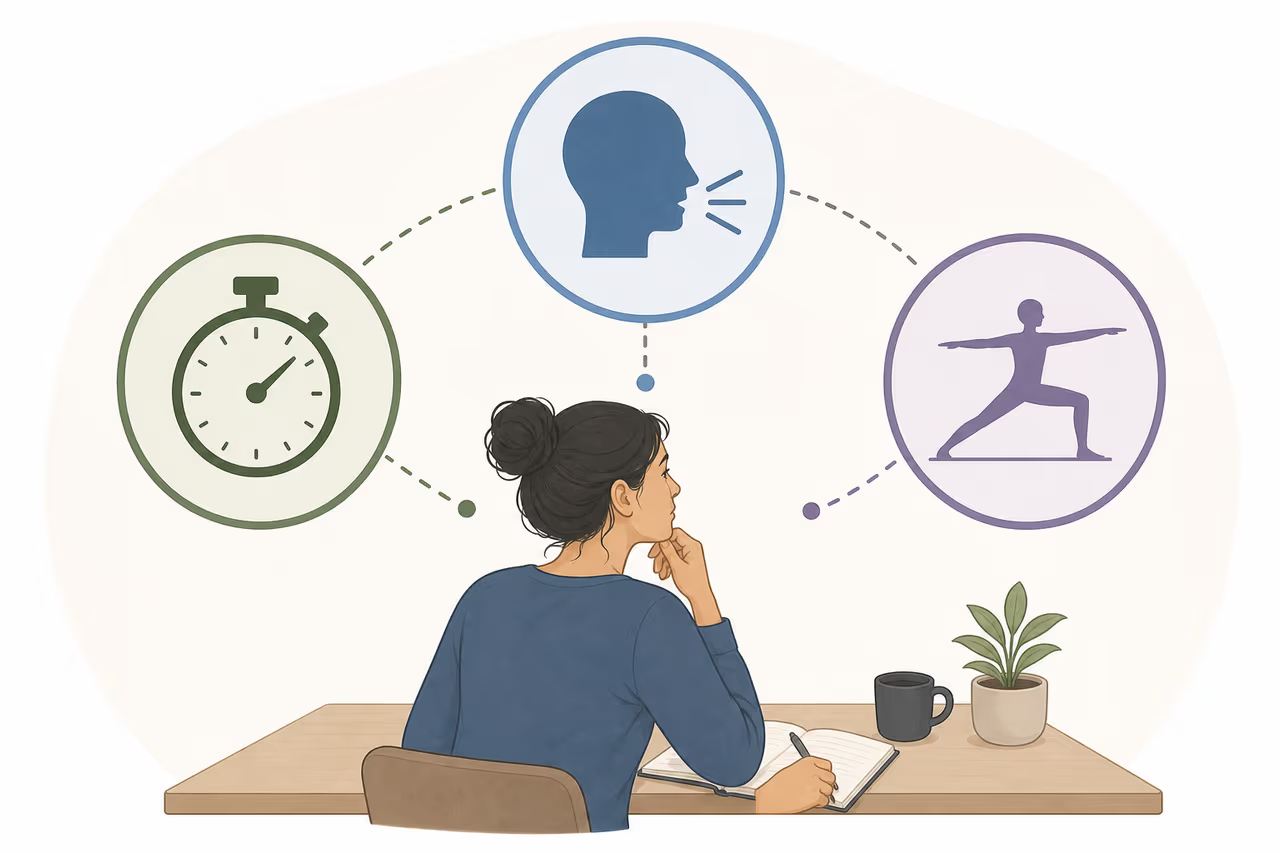
The three primary areas to evaluate after teaching include:
- Pacing and Transition Timing: Did students have enough time to settle into shapes, or did you rush through transitions? Notice where you felt hurried or where the room seemed to stall.
- Cue Clarity: Were your verbal instructions concise enough for students to follow without constantly looking up at you? Check whether your language relied on vague metaphors or clear spatial directions.
- Scope of Practice: Yoga teachers should teach within their training, experience and competence and refer students to qualified professionals when needs fall outside that scope. Review whether you stayed within your expertise or strayed into offering medical, nutritional, or psychological advice.
When student needs exceed your training, knowing when to refer out is a vital part of responsible teaching. Yoga styles and demands vary widely, and qualified teaching paired with suitable modifications matter for safety.
Practical methods for capturing your teaching accurately
Trying to remember every detail of a 60-minute class hours after it ends is nearly impossible. To review your teaching objectively, establish a low-friction capture habit right as class concludes.
Keep a dedicated notebook in your teaching bag or open a notes app on your phone the moment students leave the room. Spend five minutes writing down immediate observations while the memory is fresh. Focus on factual notes rather than emotional judgments. Instead of writing that a sequence was terrible, write down that the transition from lunge to warrior three felt congested and required too many corrective instructions.
If you choose to use audio or video recordings to check your delivery, ensure you obtain proper consent from your students beforehand and respect studio privacy policies. Review recordings with curiosity rather than harsh critique, listening specifically for tone, verbal clutter, and the speed of your delivery.
Turning reflections into better class planning and student journeys
Post-class reflections are only valuable when they inform your future preparation. Take the insights from your weekly notes and apply them directly to your upcoming lesson plans. If your review showed that your verbal cues were overly complex during balancing poses, make a conscious effort to simplify your language for the next session.
Structuring your classes around a single clear outcome makes this feedback loop much easier to manage. When every sequence supports one primary objective, evaluating whether the class succeeded takes minimal guesswork. You can read more about building focused sessions in our guide on how to plan a yoga class around one clear outcome.
As your teaching evolves through consistent reflection, sharing your philosophy and offerings transparently helps students find the right guidance. Platforms like Prime Tempr give teachers a storefront, free practice library and discovery profile where clear offers and responsible teaching information can become a coherent student journey.
Post-Class Teacher Review Checklist
Use this structured checklist immediately after your next class to ground your reflection in observable facts.
- Outcome Check: Note whether the class met the single primary outcome planned for the session.
- Clarity Audit: Check if verbal cues were concise enough for students to follow without looking up constantly.
- Scope Verification: Verify that teaching stayed strictly within your training, experience, and competence.
- Adjustment Focus: Identify one specific area of pacing or communication to adjust for the next session.
Sources
Watch alongside this guide
An inclusive guide to yoga and meditation
This inclusive introduction gives teachers a concrete example of choice, clarity, and sensory-aware presentation. Source: Autism BC. This optional video is context, not evidence or personal instruction.
The YouTube player stays unloaded until you choose to watch. Loading it connects to YouTube and may allow that service to process usage data.