How to Use Household Chores as Activity Without Calling Them a Workout
Turn everyday household tasks into meaningful physical activity without needing a gym bag or an uninterrupted schedule.
https://primetempr.com/blog/how-to-use-household-chores-as-activity-without-calling-them
Caregivers often feel that physical activity only counts if it is a structured, uninterrupted workout session in a gym or on a mat. When days are filled with family responsibilities, professional duties, and care work, finding an unbroken hour for exercise is nearly impossible. This creates unnecessary guilt and leads many people to abandon movement altogether.
You do not need a formal workout block to stay active. Everyday chores can accumulate meaningful physical activity without requiring a gym bag, provided you respect your joints and avoid unsafe lifting. Prime Tempr helps caregivers compare online and local trainers who offer flexible schedules, family-aware pacing, and guided alternatives when generic routines do not fit.
Why everyday movement counts
Any amount of physical activity is better than none, all activity counts, and muscle strengthening benefits everyone. Public health frameworks recognize that physical activity is cumulative. Whether you walk briskly, carry groceries, sweep a floor, or climb stairs, your body responds to the muscular effort.
The primary barrier for most caregivers is not a lack of willingness, but a rigid definition of what counts as exercise. If you wait for a perfect, quiet window of forty-five minutes to open up, days can pass with zero movement. Recognizing routine tasks as valid physical activity removes the psychological barrier of having to carve out a separate, dedicated workout.
Adults can work toward 150 to 300 weekly minutes of moderate aerobic activity and muscle strengthening on at least two days. Accumulating this time through sweeping, tidying, carrying laundry baskets, and active standing throughout the day helps you meet broad health recommendations without needing specialized equipment or fitness attire.
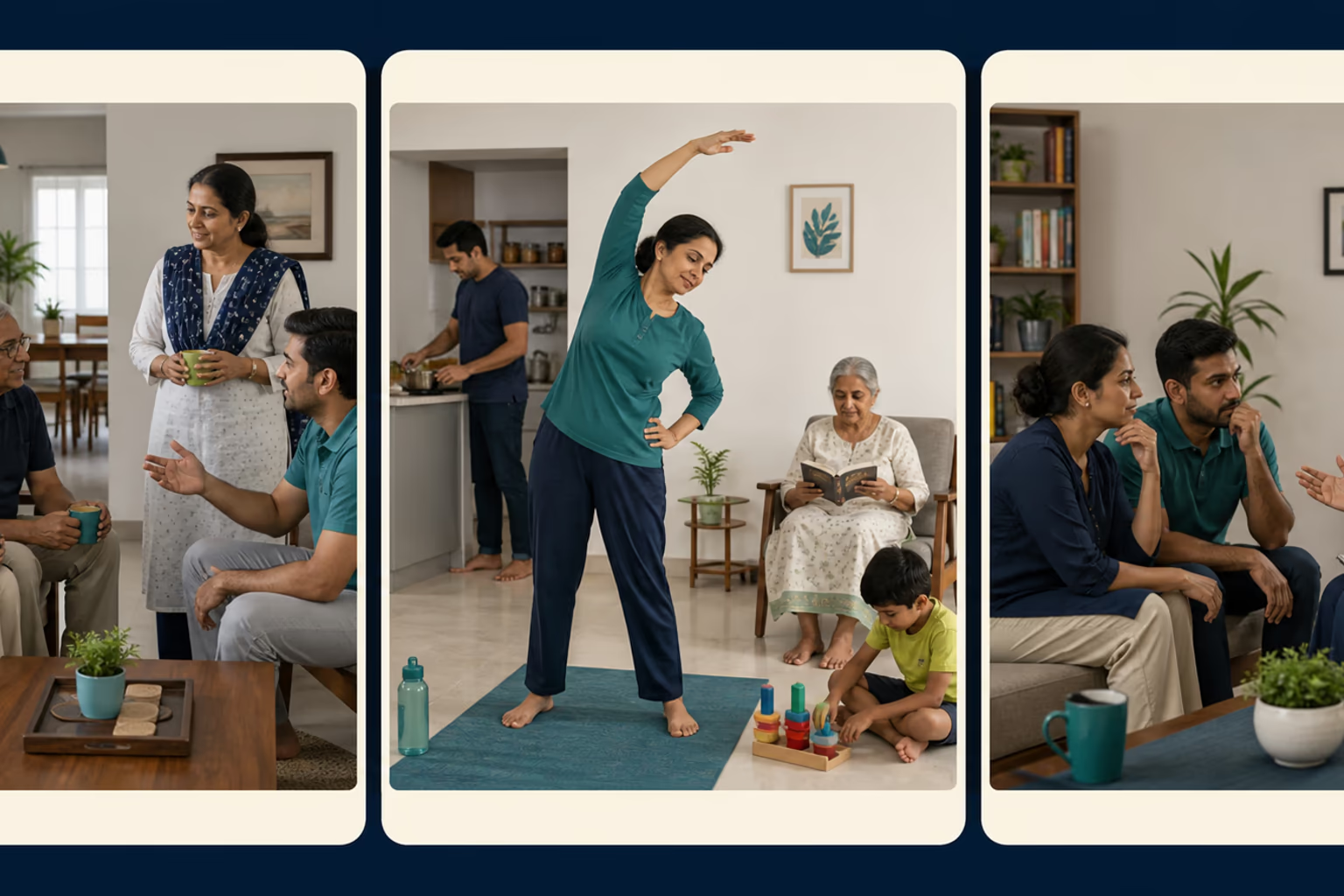
Integrating chores safely into care work
Treating household tasks as movement requires a shift in how you approach your posture and pacing. One common failure mode is treating heavy chores as maximum-effort lifting, which strains the lower back. Another mistake is believing that sweeping or tidying replaces all forms of targeted strengthening, or guilt-tripping family members into turning chores into forced exercise.
To protect your joints while staying active around the house, keep these mechanical principles in mind:
- Bend at the knees and hips rather than rounding your spine when picking items up from the floor.
- Distribute loads evenly when carrying laundry or household supplies, avoiding the habit of leaning to one side.
- Break longer tasks into manageable blocks across the day rather than rushing to finish everything at once.
- Pair movement with natural pauses in caregiving rather than chasing a strict, inflexible schedule.
Household tasks do not replace the targeted muscle strengthening or aerobic conditioning recommended in structured guidelines, and incidental movement is harder to track in terms of exact weekly minutes and intensity. Acknowledging these trade-offs helps you maintain realistic expectations. If a chore causes joint strain or fatigue, pause immediately, scale back the intensity, and consult a qualified professional for personalized pacing.
Chore-Based movement checklist for caregivers
Use this checklist to integrate physical activity into your daily caregiving routine safely and realistically:
- Notice existing daily tasks that already require standing or walking.
- Keep lifting mechanics safe by bending at the knees rather than rounding the spine.
- Break longer tasks into manageable blocks across the day.
- Pair movement with natural pauses in caregiving rather than chasing a strict schedule.
- Explore professional guidance if you need personalized pacing support.
When generic advice fails to match the reality of a busy household, you may need tailored support. Prime Tempr helps caregivers compare online and local trainers who can offer flexible schedules, family-aware pacing and guided alternatives when generic routines do not fit. You can explore options for Find family-aware guidance, read more under Movement for Families and Caregivers, or try a short practice like A Standing Strength Routine for Kitchen Waiting Time.
Follow-along reflection
Use the prompts below to review the idea in context, without turning it into a diagnosis or a fixed rule.
Questions to carry forward
- Why do everyday chores count toward physical activity?
- How do I turn routine tasks into movement without injuring my back?
- What is the difference between incidental activity and a structured workout?
- How can I fit movement into a busy day of caregiving?
- When should I seek guidance from a professional trainer?
Sources
- Physical activity (opens in a new tab), World Health Organization.
- Top 10 Things to Know About the Physical Activity Guidelines (opens in a new tab), Office of Disease Prevention and Health Promotion.
Watch alongside this guide
Just walk
This short walking overview offers an easy shared-activity reference. Family members can choose their own pace, route and participation without pressure.
The YouTube player stays unloaded until you choose to watch. Loading it connects to YouTube and may allow that service to process usage data.