How to Use Chai Breaks as Movement Reminders
Use your daily chai break as a practical trigger to stand and stretch during long screen-bound desk workdays.
https://primetempr.com/blog/how-to-use-chai-breaks-as-movement-reminders
Sitting for long hours at a desk makes it easy to stay locked in a static position until stiffness sets in, and rigid workout schedules often fail during busy workdays. When deadlines pile up, desktop calendar notifications or fitness apps are easily ignored or swiped away. A more sustainable approach relies on existing daily habits. Attaching a brief position change to the ritual of making or drinking chai creates a natural trigger to stand, stretch, and reset without adding another fitness chore to your schedule.
Why daily chai breaks make natural movement anchors
App reminders fail because they compete with your tasks as an external interruption. In contrast, a daily beverage ritual involves physical preparation, waiting time, and sensory cues that already exist in your day. All physical activity counts, any amount is better than none, and adults should limit sedentary time. Linking movement to the time it takes for water to boil or tea to steep turns a routine pause into an automatic opportunity to change position. A workstation should support neutral, comfortable positions, but even a good setup should allow regular changes of position. Using your chai break as that change helps break up long blocks of unbroken sitting.
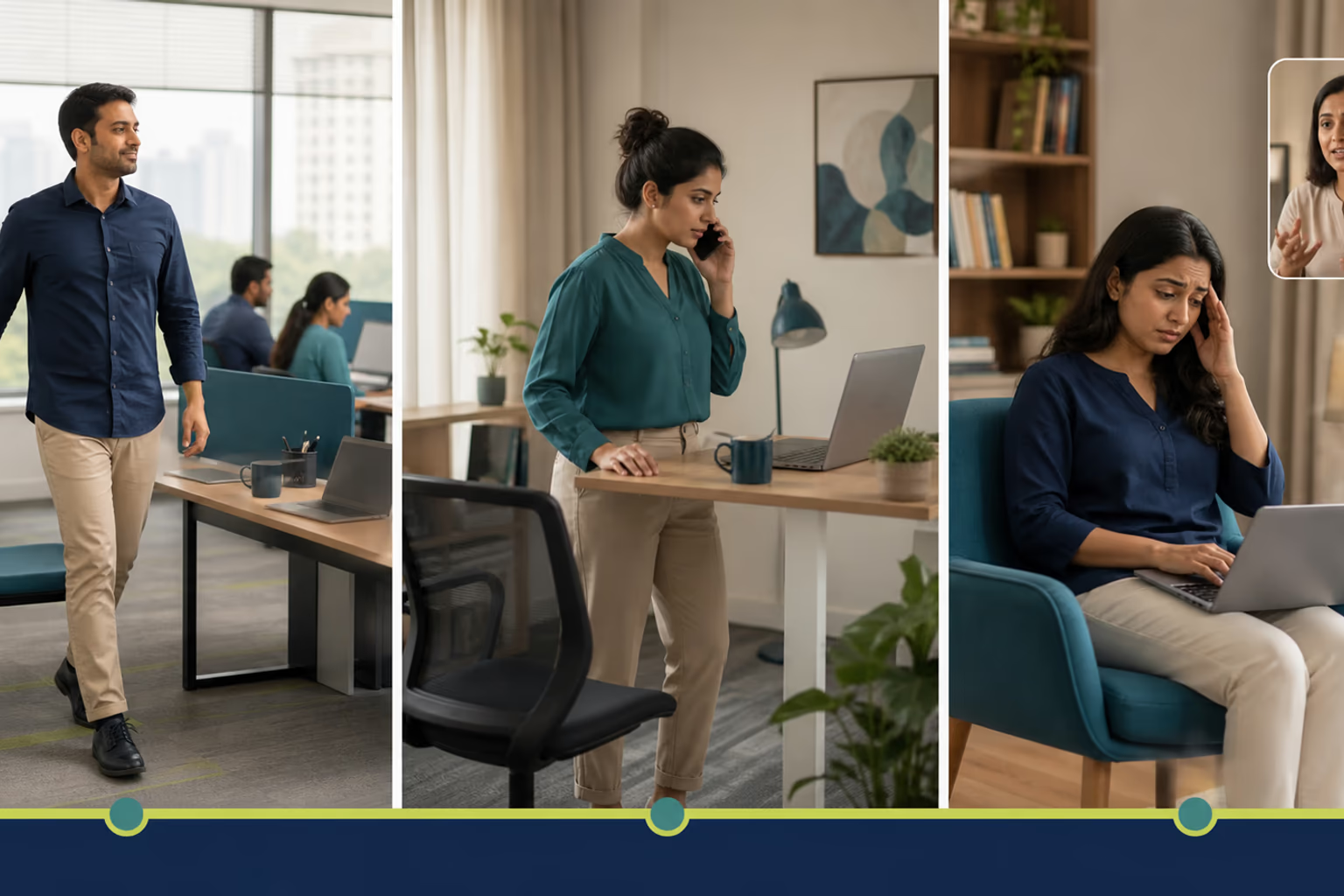
Minimum, normal, and full versions of a chai-break movement routine
You do not need a mat or workout clothes to change your physical state during a workday. Depending on your time and workspace constraints, you can scale your chai break movement using one of three versions.
- Minimum Version: Stand up completely while your water heats or your tea steeps. Stay standing for at least sixty seconds without looking at your screen, allowing your spine and legs to decompress from a seated posture.
- Normal Version: Stand up as the kettle boils, perform a gentle overhead arm reach or shoulder roll while waiting, and take your first sips of chai while standing near an open window or away from your desk.
- Full Version: Step away from your workspace entirely during the break. Combine your standing transition with a short sequence of desk-side movements, such as a gentle spinal twist, a forward fold with soft knees, or a calf stretch against a wall.
If your meeting schedule disrupts your planned chai break, settle for a simple standing stretch right at your desk or use your next beverage refill as a reset.
Honest trade-offs and what movement breaks cannot do
Be sure to manage expectations regarding what micro-breaks can achieve. A chai-linked movement habit is not a substitute for comprehensive physical training or medical ergonomic intervention. Short position changes help reduce sedentary fatigue and stiffness, but they do not build heavy muscular strength or reverse the effects of poor overall workspace ergonomics. Caffeine timing and intake should remain balanced with your personal health needs, so avoid drinking excessive cups of tea merely to force extra movement triggers.
Another common failure mode is treating the chai break as a high-intensity fitness routine instead of a simple position change. If you rush through your stretches or turn your tea break into a frantic exercise set, you lose the mental reset that the pause is meant to provide. Keep the movements easy, familiar, and proportional to your workday.
The chai-break movement checklist
Use this practical checklist to guide your movement habits around your daily tea breaks without disrupting your productivity:
- Anchor your movement trigger to the moment your kettle boils or your tea is poured.
- Stand up fully while waiting for water to heat or tea to steep.
- Perform a gentle shoulder roll or seated spinal stretch as you take your first sip.
- Step away from the screen for at least sixty seconds during the break.
- Choose comfortable movements and stop immediately if you feel pain, dizziness, or numbness.
When self-directed movement breaks need more structure, personal observation, or tailored guidance, Prime Tempr helps desk-based readers compare trainers, short practices, and nearby classes to find a rhythm that fits their routine. Explore options for Movement for Desk-Job Days or read about How to Move on a Deadline Day Without Leaving Your Desk for additional ways to stay mobile under pressure. For open-plan offices, you can also review A Quiet Standing Break for an Open Office or Find practical movement support.
Follow-along reflection
Use the prompts below to review the idea in context, without turning it into a diagnosis or a fixed rule.
Trade-offs to keep in view
- Caffeine timing and intake should remain balanced with your personal health needs.
Questions to carry forward
- Why use chai breaks instead of a dedicated app reminder?
- How do I actually move during a chai break without disrupting my workday?
- What should I do if my schedule is too packed for a proper break?
- Can short position changes really make a difference during long desk sessions?
- What if I need more structured help with desk posture or mobility?
Sources
Watch alongside this guide
Five movements you can do at your desk
This concise Mayo Clinic demonstration gives readers a visual menu for changing position during a workday. Use only comfortable options and stop for pain, dizziness, numbness or unusual symptoms.
The YouTube player stays unloaded until you choose to watch. Loading it connects to YouTube and may allow that service to process usage data.