How to Move on a Deadline Day Without Leaving Your Desk
Change position and reduce sedentary time during busy deadline days using practical strategies that keep your workflow uninterrupted.
https://primetempr.com/blog/how-to-move-on-a-deadline-day-without-leaving-your-desk
When a deadline day keeps you anchored to your screen, traditional workouts or long away-from-desk breaks feel impossible, leading to stiffness and prolonged sedentary time. You do not need an extended break or a gym session to break up a sedentary workday. Simple, frequent position changes right at your desk keep you moving without breaking your workflow.
The deadline day dilemma
High-focus workdays create a familiar trap. As tasks accumulate and deadlines approach, stepping away from the computer feels like lost time. Hours slip by while you remain fixed in a single posture. Traditional exercise recommendations often fail in these moments because they demand time and separation from the desk that you simply do not have. This friction causes many desk workers to abandon movement entirely on busy days, accepting physical stiffness as an unavoidable cost of productivity.
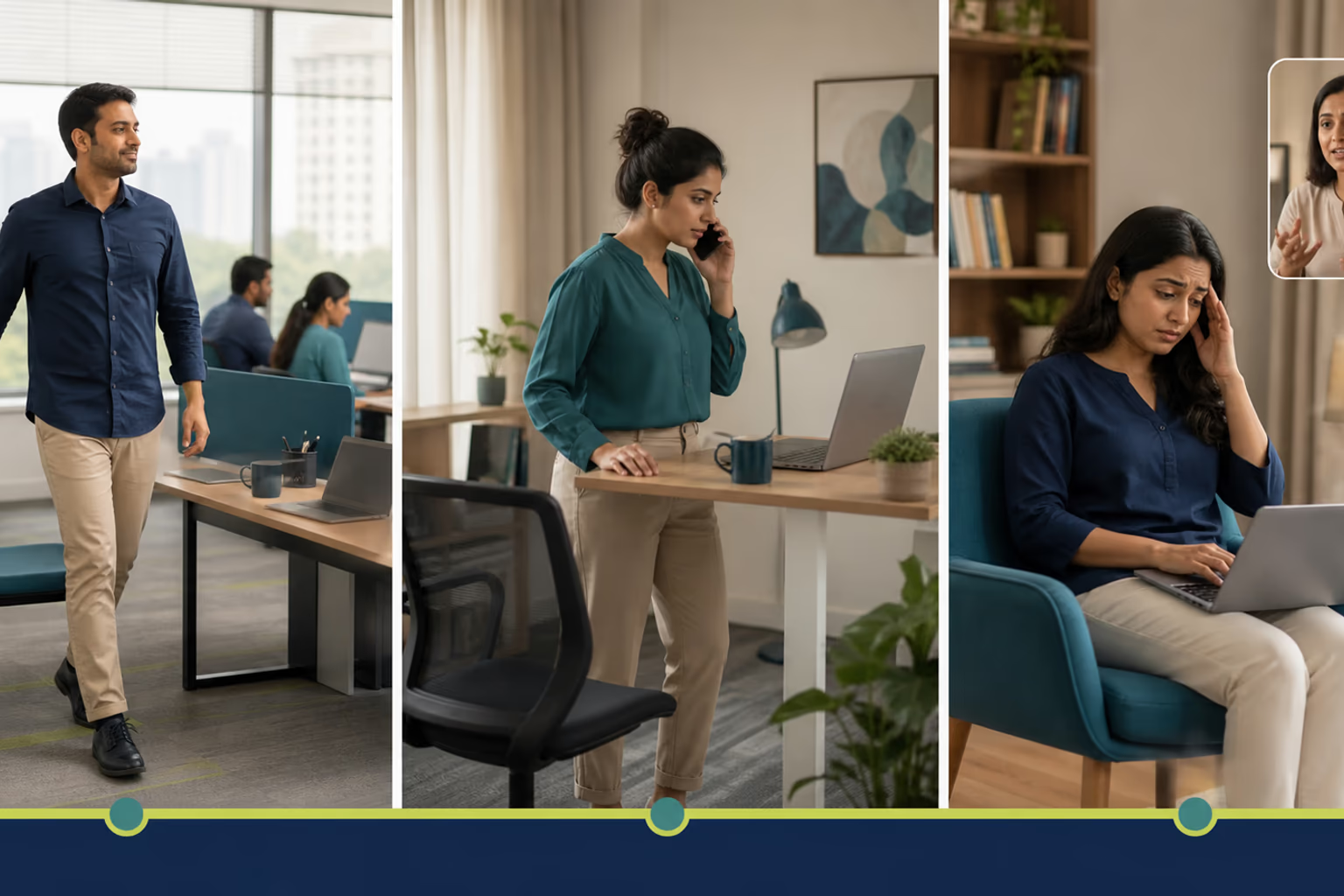
Why small position changes matter
A workstation should support neutral, comfortable positions, but even a good setup should allow regular changes of position. Staying locked in one posture for hours places continuous, static load on specific muscle groups, leading to fatigue and discomfort.
All physical activity counts, any amount is better than none, and adults should limit sedentary time. You do not need a complete workout to counteract this stagnation. Frequent micro-adjustments and brief posture shifts help stimulate circulation and relieve localized pressure. However, Be sure to recognize the limitations of these interventions. Short desk breaks do not replace cardiovascular exercise or a full fitness routine, and they will not instantly reverse chronic postural habits. Changing position frequently requires minor discipline during high-focus tasks, but it offers a realistic bridge between staying completely still and abandoning your workload.
Minimum and normal versions for busy days
To keep movement sustainable on demanding days, adopt a tiered approach based on your available time and mental bandwidth.
| Version | Time Required | Action Focus | Best Used When |
|---|---|---|---|
| Minimum Version | 30 seconds to 1 minute | Brief postural shift, standing up briefly, or adjusting seat height | You are in the middle of a high-stakes task or a live call. |
| Normal Version | 2 to 3 minutes | Seated or standing shoulder rolls, gentle neck turns, and a short walk to fetch water | You have natural pauses between document reviews or emails. |
When executing either version, stop immediately if you feel pain, dizziness, or unusual symptoms. These practices are meant to reduce stiffness, not to push through sharp discomfort.
Deadline day desk movement checklist
Use this structured checklist to guide your movement habits when your schedule is packed:
- Adjust your workstation to support neutral, comfortable positions.
- Take brief, frequent pauses to change your posture or stand up briefly.
- Incorporate small movements that count toward limiting sedentary time.
- Stop immediately if you feel pain, dizziness, or unusual symptoms.
- Explore professional guidance if self-directed breaks need more structure.
Finding structured support when needed
Self-directed desk adjustments and micro-breaks work well for many routine days, but they have clear limits. If a brief desk break is not enough to ease workday stiffness or if you need structured guidance, you can explore professional support and trainer-led options. Prime Tempr helps desk-based readers compare trainers, short practices and nearby classes when self-directed movement breaks need more structure or personal observation. Finding external guidance can help you build sustainable habits that fit your specific workspace constraints and daily responsibilities.
Follow-along reflection
Use the prompts below to review the idea in context, without turning it into a diagnosis or a fixed rule.
Trade-offs to keep in view
- Short desk breaks do not replace cardiovascular exercise or a full fitness routine.
- Changing position frequently requires minor discipline during high-focus tasks.
Questions to carry forward
- Why is staying in one position harmful even with a good workstation?
- How can I incorporate movement into a packed deadline day?
- What is the minimum version of a desk movement break?
- What are the realistic trade-offs of desk-bound movement?
- When should I seek structured personal guidance for desk stiffness?
Keep learning
Ready for the next step? Movement for Desk-Job Days.
Sources
- Computer Workstations (opens in a new tab), OSHA
- Physical activity (opens in a new tab), World Health Organization
Watch alongside this guide
Five movements you can do at your desk
This concise Mayo Clinic demonstration gives readers a visual menu for changing position during a workday. Use only comfortable options and stop for pain, dizziness, numbness or unusual symptoms.
The YouTube player stays unloaded until you choose to watch. Loading it connects to YouTube and may allow that service to process usage data.