How to Support Practice When Hearing or Vision Has Changed
Adapt your home practice with clear lighting, stable physical support, and steady pacing suited to changing sight or hearing.
https://primetempr.com/blog/how-to-support-practice-when-hearing-or-vision-has-changed
When hearing or vision changes, following standard class cues, screen demonstrations, or balance instructions can feel frustrating or unsafe without practical adaptations. Trying to keep up with fast video demonstrations without seeing or hearing spatial cues clearly is a common hurdle. Treating sensory changes as a barrier that stops movement entirely rather than a simple cue to adapt the environment is a frequent misstep. The next step is straightforward: slow down the routine, switch from visual mimicry to clear verbal or tactile cues, secure stable household support, and consult a professional when new challenges arise.
Sensory changes require shifting practice away from visual mimicry or rapid verbal cues toward tactile anchoring, predictable pacing, and qualified guidance that respects current abilities. This guide examines how sensory shifts affect daily movement, offers scalable adjustments for home routines, and highlights how Prime Tempr profiles help families compare age-inclusive trainers, class pace, accessibility experience and online options before choosing responsive support.
Recognizing how sensory shifts affect movement
Changes in sight or hearing influence how you navigate space, maintain balance, and respond to instructions during physical routines. Vision provides vital spatial awareness and helps anchor equilibrium, while hearing delivers rhythm, timing, and directional cues from an instructor. When these senses shift, relying on a fast-paced online video or a crowded class can create unnecessary friction and increase the risk of a stumble.
Yoga styles and demands vary widely, and qualified instruction with appropriate modification can reduce avoidable risk. Older adults benefit from a weekly mix of aerobic, muscle-strengthening, and balance activity matched to their abilities. Rather than forcing a rigid routine that depends on perfect sight or sharp hearing, the goal is to adjust the practice environment so it supports steady, independent movement at home or nearby.
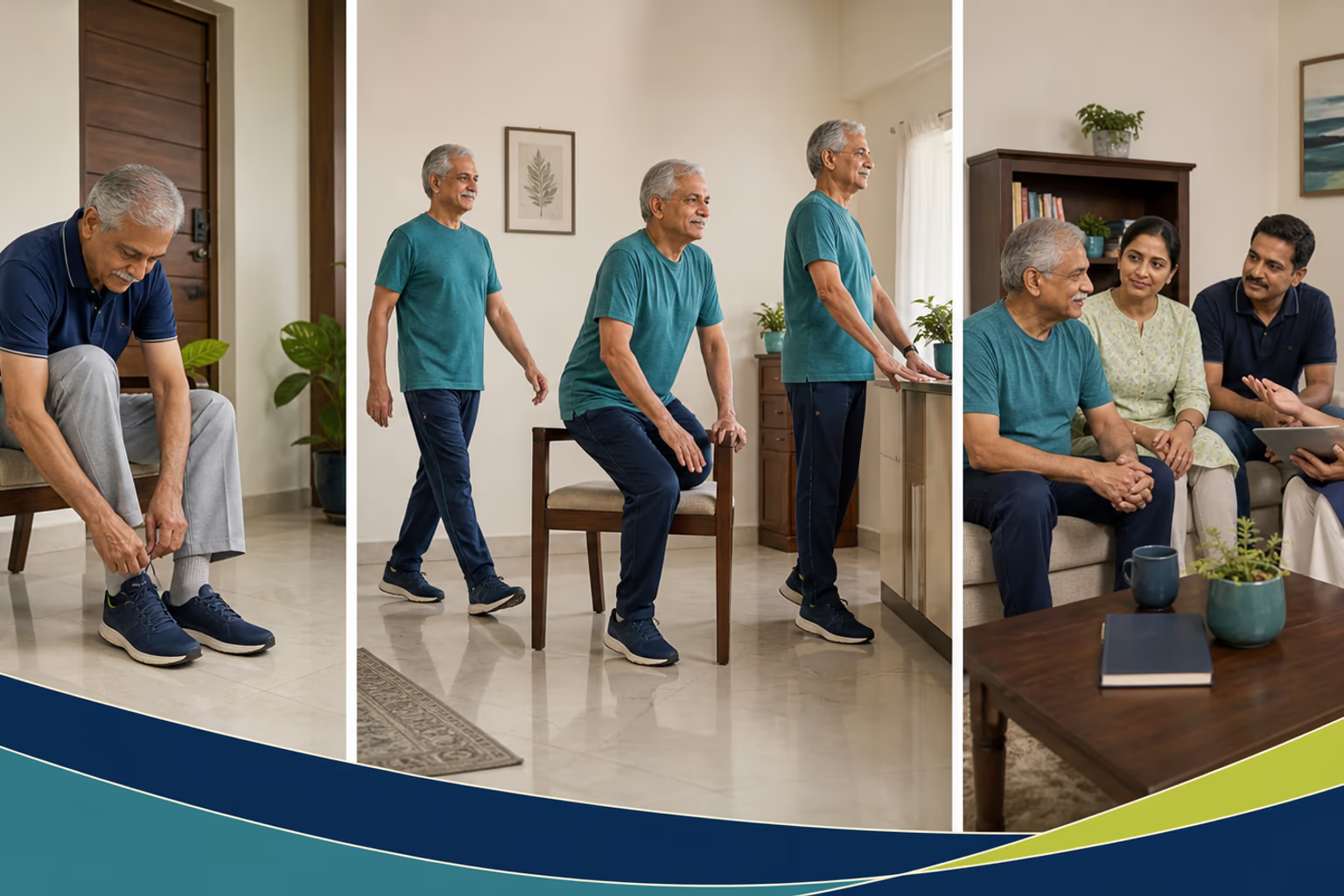
Minimum, normal, and comprehensive practice adjustments
Adapting your practice does not require an entire room remodel. You can scale your approach based on your immediate needs, available time, and household setup.
| Adaptation Tier | What It Involves | Best Used For |
|---|---|---|
| Minimum Version | Adjusting room lighting and placing a sturdy chair within reach. | Quick daily check-ins and simple seated movements. |
| Normal Version | Using audio-first instructor cues, clearing floor clutter, and slowing the transition between poses. | Regular home practice sessions and gentle balance work. |
| Comprehensive Version | Collaborating with an age-inclusive instructor and setting up a dedicated, highly visible practice corner. | Structured weekly routines and progressive strength building. |
Family members can assist without hovering or nagging by helping secure the physical space, managing lighting before the session begins, or helping set up audio equipment so instructions are easy to follow. Independence is preserved when support focuses on the environment rather than micromanaging the movement itself.
Sensory-Inclusive practice check
Review this practical checklist to prepare your practice space safely and comfortably.
- Check room lighting to reduce glare or heavy shadows before starting.
- Position stable household support, like a sturdy wall or heavy chair, within arm's reach.
- Choose audio-first or close-up instructor cues if vision is a primary factor.
- Set a comfortable, unhurried pace that prioritizes stability over repetition count.
When practicing at home, ensure the floor is clear of loose rugs or cords. If balance is unsteady, keep your hand resting lightly on a stable surface during standing poses. Always stop the session if you feel dizzy, fatigued, or disoriented. If new or sudden sensory changes occur, seek clinical assessment from a qualified healthcare provider before continuing strenuous exercise.
Choosing responsive guidance and professional support
Relying solely on home routines may lack external accountability, while group classes require instructors experienced with sensory accommodations. Finding the right external support makes a noticeable difference in long-term safety and enjoyment.
When looking for professional guidance, Prime Tempr profiles help families compare age-inclusive trainers, class pace, accessibility experience and online options before choosing responsive support. Look for teachers who slow down transitions, offer clear verbal descriptions of physical alignment, and welcome questions about how to adapt postures for specific needs.
Follow-along reflection
Use the prompts below to review the idea in context, without turning it into a diagnosis or a fixed rule.
Sensory-Inclusive practice check
- Position stable household support (like a sturdy wall or heavy chair) within arm's reach.
If this approach does not fit
Slow down the routine, switch from visual mimicry to clear verbal or tactile cues, secure stable household support, and consult a professional when new challenges arise.
Questions to carry forward
- How do changing sight or hearing affect everyday movement and balance practice?
- What are the minimum, normal, and comprehensive ways to adapt a home practice?
- How can family members support participation without hovering or nagging?
- When should a trainer or clinical assessment be sought for new sensory or balance challenges?
Keep learning
Ready for the next step? Supporting Active Aging at Home.
Sources
Watch alongside this guide
A 15-minute workout for older adults
This National Institute on Aging routine demonstrates manageable strength and balance pacing. Use stable support and seek assessment for new or concerning changes.
The YouTube player stays unloaded until you choose to watch. Loading it connects to YouTube and may allow that service to process usage data.