How to Stay Within a Yoga Teacher Scope of Practice
Protect your students and professional standing with clear instructional boundaries, safe modifications, and reliable referral workflows.
https://primetempr.com/blog/how-to-stay-within-a-yoga-teacher-scope-of-practice
Yoga teachers frequently face pressure to answer complex medical questions, diagnose pain, or prescribe physical therapy moves during group classes. Yielding to this pressure risks student safety and professional liability. Yoga teachers should teach within their training, experience and competence and refer students to qualified professionals when needs fall outside that scope.
Understanding this boundary protects both the educator and the student. It shifts the focus of a class from trying to fix a clinical issue to offering well-structured, accessible movement that respects individual limitations.
Understanding the Yoga Teacher Scope of Practice
The core boundary of a yoga teacher centers on instruction in movement, breath awareness, and general stress reduction. Certifications in 200 or 500 hour teacher training programs prepare educators to sequence postures, offer general modifications, and create a welcoming group environment. They do not confer a license to diagnose pathologies, treat specific injuries, or act as a physical therapist.
Yoga styles and demands vary; qualified teaching and suitable modifications matter for safety. When a teacher steps outside their training to prescribe rehabilitation exercises or treat chronic pain, they create avoidable risk. Recognizing where instructional expertise ends is the first step toward building a sustainable, ethical teaching practice. You can explore more foundational concepts on Teaching Yoga Well.
Recognizing Where Yoga Ends and Clinical Care Begins
Group classes bring together diverse bodies with varied histories. Students frequently ask instructors to evaluate sharp joint pain, numbness, or lingering surgical recovery issues before class starts.
Navigating these moments requires clear distinctions between normal muscular fatigue and warning signs of injury. General muscle fatigue feels like a dull, burning sensation in working tissue that resolves with rest. Sharp pain, shooting sensations, or localized joint instability indicate a need to stop the movement entirely.
| Student Report | Appropriate Teacher Response | Outside Scope Response |
|---|---|---|
| General muscle tiredness | Offer a resting posture or lighter variation | Prescribe rest intervals for chronic fatigue syndrome |
| Dull tension in the hamstrings | Suggest using blocks or bending the knees | Diagnose a hamstring tear or tendonitis |
| Sharp pain in the lower back | Provide a neutral spine alternative or child pose | Recommend specific spinal adjustments or stretches for a herniated disc |
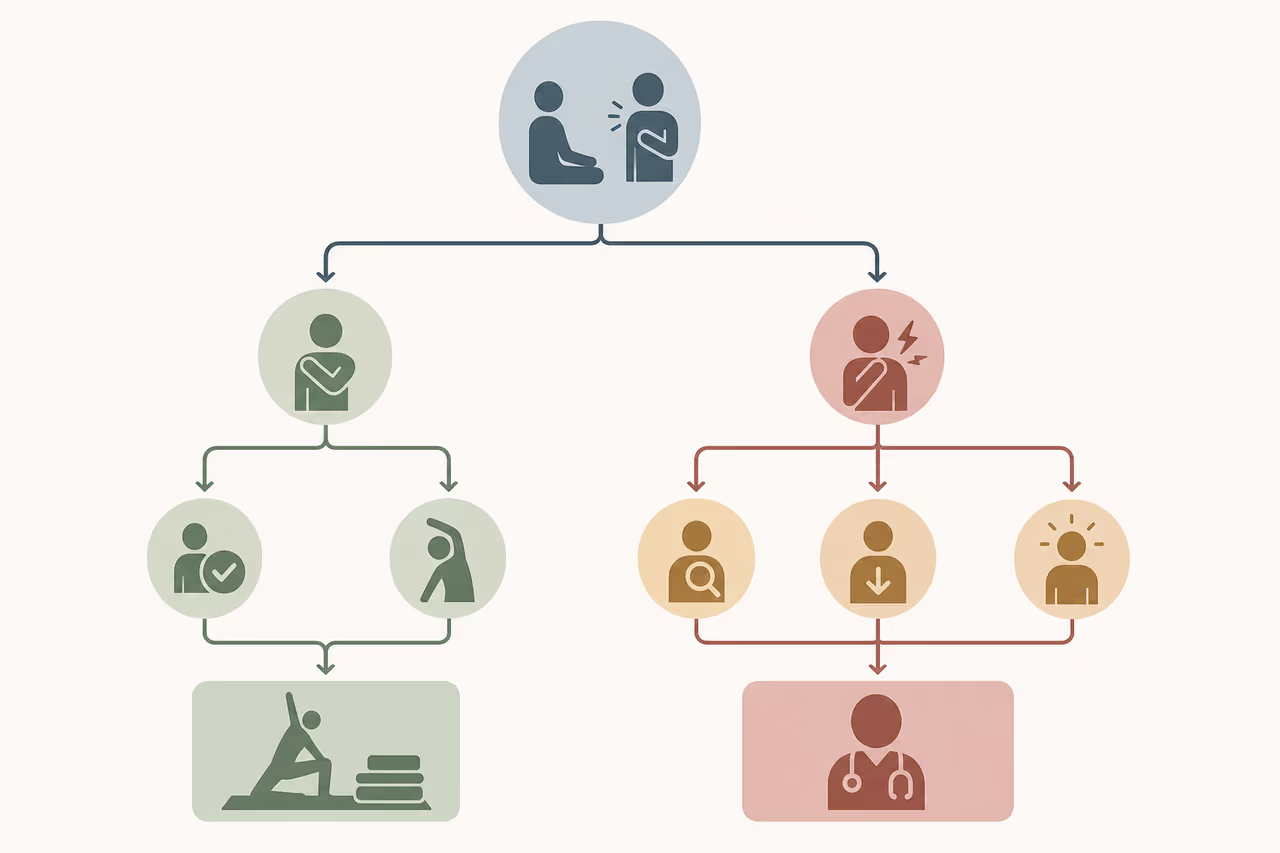
When a student describes acute pain or a diagnosed medical condition that conflicts with the class design, the educator must pivot. Acknowledge the student experience without offering medical advice, offer standard safe postural modifications, and provide a clear recommendation to consult an appropriate licensed professional.
Practical Strategies for Managing Boundaries in Class
Clear communication prevents misunderstandings before they happen. Setting expectations starts with your class descriptions, intake forms, and verbal cues at the start of practice. If a class is designed for general mobility and stress release, state that clearly in the title and description.
When leading postures, always frame instructions around general exploration rather than absolute fixes. Instead of promising that a twist will cure lower back tension, invite students to notice how their bodies respond to gentle rotation and to scale back if anything feels sharp or pinching. This approach aligns with the principles detailed in How to Plan a Yoga Class Around One Clear Outcome.
Setting strict scope boundaries may disappoint students looking for quick injury fixes or clinical therapy during a group class. Managing that disappointment honestly builds deeper long term trust than pretending to hold expertise you do not possess.
Building a Professional Network and Transparent Student Journey
Staying within your scope does not mean leaving students with injuries stranded. The most professional response to a complex student need is a warm referral to a qualified allied health practitioner, such as a physical therapist, chiropractor, or physician. Referring out requires building a local network of trusted allied health practitioners ahead of time so you have reliable names to share.
Transparency in your marketing and business operations reinforces these boundaries. When students understand exactly what your classes offer, they arrive with aligned expectations. Prime Tempr gives teachers a storefront, free practice library and discovery profile where clear offers and responsible teaching information can become a coherent student journey.
Yoga Scope Boundary Checklist
Use this structured checklist to evaluate your teaching boundaries, refine your intake process, and establish reliable referral pathways.
- Review your credentials: Audit your current certifications, continuing education, and core competencies. Ensure your class offerings match your actual training background.
- Standardize intake screening: Draft simple verbal intake questions or intake forms to identify student injuries, surgeries, or medical limitations safely before class begins.
- Establish referral contacts: Identify and connect with local physical therapists, massage therapists, and allied health professionals so you can refer students confidently when clinical needs arise.
- Update public profiles: Review your class descriptions, social media channels, and professional directory listings to ensure your teaching focus is transparent and accurate.
Sources
Watch alongside this guide
An inclusive guide to yoga and meditation
This inclusive introduction gives teachers a concrete example of choice, clarity, and sensory-aware presentation. Source: Autism BC. This optional video is context, not evidence or personal instruction.
The YouTube player stays unloaded until you choose to watch. Loading it connects to YouTube and may allow that service to process usage data.