How to Stay Active During Pilgrimage or Group Travel Without Overdoing It
Balance accumulated walking and standing with sensible pacing so you do not burn out on day one.
https://primetempr.com/blog/how-to-stay-active-during-pilgrimage-or-group-travel-without
Staying active during group travel or pilgrimage is not about maintaining rigid exercise streaks. It is about balancing accumulated walking and standing with sensible pacing so you do not burn out on the first day.
Pilgrimages and group travel involve long hours of walking, standing, or cramped seating in shared transport. These demands often lead travellers to overdo it on day one or abandon movement entirely out of fatigue. Trying to match an intense group pace early on can strain feet and joints, while doing nothing leaves the body stiff.
Prime Tempr helps travellers save online trainers and portable practices that can continue across cities while keeping general movement guidance separate from medical care. You can explore options via Find travel-friendly practice support and read more on Movement for Commutes and Travel.
The group travel trap: why good intentions lead to overexertion
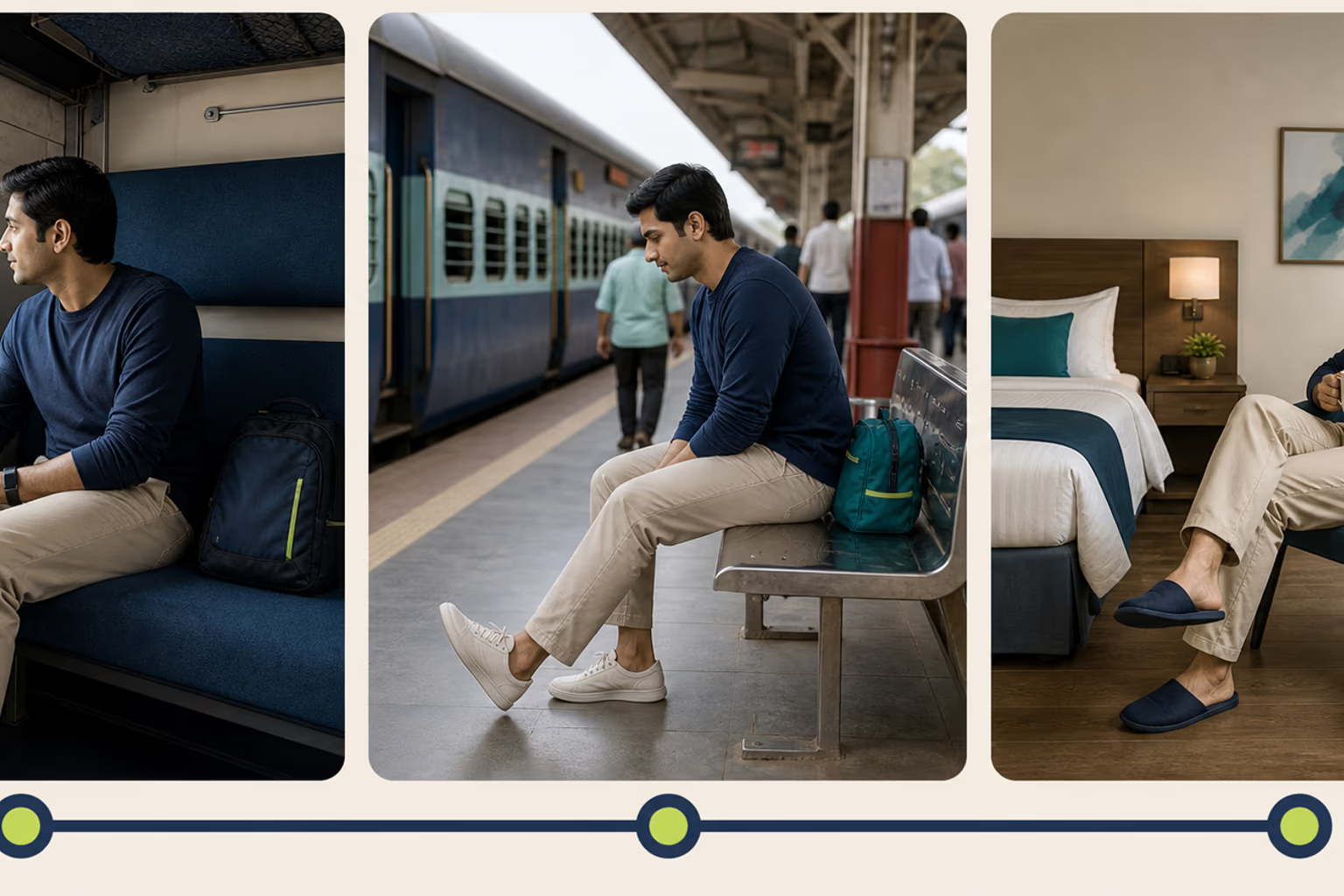
When travelling in a group or undertaking a pilgrimage, the social pressure to keep up can overshadow physical limits. Group itineraries often feature ambitious schedules, early starts, and high-volume walking tours. On the first day, energy is high, and travellers easily push past early signs of tiredness.
By day two, accumulated fatigue sets in. Feet ache, muscles are sore, and the temptation is to either push through the pain or stop moving altogether. Ignoring early signs of physical strain to keep up with group plans often results in forced rest later in the trip. Recognizing this pattern is the first step toward sustainable travel pacing.
Setting a baseline: what the guidelines mean for travel
Public health standards provide a useful anchor when travel disrupts normal routines. Any amount of physical activity is better than none, all activity counts, and muscle strengthening benefits everyone. For healthy adults, official guidelines suggest working toward 150 to 300 weekly minutes of moderate aerobic activity and muscle strengthening on at least two days.
During a pilgrimage, you easily accumulate aerobic minutes through steady walking. However, travel rarely provides structured muscle strengthening or balanced recovery. Treating transit walking and standing as your entire routine without proper rest can deplete your energy reserves. Grounding your travel expectations in the reality that all movement counts helps relieve the pressure to find a gym or run a marathon while away from home.
The minimum, normal and full travel movement versions
To avoid the trap of all-or-nothing thinking, scale your daily activity according to transit demands and current energy levels.
- Minimum Version: On heavy travel days or when group schedules leave no free time, keep movement simple. Do a brief morning stretch in your room or take a light, unhurried stroll near your accommodation. Any movement keeps joints mobile without draining reserves.
- Normal Version: On moderate days, integrate walking tours and exploration naturally, but insert deliberate seated pauses before fatigue peaks. Pair the day with a short online practice guided by saved routines.
- Full Version: On flexible transit days with extra time, dedicate a full session to gentle mobility and muscle strengthening, matching your standard home routine where possible. For structured planning on complex days, consult A Travel Day Plan When Meals, Sleep and Movement All Shift.
Honest trade-offs and knowing when to rest
Pacing your travel movement involves real compromises. Managing your pace may mean missing out on certain group excursions or early-morning temple visits. A simplified travel routine will not build peak fitness, but it preserves energy for the journey.
Distinguishing normal travel tiredness from actual strain is essential. Ordinary muscle fatigue eases with rest and food. Sharp joint pain, localized swelling, or persistent inflammation are signals to stop and seek professional medical evaluation. General movement guidance remains separate from medical care.
Pilgrimage and group travel pacing checklist
Use this structured decision guide to manage your energy across busy travel days.
| Action Step | Purpose | When to Apply |
|---|---|---|
| Cap continuous walking blocks | Prevent sudden joint overload before fatigue sets in. | High-volume temple visits or city walking tours. |
| Keep footwear simple | Avoid blisters and new pressure points. | Every travel day; wear broken-in shoes. |
| Screen for pain vs fatigue | Separate muscular tiredness from injury warning signs. | Evening check-ins after long standing hours. |
| Choose the minimum version | Maintain circulation without burnout. | Heavy transit days or low energy mornings. |
- Cap continuous walking or standing blocks with short seated pauses before fatigue sets in.
- Keep footwear simple and broken-in rather than introducing new shoes on a trip.
- Separate medical symptoms like sharp joint pain from ordinary muscular tiredness.
- Choose a minimum version of movement on heavy travel days, such as a brief morning stretch or light stroll.
Sources
- Physical activity (opens in a new tab), World Health Organization
- Top 10 Things to Know About the Physical Activity Guidelines (opens in a new tab), Office of Disease Prevention and Health Promotion
Watch alongside this guide
Just walk
This American Heart Association overview supports the article's practical focus on ordinary walking. It is context, not a personalized travel or medical plan.
The YouTube player stays unloaded until you choose to watch. Loading it connects to YouTube and may allow that service to process usage data.