How to Stay Active During Cold Dark Months
Maintain movement and energy through winter with indoor adaptations, consistent sleep, and local guidance.
https://primetempr.com/blog/how-to-stay-active-during-cold-dark-months
Shorter daylight and colder weather make it difficult to maintain regular movement and energy. Many people try to continue identical outdoor exercise routines despite ice, freezing temperatures, and early darkness. This often leads to frustration, abandoned habits, and exhaustion. Staying active through cold, dark months means lowering the barrier to movement with indoor adaptations, consistent sleep rhythms, and local guidance, instead of forcing unrealistic summer workout streaks.
Flexibility in routine means progress may be quieter and less intense during winter. This is a healthy adaptation, not a failure. Understanding why energy dips and adjusting expectations helps build a sustainable seasonal practice.
Understanding the Seasonal Energy Dip
Energy levels fluctuate as daylight shortens and temperatures drop. Changes in light exposure influence daily rhythms, making alertness harder during standard morning or evening hours. When outdoor activities become uncomfortable or hazardous, forcing high-intensity summer habits creates unnecessary friction.
Treating consistency as an all-or-nothing streak is a common failure. If a single outdoor run or park workout is canceled due to weather, the entire routine collapses. Recognizing that seasonal transitions require a shift in style and venue preserves baseline activity without burnout.
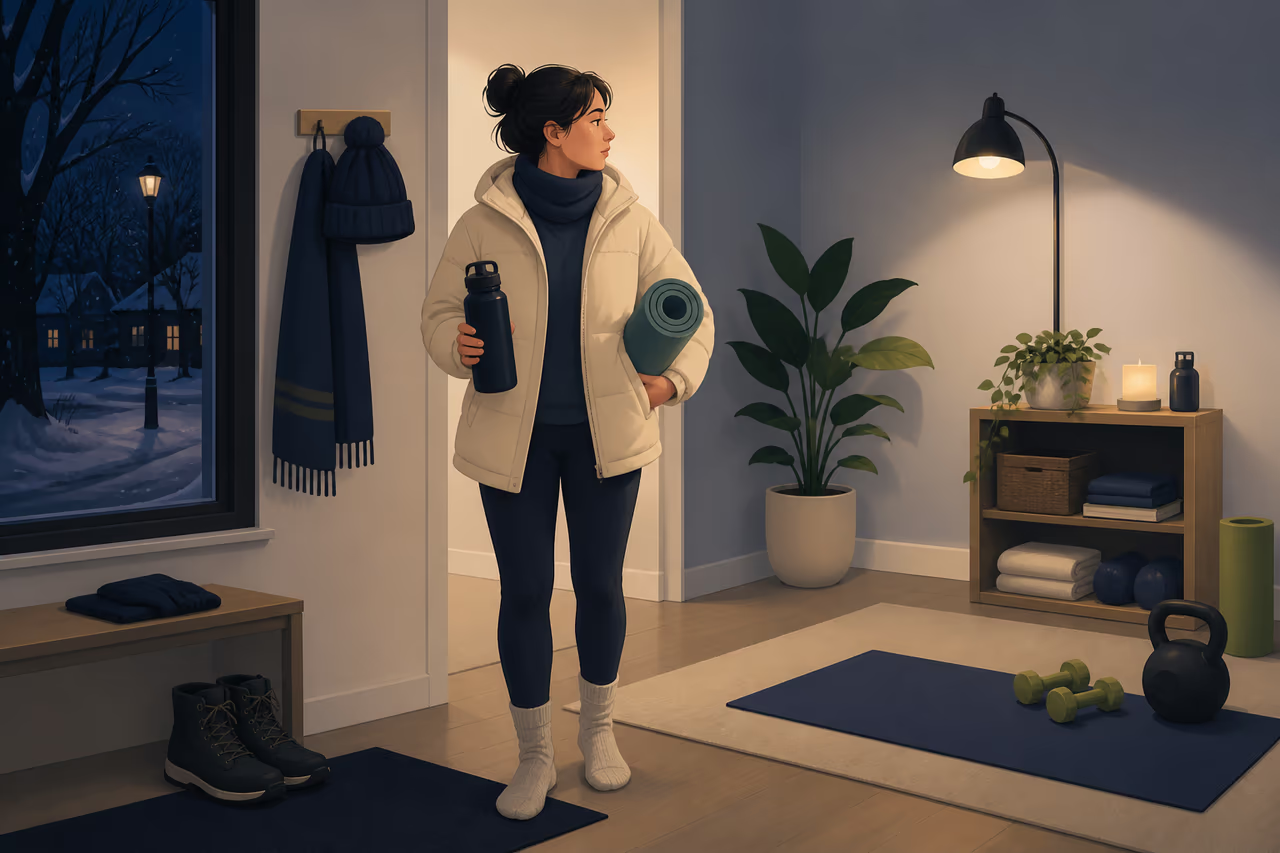
Adapting Movement Indoors
When outdoor habits fail due to weather or darkness, pivot to indoor movement options. Moving practice inside does not sacrifice quality; it simply changes the format. Transition from outdoor walking or running to indoor mobility flows, home yoga sessions, or strength work requiring minimal equipment.
Instead of fighting the weather, redesign your living space to make indoor movement frictionless. Roll out a mat in a room corner, keep props within reach, and shorten sessions if energy feels constrained. Shorter, consistent indoor sessions maintain mobility and circulation better than sporadic, high-intensity workouts that leave you drained.
Supporting Sleep and Recovery
Physical energy during dark months ties closely to rest and recovery. Consistent schedules, daytime activity, and a calmer sleep environment can support sleep even as daylight and routines change. When the sun sets early, lingering in artificial light late into the evening disrupts natural wind-down signals.
Protecting rest requires active management of your sleep environment. Keep your bedroom cool and dark, establish a fixed wake-up time regardless of gloomy weather, and incorporate gentle daytime movement to signal alertness. Good sleep quality is the foundation for any physical practice you maintain.
Nourishing Your Winter Routine
Colder weather often shifts appetite and dietary desires. A varied diet can be built from locally available foods, while exact choices depend on context, culture and individual needs. Instead of rigid seasonal cleanses or restrictive rules, focus on nourishing meals that are locally accessible and comforting.
Pairing simple, nutrient-dense meals with adequate hydration supports vitality during months when indoor heating can cause subtle dehydration. Food should support movement, not add another layer of stress to your daily schedule.
Finding Local and Guided Support
Practicing alone in a cold, dark room tests motivation. Seeking external structure bridges the gap between intention and action. Prime Tempr helps readers find local studios, online teachers, and trainer-shared practices that make broad seasonal ideas workable in their setting.
Whether you join a neighborhood studio for warm, community-driven classes or connect with an online teacher who guides you through mobility work, outside accountability transforms winter isolation into shared momentum. Explore options on Find yoga near you or connect with instructors via Find a yoga teacher.
Your Cold-Weather Movement Checklist
Use this decision guide to assess your routine and make proportionate adjustments as winter deepens.
- Audit your current schedule: Identify safe indoor movement windows that fit your daily responsibilities without requiring extreme early-morning exertion in the dark.
- Stabilize your rest: Set a consistent sleep and wake schedule to support natural energy rhythms despite the absence of morning sunlight.
- Adapt your nutrition: Incorporate locally available, varied foods to nourish your winter routine without complicated dietary rules.
- Connect with guidance: Explore Build a practice for this season to find local studios or online teachers who can keep your practice engaging and sustainable.
Safety and Scaling: If managing chronic health conditions or recovering from injury, scale movement intensity down and consult a qualified healthcare professional before new routines. Stop any practice immediately if sharp pain or dizziness occurs. Static guidance cannot replace personalized medical advice.
Sources
Watch alongside this guide
A flexible home yoga practice
Use this adaptable session as a practical example of scaling movement to the day, weather, and energy available. Source: Yoga With Adriene. This optional video is context, not evidence or personal instruction.
The YouTube player stays unloaded until you choose to watch. Loading it connects to YouTube and may allow that service to process usage data.