How to Move Discreetly While Waiting at a Railway Station
Use subtle posture shifts and short platform walks to break up long station waits without drawing unwanted attention.
https://primetempr.com/blog/how-to-move-discreetly-while-waiting-at-a-railway-station
Waiting at a crowded railway station often means hours of sitting on hard benches or standing in slow-moving queues while guarding heavy bags. Long periods of static posture leave your legs feeling heavy and your back stiff before your journey even begins. Travellers stuck waiting need gentle, practical movement options without drawing unwanted attention or getting in the way of other passengers. Small, inconspicuous shifts in posture and short bouts of walking while waiting at a railway station help break up long periods of sitting without drawing attention or compromising travel safety.
Why station waiting time matters for movement
Any amount of physical activity is better than none, all activity counts, and muscle strengthening benefits everyone. Public terminals do not offer gym equipment or quiet studio floors, but transit waiting time is still time you can reclaim. Adults can work toward 150 to 300 weekly minutes of moderate aerobic activity and muscle strengthening on at least two days, and accumulating small bouts of movement throughout a travel day contributes to this broader picture. Breaking up prolonged sitting helps maintain physical comfort during transit, provided you remain aware of your surroundings and keep your belongings secure.
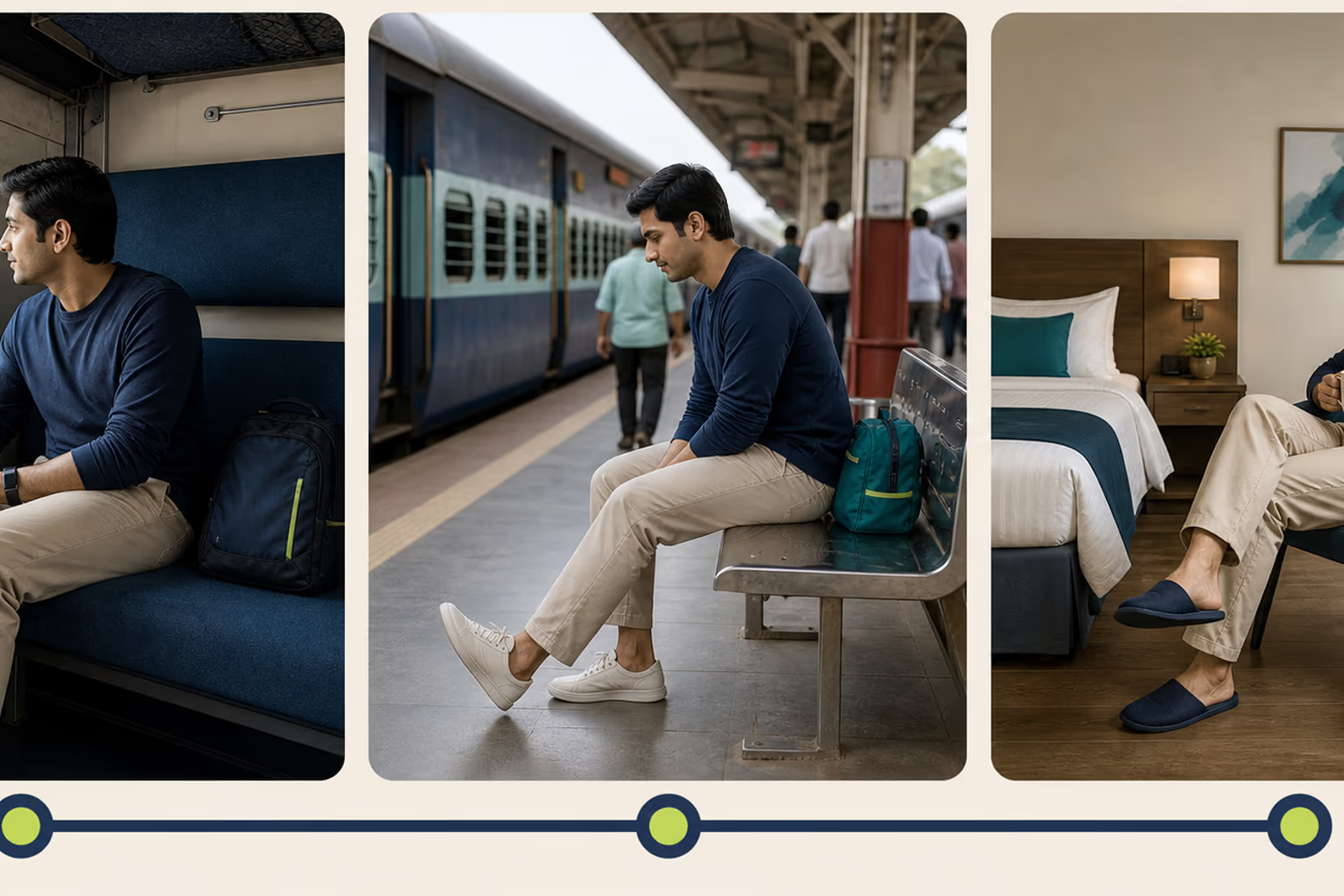
Minimum version: subtle shifts and seated resets
When platforms are packed and walking is out of the question, you can still prevent physical stagnation using micro-movements.
- Seated posture adjustments: Sit tall on the edge of the station bench with your feet flat on the floor. Alternate between gently arching and rounding your lower back to relieve stiffness.
- Ankle circles: While seated or standing still, lift one heel slightly and rotate the ankle in slow circles five times in each direction, then switch sides.
- Weight shifts: If standing in a queue, gently transfer your weight from your left foot to your right foot, noticing the subtle engagement in your calves and thighs without swaying visibly.
These micro-movements require zero floor space and keep your body active while blending entirely into the background of a busy station hall.
Normal version: short platform walks and luggage safety
When train delays stretch on and platform space opens up, short bouts of walking become practical.
- Compact pacing: Choose a clear, unobstructed stretch of the platform and walk at a steady, moderate pace for two to three minutes.
- Luggage protocol: Never leave your bags unattended. If you are travelling alone, keep smaller bags strapped across your body and roll your primary suitcase with you, or keep all luggage firmly positioned between your feet if pacing in place.
- Posture check: Keep your shoulders relaxed, your gaze forward, and your breath steady as you move.
Public spaces limit how much space and equipment you can use, and station delays or luggage safety always take priority over an impromptu movement routine. Prime Tempr helps travellers save online trainers and portable practices that can continue across cities while keeping general movement guidance separate from medical care. You can Find travel-friendly practice support to maintain consistency once you reach your destination.
Trade-offs, limits, and safety boundaries
Be sure to recognize the strict boundaries of public terminal movement. Trying to perform conspicuous mat exercises or stretching sequences in a crowded waiting hall draws unwanted attention and creates bottlenecks for other passengers. General movement guidance is not a medical fix for severe circulation issues or travel-related medical conditions. If you feel dizzy, experience sharp pain, or notice concerning physical discomfort, stop immediately and rest. If a crowded station prevents you from walking freely, scale back to stationary weight shifts, seated posture resets, or ankle circles while keeping your bags secure.
Discreet station movement checklist
- Keep bags secure between your feet or in hand while shifting weight.
- Take a short, steady walk along the platform if space permits.
- Perform subtle ankle rolls and gentle seated posture adjustments.
- Stop immediately if you feel dizzy or notice any concerning physical discomfort.
- Save portable practice support for your destination.
For additional guidance on staying active during transit, explore Movement for Commutes and Travel.
Follow-along reflection
Use the prompts below to review the idea in context, without turning it into a diagnosis or a fixed rule.
Trade-offs to keep in view
- Public spaces limit how much space and equipment you can use.
- Station delays and luggage safety always take priority over an impromptu movement routine.
Questions to carry forward
- Why is moving while waiting at a railway station useful?
- What counts as discreet movement in a busy public terminal?
- How can I manage movement while keeping an eye on luggage?
- What are the practical trade-offs and limits of public terminal movement?
- Where can I find travel-friendly practice support?
Sources
- Physical activity (opens in a new tab), World Health Organization
- Top 10 Things to Know About the Physical Activity Guidelines (opens in a new tab), Office of Disease Prevention and Health Promotion
Watch alongside this guide
Just walk
This American Heart Association overview supports the article's practical focus on ordinary walking. It is context, not a personalized travel or medical plan.
The YouTube player stays unloaded until you choose to watch. Loading it connects to YouTube and may allow that service to process usage data.