How to Make a Daily Walk Feel Safer Without Losing Independence
Improve daily walking safety through practical environmental adjustments and balance support while fully preserving your personal autonomy and freedom.
https://primetempr.com/blog/how-to-make-a-daily-walk-feel-safer-without-losing-independe
Improving walking safety does not require wrapping an older adult in restrictions or taking away the freedom of stepping outside. When a daily walk starts to feel uncertain or risky, well-meaning family members often push to take over completely, reducing the outdoor routine to zero out of fear. That approach causes friction because it feels like a sudden loss of autonomy and control.
Instead of heavy-handed limitations, preserving independence relies on small environmental tweaks, stable balance support, and ability-led pacing. A secure walk protects both physical well-being and personal dignity, allowing older adults to maintain their routines on their own terms.
Balancing safety and autonomy in daily movement
The primary tension in supporting an older adult movement is the desire to prevent slips while respecting personal agency. Taking over completely and removing the independent walk altogether creates frustration and reduces overall physical activity. A better path involves identifying specific friction points along a regular route, such as uneven paving stones, dim lighting, or long stretches without a place to rest.
Families can address these risks collaboratively rather than authoritatively. Walking together to inspect a route or discussing preferred support levels keeps communication open. If an outdoor walk feels too daunting on a given day, scale back to a shorter indoor route or a guided balance and strength routine with stable support before trying again.
Matching movement to current ability and environment
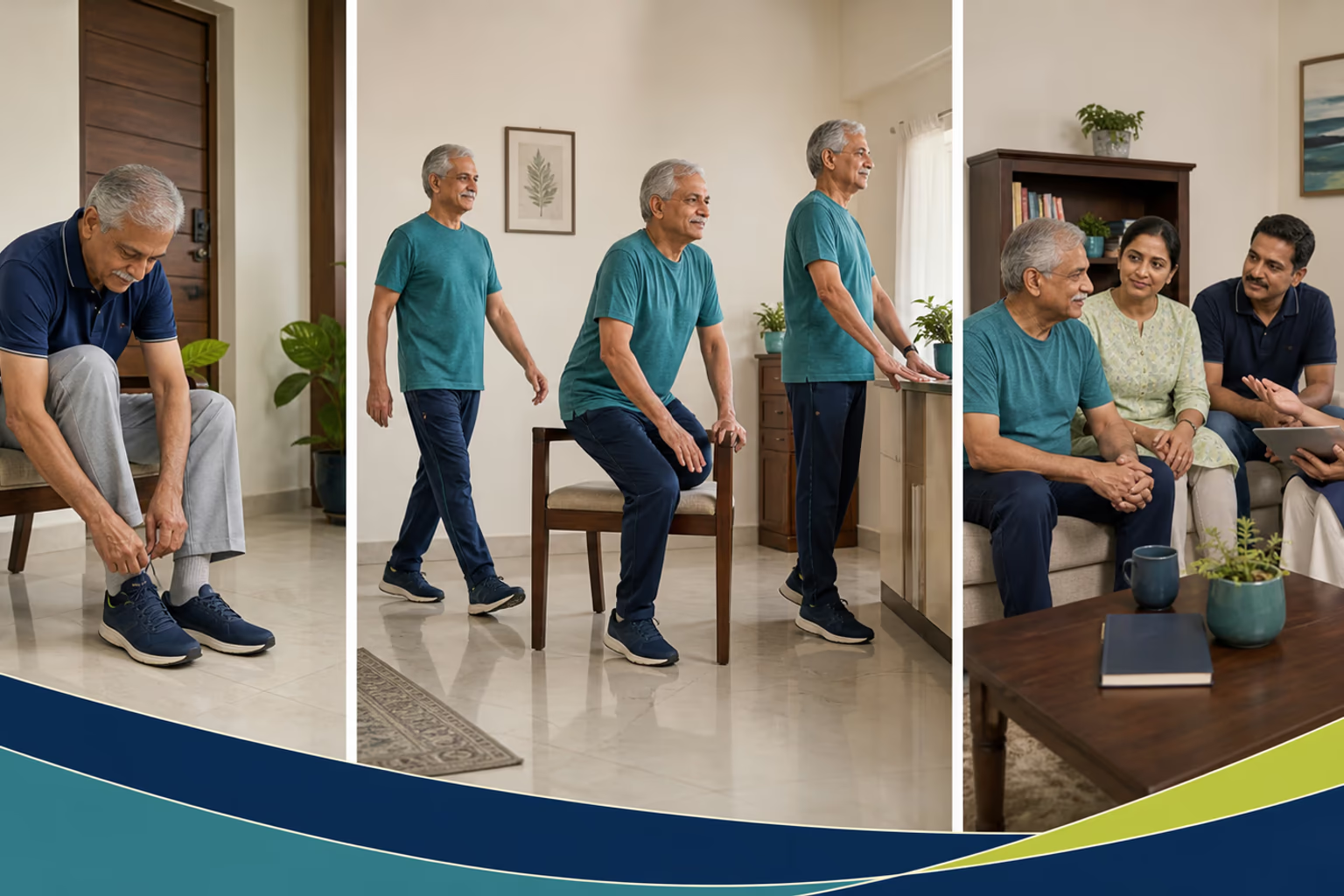
Physical stability forms the bedrock of walking confidence. Older adults benefit from a weekly mix of aerobic, muscle-strengthening and balance activity matched to their abilities. These elements work together to improve posture, reaction time, and lower-body strength, which directly reduces the likelihood of stumbling.
| Activity Type | Primary Benefit for Walking | Practical Example |
|---|---|---|
| Aerobic | Builds stamina for longer outings | Regular daily walking at a comfortable pace |
| Muscle-Strengthening | Supports hips, knees, and ankles | Gentle bodyweight squats holding a sturdy chair |
| Balance | Enhances stability on uneven surfaces | Heel-to-toe standing or gentle yoga poses with wall support |
Rigid exercise routines that ignore changing daily energy and weather often lead to burnout or injury. Pacing should adapt to how the body feels on a specific morning. When weather conditions or fatigue make outdoor paths treacherous, shifting to indoor movement prevents avoidable setbacks while maintaining the habit of daily physical engagement.
Prime Tempr profiles help families compare age-inclusive trainers, class pace, accessibility experience and online options before choosing responsive support. Yoga styles and demands vary; qualified instruction and appropriate modification can reduce avoidable risk. Exploring these options ensures that guidance matches the individual rather than forcing a one-size-fits-all template.
Safe walking and autonomy checklist
Use this structured checklist to evaluate and refine daily walking routines without compromising personal independence:
- Assess current route: Check the regular walking path for lighting, pavement condition, and available rest stops.
- Review footwear: Wear supportive, stable footwear designed specifically for daily walking and traction.
- Integrate balance work: Add basic balance and strength activities that match your current abilities to support walking stability.
- Keep communication open: Talk regularly with family members about preferred support levels and any emerging challenges.
- Seek professional assessment: Consult a healthcare provider or qualified instructor for any new or concerning changes in stability or dizziness.
Modifying routes or shortening walks may feel frustrating initially compared to past routines. Professional trainer support or balance classes also require an investment of time and financial resources. However, acknowledging these trade-offs helps families navigate the transition smoothly. When a change in walking stability becomes persistent or is accompanied by dizziness, prompt clinical check-ins ensure that underlying issues are addressed safely.
Follow-along reflection
Use the prompts below to review the idea in context, without turning it into a diagnosis or a fixed rule.
Safe walking & autonomy checklist
- Assess current route for lighting, pavement condition, and rest stops
- Wear supportive, stable footwear designed for daily walking
- Integrate basic balance and strength activity matching your current abilities
- Keep communication open with family members about preferred support levels
- Seek professional assessment for any new or concerning changes in stability
Trade-offs to keep in view
- Professional trainer support or balance classes require time and financial investment.
Questions to carry forward
- How can I make my daily walk safer without asking for constant help?
- What role do balance and strength play in preventing walking slips?
- How do I choose a walking route that matches my current energy and environment?
- When should a change in walking stability prompt a clinical check or professional support?
Keep learning
Ready for the next step? Supporting Active Aging at Home.
Sources
Watch alongside this guide
A 15-minute workout for older adults
This National Institute on Aging routine demonstrates manageable strength and balance pacing. Use stable support and seek assessment for new or concerning changes.
The YouTube player stays unloaded until you choose to watch. Loading it connects to YouTube and may allow that service to process usage data.