How to Dress in Layers for Outdoor Movement
Learn how to dress in flexible layers for outdoor movement by balancing local weather, personal comfort, and daily routines effectively.
https://primetempr.com/blog/how-to-dress-in-layers-for-outdoor-movement
Moving outdoors across changing weather often leads to overheating or chilling because universal clothing tips ignore personal context and local conditions. Standard layering guides fail in everyday outdoor movement because they rely on rigid formulas instead of acknowledging that individual comfort, local climate, and daily activity levels vary widely. Effective outdoor movement layering is contextual rather than absolute, balancing local weather, personal comfort, and daily routines.
A varied approach to outdoor habits can be built from locally available options, while exact choices depend on context, culture and individual needs. When you step outside for a walk, a run, or a mindful movement session, static rules about how many garments to wear rarely survive your first ten minutes of activity. Your body generates heat quickly once movement begins, meaning that a combination that feels comfortable at a standstill can quickly cause trapped moisture and overheating.
Understanding Outdoor Movement Layers
Layering for outdoor movement requires a shift away from fixed clothing rules toward adaptable systems. Instead of treating warmth as a single static metric, consider how different layers interact with your skin, the surrounding air, and your personal energy levels.
A varied approach to outdoor habits can be built from locally available options, while exact choices depend on context, culture and individual needs. This means your layering strategy should reflect what is accessible in your wardrobe and appropriate for your specific regional climate. Rather than buying specialized gear for every minor temperature drop, focus on garments that can be easily added, removed, or adjusted as your body warms up or the wind picks up.
Balancing Comfort and Weather Changes
Maintaining outdoor routines requires adapting to shifting daylight, temperature drops, and changing energy levels across the year. Consistent schedules, daytime activity and a calmer environment can support wellbeing even as daylight and routines change.
When your daily schedule shifts, your tolerance for cold or heat may also change. For instance, an early morning walk in brisk autumn air demands different considerations than a midday movement session under direct sunlight. Overdressing for mild movement traps excessive heat, while underdressing can cause you to cut your practice short. The goal is to build flexibility into your routine so that changing weather does not interrupt your consistency.
Finding Local Guidance and Support
Translating broad seasonal advice into a workable daily habit often benefits from community connection and expert insight. Prime Tempr helps readers find local studios, online teachers and trainer-shared practices that make broad seasonal ideas workable in their own setting.
Local teachers and community resources understand regional weather patterns, humidity, and wind factors that generic online guides miss. Consulting with a local instructor or joining a community movement group can help you calibrate your gear and expectations for your specific environment. More versatile layering pieces can require extra adjustment during a session, and universal guides cannot replace local trial and error for individual comfort. Embracing this trial and error is part of building a sustainable, long-term outdoor practice.
Seasonal Layering Check-In
Use this practical decision guide before heading out for your next outdoor movement session to ensure your layers match your current conditions.
- Assess local temperature and wind conditions before heading out to understand how the environment will feel during movement.
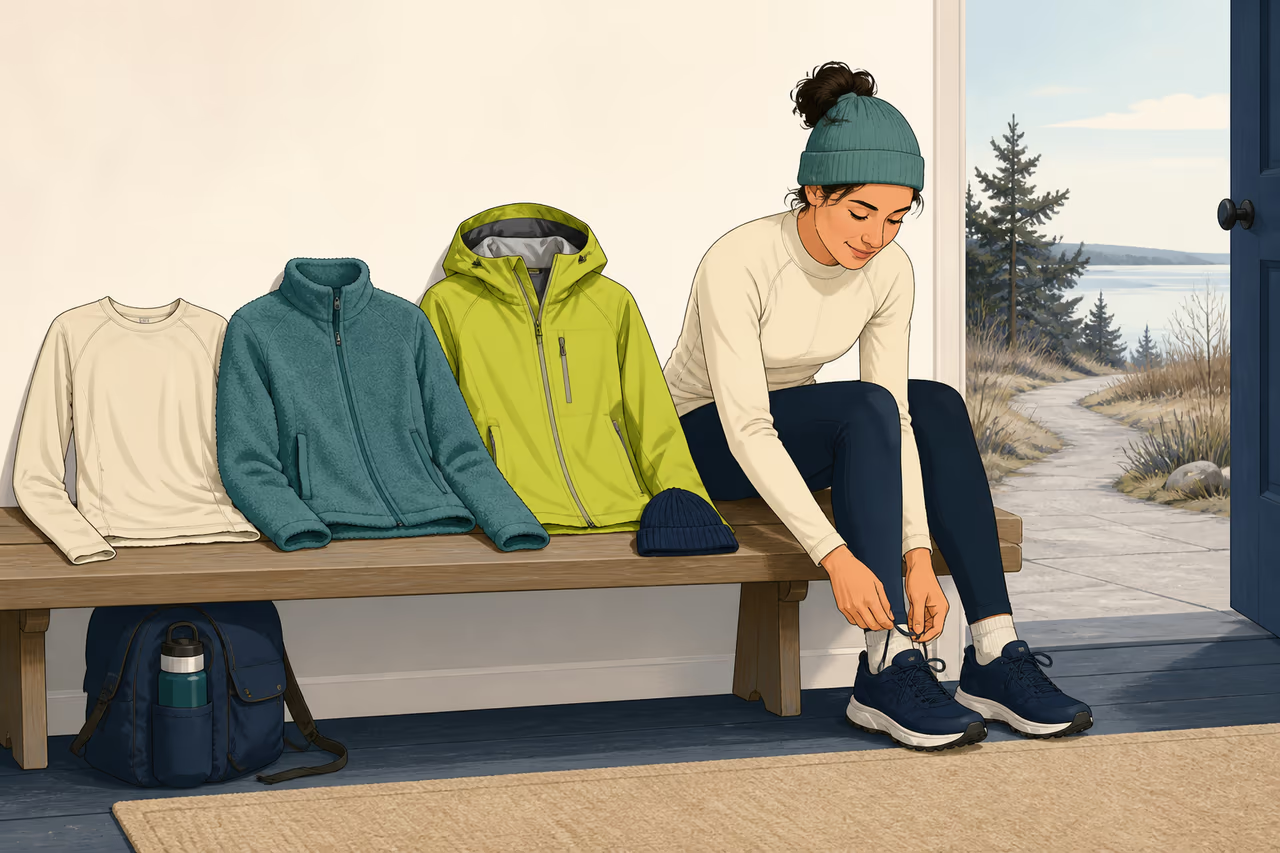
- Select a breathable base layer that supports active movement and helps manage moisture against your skin.
- Keep an adjustable mid-layer handy for temperature drops, sudden shade, or periods of rest.
- Check local resources or trainers for seasonal adjustment tips tailored to your specific regional climate.
Continue with guidance
Use this article as orientation, then Build a practice for this season when you want responsive guidance or a practice format matched to you.
Sources
Watch alongside this guide
A flexible home yoga practice
Use this adaptable session as a practical example of scaling movement to the day, weather, and energy available. Source: Yoga With Adriene. This optional video is context, not evidence or personal instruction.
The YouTube player stays unloaded until you choose to watch. Loading it connects to YouTube and may allow that service to process usage data.