How to Build a Screen-Free Wind Down That Lasts
Design a sustainable evening buffer to signal your body that it is time to rest, without demanding digital perfection.
https://primetempr.com/blog/how-to-create-a-screen-free-wind-down-that-actually-lasts
A screen-free wind down does not require total digital abstinence or flawless sleep hygiene every single night. Instead, it involves building a consistent, low-stimulation buffer that signals to your body that the daily demands have ended and it is time to transition into rest.
If you feel overstimulated by screens in the evening, you are not alone. Many people find that the constant engagement required by digital devices interferes with their ability to settle down. The goal of a screen-free transition is not to add another "task" to your to-do list, but to carve out a small, manageable space for your nervous system to recalibrate.
Why the screen-free transition matters
The primary reason to consider a screen-free wind down is to reduce the cognitive and sensory load that keeps us in a state of high alert. Consistent schedules, a quiet dark room, daytime activity, and calmer pre-bed routines can support sleep. When we spend our final waking hours consuming information, responding to notifications, or navigating high-contrast digital interfaces, we often inadvertently keep our minds engaged in "problem-solving mode."
This buffer gives your brain a clear cue that the input phase of your day is finished. Perfection is not required; an occasional screen use does not undo the progress of the nights you unplug. Prioritize consistency over intensity.
Designing your low-stimulation buffer
Building a sustainable routine starts small. Overhauling your entire evening at once often leads to abandoning the practice when life gets busy. Instead, select one or two non-digital activities that you genuinely enjoy.
Relaxation approaches include breathing, guided imagery, and progressive relaxation; they should not replace conventional care. Here are several ways to incorporate these into your evening:
- Physical movement: Gentle, restorative movement can help release the physical tension accumulated throughout the day. This is not about a high-intensity workout, but rather slow, mindful stretches.
- Breathwork: Simple, rhythmic breathing can be a powerful tool to shift your focus inward. You might explore Slow Breathing for Sleep: A Practical Guide to learn specific techniques that support relaxation.
- Analog engagement: Reading a physical book, writing in a journal, or simply tidying your space for five minutes can provide a clear mental break from the digital world.
Practical trade-offs and realistic expectations
A screen-free routine requires intentional planning and can feel inconvenient in a digital-first world. You might miss the convenience of a quick search or a streaming service. These are real trade-offs to keep in mind.
Expectations of immediate results are common, but changing evening habits is a gradual process. You may not notice a dramatic difference after just one screen-free night. These routines offer cumulative support for sleep hygiene rather than replacing conventional medical care for persistent sleep disorders. Anyone struggling with chronic sleep issues should consult a healthcare professional, as self-guided relaxation techniques do not substitute for medical diagnosis or treatment.
Your 15-Minute Screen-Free Wind Down
When you are unsure where to begin, use this simple framework. You can adjust the timing to fit your life while keeping the structure intact.
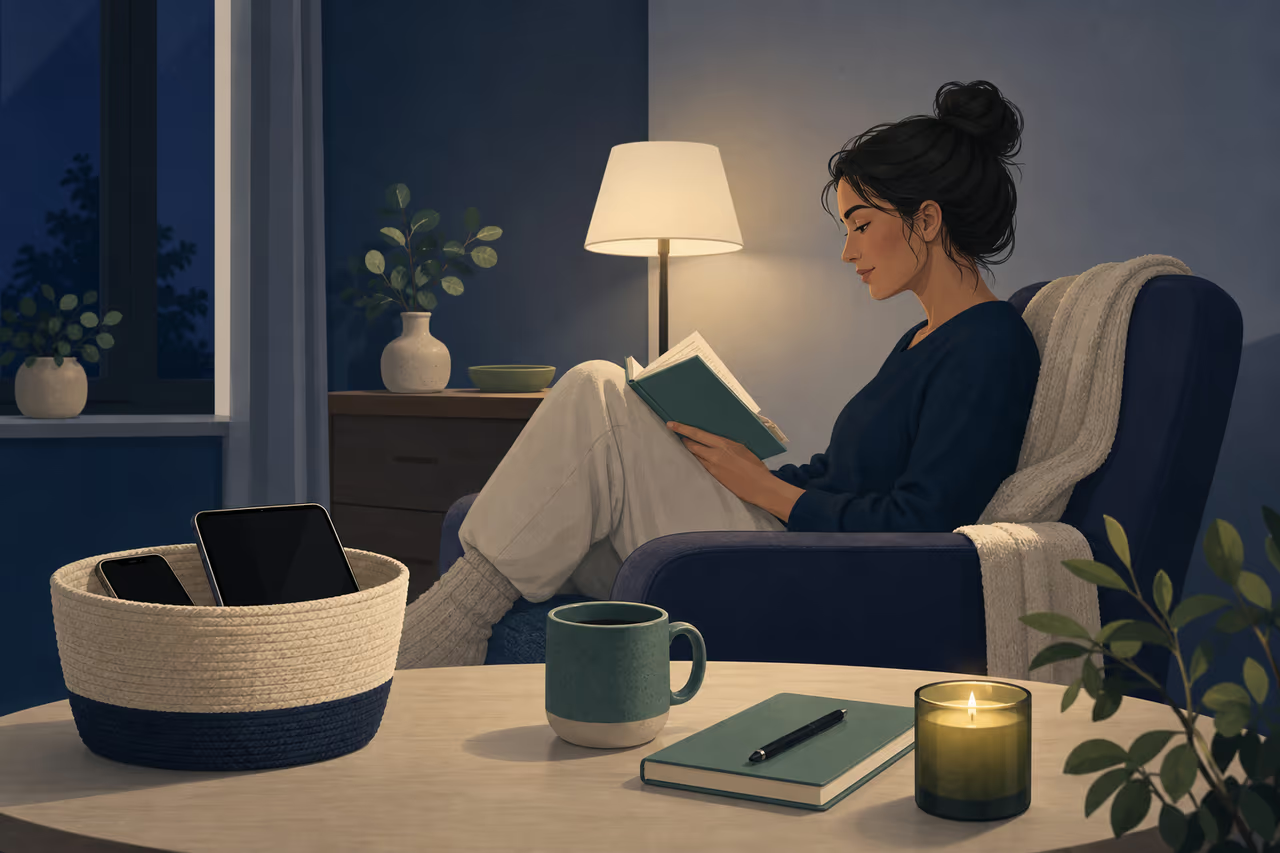
- Set a 'digital sunset' alarm: Choose a time 30 minutes before you intend to sleep. When the alarm goes off, place your devices in another room or a designated charging station.
- Choose one low-stimulation activity: Commit to just one: reading a physical book, light stretching, or five minutes of quiet reflection.
- Prepare your environment: Dim the lights in your living space. This simple shift in lighting can help signal to your body that the day is winding down.
- Practice mindful breathing: Spend five minutes focusing on the sensation of your breath. If your mind wanders to your to-do list, gently bring your attention back to the rhythm of your inhale and exhale.
- Reflect on one positive: Before you close your eyes, identify one thing that went well today. This helps shift your focus away from the stressors that often dominate our digital interactions.
If this feels overwhelming, scale back your goals. Even five minutes of intentional, screen-free time counts as a success. Consistency remains the most vital factor for building a lasting habit.
When to seek professional support
While relaxation techniques help many people, they are not a cure-all. If you experience persistent trouble falling or staying asleep, or if sleep issues affect your daily functioning, reach out to a medical professional. Prime Tempr helps readers find restorative yoga, meditation, and trainer-led support, keeping this educational content separate from medical care or personalized diagnosis. A professional can help determine if underlying issues require more than lifestyle adjustments.
Next steps for your practice
Once a basic routine is established, professional guidance can help deepen your practice. Working with a teacher provides personalized instruction on movement and breathwork tailored to your specific needs.
Whether you want a gentle restorative yoga class to unwind or a meditation teacher to guide your evening practice, resources are available to help you find the right support.
Explore restorative guidance to see how trainer-led practice can complement your screen-free wind down.
Sources
- Heart-Healthy Living: Get Enough Good-Quality Sleep (opens in a new tab) – National Heart, Lung, and Blood Institute.
- Relaxation Techniques: What You Need To Know (opens in a new tab) – National Center for Complementary and Integrative Health.
Watch alongside this guide
Stress management
Use this concise Mayo Clinic explainer alongside the article's practical steps for stress, sleep, and recovery. Source: Mayo Clinic. This optional video is context, not evidence or personal instruction.
The YouTube player stays unloaded until you choose to watch. Loading it connects to YouTube and may allow that service to process usage data.