How to Clean and Care for a Yoga Mat Without Overcomplicating It
Maintain your yoga mat safely using simple, effective steps that preserve surface grip and prevent material damage.
https://primetempr.com/blog/how-to-clean-and-care-for-a-yoga-mat-without-overcomplicatin
Regular, simple cleaning preserves your yoga mat surface grip and longevity without requiring specialized or expensive chemical products. Many practitioners struggle with how to maintain their equipment without ruining natural rubber, polyurethane, or PVC materials. Using harsh household bleach or abrasive scrubbers quickly degrades these surfaces, while rolling up a damp mat fosters mold and bacteria growth. Understanding proper maintenance ensures your gear supports safe, comfortable participation rather than creating a barrier to beginning your practice.
Why routine mat care matters
Yoga styles and physical demands vary; appropriate modification and qualified instruction can reduce avoidable risk. Along with physical safety, keeping your equipment clean maintains the traction you need during standing poses and balances. Sweat, skin oils, and dust accumulate on the surface during every session. Left unattended, this buildup breaks down the material and makes the mat slippery.
Activity can take many forms and settings, so clothing and equipment should support safe, comfortable participation rather than create a barrier to beginning. A well-maintained mat provides reliable traction in various environments, whether you practice at home, outdoors, or in a shared studio.
A simple cleaning routine for everyday use
You do not need harsh chemical sprays or expensive commercial cleaners to keep your mat hygienic. A mild mixture of warm water and a single drop of gentle dish soap is enough for most regular maintenance.
To clean your mat effectively, follow these steps:
- Lay the mat flat on a clean, dry surface.
- Dampen a soft cloth or sponge with your warm water and soap mixture, wringing it out thoroughly so it is only slightly moist.
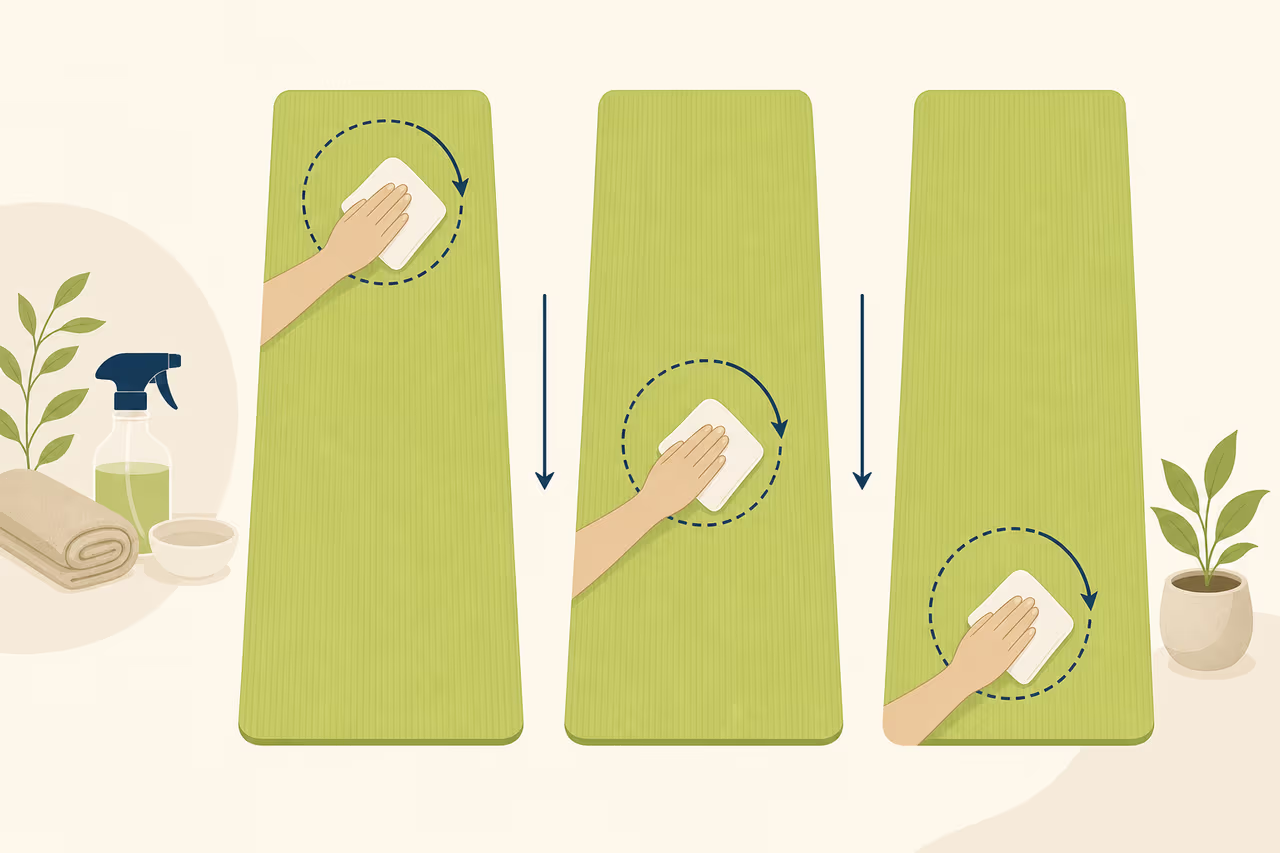
- Wipe the surface using light, circular motions, starting from the center and working your way toward the edges.
- Wipe the mat down a second time with a clean cloth dampened with plain water to remove any soap residue.
Deep disinfecting solutions can strip natural rubber grip over time, so reserve deeper washes for when they are truly necessary. If a mat develops persistent odor or mold despite gentle washing, wipe it down with a mild vinegar-water dilution and air dry it completely in a shaded area.
Drying and storage best practices
Moisture is the primary enemy of yoga equipment longevity. Thicker mats take significantly longer to air dry completely, which requires patience after a deep wash.
Never roll up a damp yoga mat, as trapped moisture creates an ideal breeding ground for mold and mildew. Instead, drape the mat over a sturdy indoor railing, shower rod, or clean chair until both sides are completely dry to the touch. Avoid direct, harsh sunlight for extended periods during the drying process, especially for natural rubber or TPE mats, because intense heat and UV rays can warp and crack the material. Once fully dry, roll the mat loosely with the top surface facing outward if preferred, and store it in a cool, dry place away from direct heat sources.
Checking what your studio or teacher provides
Before purchasing or carrying heavy equipment to every session, it helps to understand local studio policies. Prime Tempr helps readers compare class formats and contact teachers or studios about what is provided, what to bring and which options suit the actual setting. Many studios supply mats, blocks, and straps for public use, while others require students to bring their own personal gear. Reaching out ahead of time clarifies whether you need a travel-friendly mat or if you can rely on studio provisions while testing different class styles. For more guidance on selecting gear tailored to your environment, read our resource on how to choose a yoga mat for your setting or explore what to bring to your first studio yoga class. If you are looking for instruction that matches your needs, you can also find a yoga teacher through our directory.
Simple Yoga Mat Care Checklist
Use this checklist to maintain your equipment without overcomplicating your routine:
- Wipe down the mat surface lightly after high-sweat sessions using a damp cloth.
- Use a mild mixture of warm water and a drop of gentle dish soap for occasional deeper cleaning.
- Air dry the mat completely flat or draped over a rail before rolling it up.
- Check studio guidelines or contact your teacher to see if mats are provided for your classes before buying extra equipment.
Keep learning
Ready for the next step? How to Choose a Yoga Mat for Your Setting.
Sources
Watch alongside this guide
How to use yoga blocks
See several practical block options before deciding which props, if any, make the article's practice more comfortable. Source: Stephanie Tencer, Iyengar Yoga. This optional video is context, not evidence or personal instruction.
The YouTube player stays unloaded until you choose to watch. Loading it connects to YouTube and may allow that service to process usage data.