How to Choose a Yoga Mat for Your Setting
Select the right yoga mat for your specific environment by balancing cushioning, grip, and studio provisions for your practice.
https://primetempr.com/blog/how-to-choose-a-yoga-mat-for-your-setting
Choosing the right yoga mat depends entirely on your practice setting, physical demands, and studio provisions rather than universal performance metrics or marketing claims. Equipment should support safe, comfortable participation rather than create a barrier to beginning.
Many beginners struggle with conflicting advice on thickness, grip, and portability, which frequently leads to unnecessary purchases or uncomfortable practice sessions. Yoga styles and physical demands vary widely, and appropriate modification and qualified instruction can reduce avoidable risk. By matching your equipment to your actual environment, you can simplify your setup and focus on the practice itself.
Match Your Mat to Your Practice Setting
The physical environment where you practice dictates what you need from a mat. Practicing on a hard hardwood floor at home places different demands on your joints than practicing in a carpeted room or a specialized studio floor.
If your primary practice happens at home on bare flooring, you might prioritize additional cushioning to protect your knees and wrists. Conversely, if you practice primarily in a studio with cushioned floors, a lighter mat with a stable surface may be more appropriate. Activity can take many forms and settings, so clothing and equipment should support safe, comfortable participation rather than create a barrier to beginning.
Weighing Thickness, Grip, and Portability
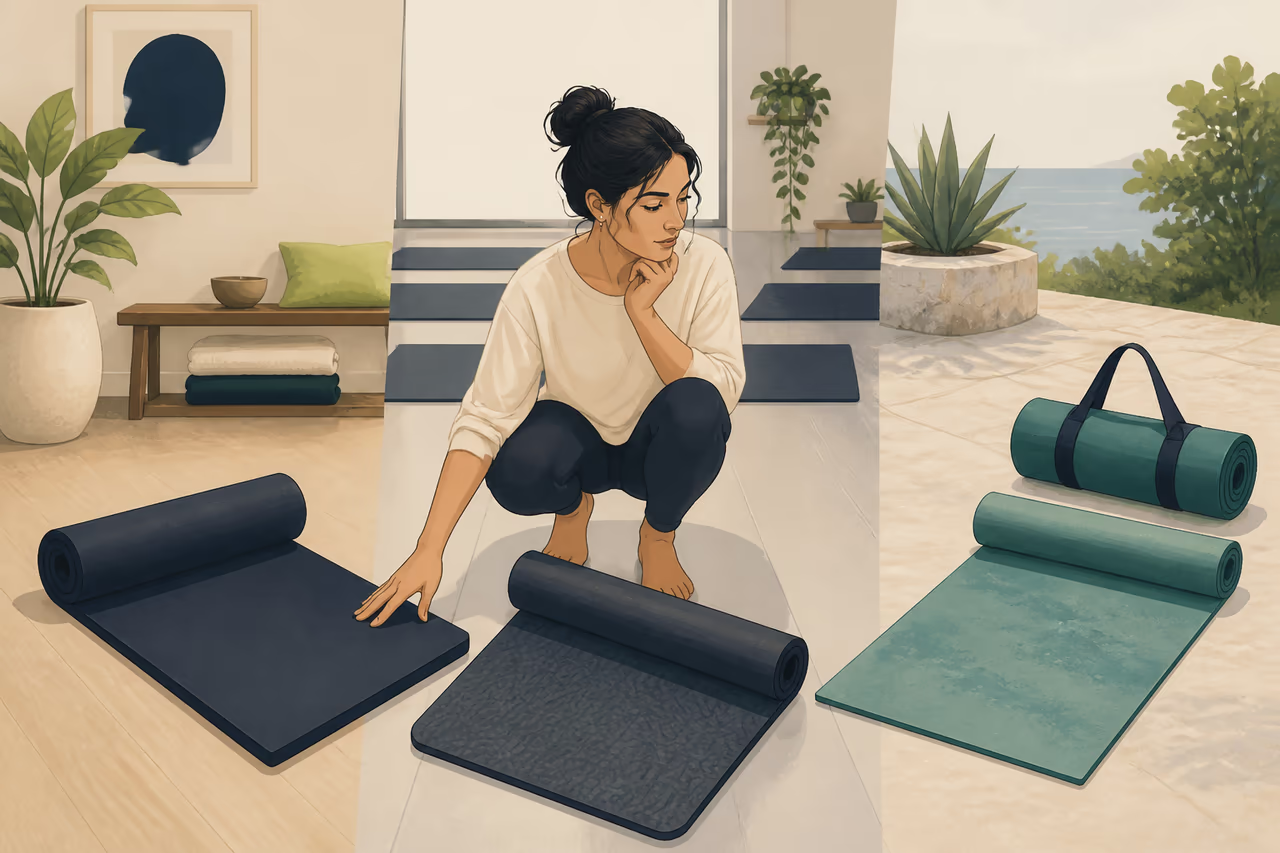
Every mat involves practical trade-offs between cushioning, stability, and weight. Thicker mats offer more joint cushioning on hard surfaces, but they often reduce stability during balancing postures and add bulk when traveling. Lightweight travel mats are easy to carry to classes, but they lack the support needed to prevent discomfort on hard floors.
Grip is another factor influenced by your setting and style of movement. Sweeter, dynamic practices require a surface that prevents slipping, while restorative or seated practices place less demand on high-traction surfaces. Prioritizing aesthetic trends over grip, safety, and stability is a common failure mode that can lead to frustration during class.
Check Before You Buy: Studio Provisions
Do you actually need to buy a yoga mat before your first class? Not necessarily. Many studios and community centers provide mats for student use, while others require you to bring your own.
Prime Tempr helps readers compare class formats and contact teachers or studios about what is provided, what to bring and which options suit the actual setting. Checking studio policies ahead of time prevents buying redundant equipment or investing in heavy travel gear before you know what your routine requires.
If your current mat causes slipping or joint discomfort, check studio loan policies first, then test a mat that matches your primary practice location before investing in specialized gear.
Setting & Mat Selection Checklist
Use this checklist to evaluate your needs before purchasing or bringing equipment to a session:
- Check what your studio or teacher provides before purchasing equipment.
- Identify your primary practice setting, whether that is a home floor, carpet, hardwood studio, or outdoor space.
- Evaluate whether your practice prioritizes joint cushioning or portability and stability.
- Contact your studio or browse local practice options to confirm setup details and class formats.
For further guidance on preparing for your next session, you can explore beginner-friendly practice options, review Practice Clothing & Props, or find a yoga teacher through our directory.
Frequently Asked Questions
Do I need to buy an expensive mat as a beginner?
No. Expensive mats often feature specialized grip or branding, but a basic, supportive mat is entirely sufficient for learning foundational movements.
How do I know if my mat is too thin?
If you feel sharp pressure or pain in your knees, wrists, or tailbone during standard postures on hard floors, your mat may lack adequate cushioning for that setting.
Should I bring my own mat to every studio class?
It depends on the studio. Some locations provide sanitized mats for all attendees, while others require personal equipment. Always check with the studio beforehand.
Sources
Watch alongside this guide
How to use yoga blocks
See several practical block options before deciding which props, if any, make the article's practice more comfortable. Source: Stephanie Tencer, Iyengar Yoga. This optional video is context, not evidence or personal instruction.
The YouTube player stays unloaded until you choose to watch. Loading it connects to YouTube and may allow that service to process usage data.