How to Choose an Online Class for an Older Beginner
Choose an online exercise class that matches your actual physical abilities, home living space, and personal safety needs today.
https://primetempr.com/blog/how-to-choose-an-online-class-for-an-older-beginner
Choosing an online class as an older beginner requires evaluating instructor qualifications, class pace, and accessibility options rather than chasing high intensity or a perfect streak. Older beginners and their families often struggle to find an exercise class that matches their actual abilities and living spaces without demanding unrealistic intensity or complex movements. To start safely, look for instructors who explicitly welcome beginners, offer clear modifications, and allow enough time to transition between positions. Prime Tempr profiles help families compare age-inclusive trainers, class pace, accessibility experience and online options before choosing responsive support.
What to look for in an online beginner class
Selecting the right online class means checking whether the instructor actively addresses beginners and provides scaled options for different physical needs. Yoga styles and demands vary; qualified instruction and appropriate modification can reduce avoidable risk. Fast-paced vinyasa flows or advanced power classes can create unnecessary strain for someone starting out. Instead, seek out beginner-specific or gentle formats where the instructor demonstrates postures using chairs, walls, or blocks.
Online classes offer convenience and privacy but lack real-time hands-on physical correction from the instructor. Because of this limitation, the teacher must communicate alignment cues clearly and check in on pacing. Self-paced options reduce scheduling pressure, but they require personal consistency and honest self-assessment. If a video moves too quickly, you should feel comfortable pausing or skipping a transition.
Understanding physical demands and safety at home
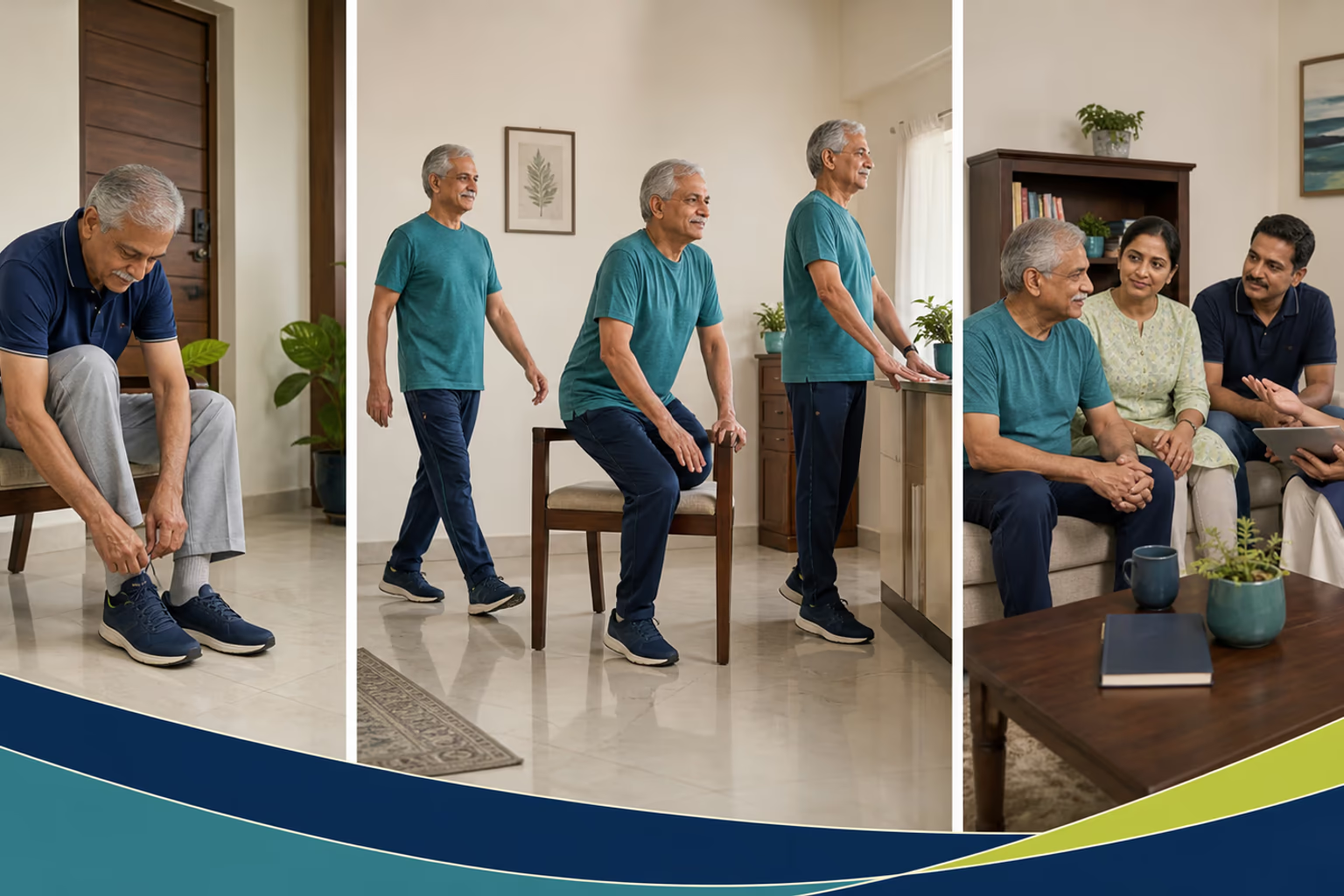
Before starting any home exercise routine, it helps to understand how different movements affect your joints and stamina. Yoga styles and demands vary; qualified instruction and appropriate modification can reduce avoidable risk. A common failure mode for older beginners is attempting standing balance work without reliable household support, such as a sturdy wall or a heavy chair nearby.
If an online class feels too demanding or fast-paced, step back to a chair-based routine, use a stable wall or sturdy furniture for support, and consult a qualified instructor or clinician. Pushing through sharp discomfort or fatigue does not build health. True progress comes from consistency in manageable movements rather than intensity. Online video instruction does not replace a medical diagnosis or physical therapy. If you have chronic joint pain, dizziness, or recent injuries, seek professional clinical assessment before starting a new exercise program.
Building a balanced weekly movement routine
A sustainable home practice incorporates variety rather than repeating the same movement every day. Older adults benefit from a weekly mix of aerobic, muscle-strengthening and balance activity matched to their abilities. You do not need expensive gym equipment to meet these goals. Simple bodyweight movements, gentle walking around the house or neighborhood, and supported standing exercises fulfill these requirements.
To structure your week, separate intensive balance or strength sessions by at least one day of lighter movement or rest. For example, you might practice a gentle seated mobility routine on Tuesday and Thursday, incorporate supported standing balance exercises on Saturday, and maintain daily walking habits. This balanced approach supports everyday movement, independence, and participation at home and nearby.
Older beginner online class evaluation checklist
Use this decision guide when reviewing online classes or instructor profiles before committing your time:
- Verify that the instructor explicitly welcomes older beginners and provides modifications.
- Check if the class pacing allows time to transition between positions safely.
- Confirm whether the session includes a healthy mix of strength, balance, and general movement.
- Ensure your home practice space has stable household support nearby if standing exercises are included.
- Plan your minimum starting version, such as a 15-minute gentle routine, before committing to a full program.
Your next step with Prime Tempr
Finding an online class that respects your pace makes all the difference in maintaining a long-term movement habit. Prime Tempr profiles help families compare age-inclusive trainers, class pace, accessibility experience and online options before choosing responsive support. You can Find an age-inclusive trainer who understands home constraints, Browse yoga programmes designed for varied experience levels, or read more about Supporting Active Aging at Home. Start with a short minimum version, observe how your body responds, and adjust your routine as you gain confidence.
Follow-along reflection
Use the prompts below to review the idea in context, without turning it into a diagnosis or a fixed rule.
Older beginner online class evaluation checklist
- Plan your minimum starting version (e.g., a 15-minute gentle routine) before committing to a full program.
Trade-offs to keep in view
- Self-paced options reduce scheduling pressure but require personal consistency and self-assessment.
Questions to carry forward
- What should an older beginner look for in an online exercise class?
- How do different yoga styles and online formats vary in physical demand?
- Why is qualified instruction and modification important for safety?
- How can I balance aerobic, strength, and balance activities at home?
- What is a reasonable minimum version of starting an online movement routine?
- When should an older adult seek professional clinical assessment before starting?
Sources
Watch alongside this guide
A 15-minute workout for older adults
This National Institute on Aging routine demonstrates manageable strength and balance pacing. Use stable support and seek assessment for new or concerning changes.
The YouTube player stays unloaded until you choose to watch. Loading it connects to YouTube and may allow that service to process usage data.