How to Adjust Your Movement Routine for Hot Weather
Adapt your movement routine for hot weather by adjusting timing, pacing, and recovery to maintain sustainable wellbeing.
https://primetempr.com/blog/how-to-adjust-your-movement-routine-for-hot-weather
High heat makes standard movement routines uncomfortable or draining, and standard advice is often too rigid or generic to fit real daily schedules. Adjusting movement for hot weather is not about lowering your standards or forcing rigid discipline. It is about recognizing local environmental limits and tailoring your practice style, timing, and recovery to match current conditions. Pushing through heat exhaustion or dehydration to maintain an arbitrary workout streak creates unnecessary strain, while treating seasonal advice as a universal rule ignores your personal context and local climate. If your usual routine leaves you depleted in high heat, scale back the duration or shift your practice time to cooler hours, and consult local trainers for personalized pacing guidance.
Recognizing the Impact of Heat on Everyday Movement
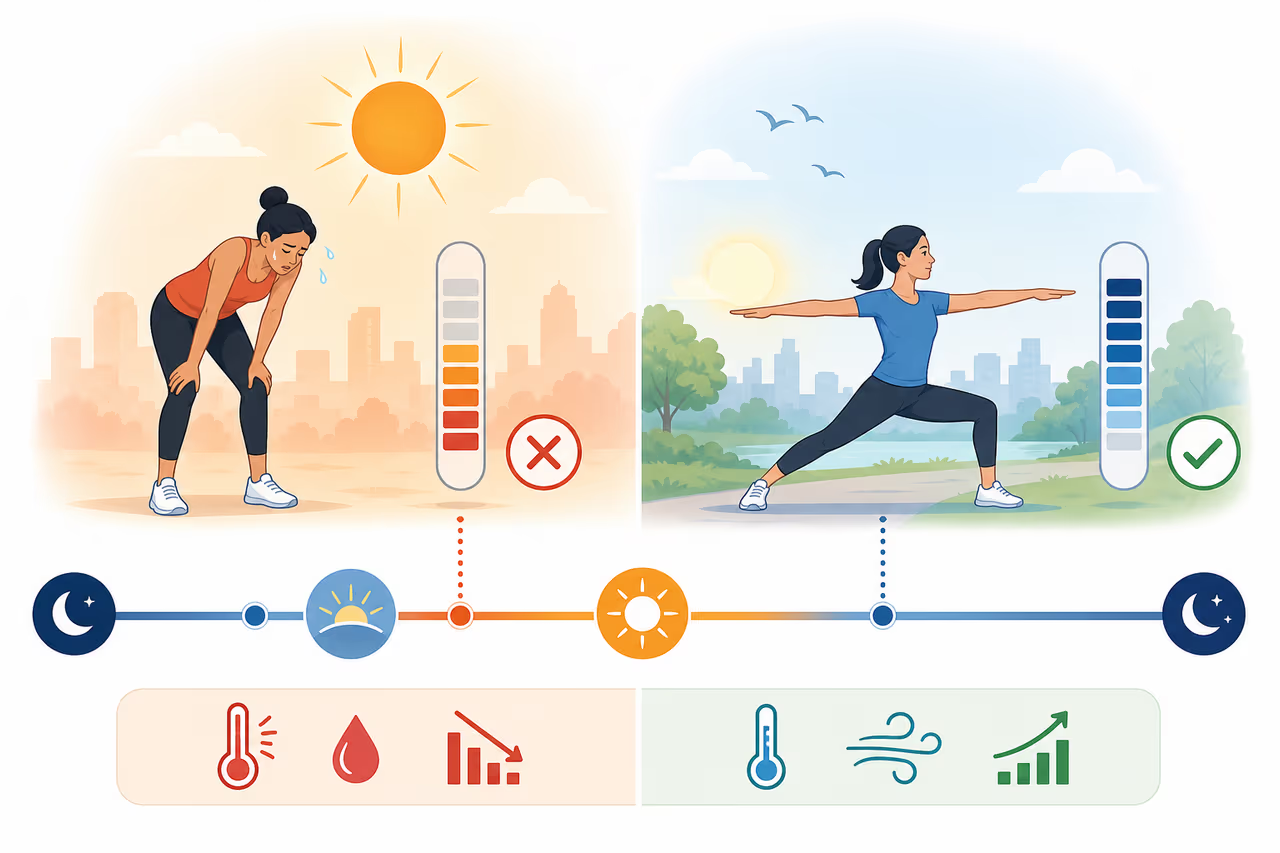
High temperatures alter physical comfort, cardiovascular demand, and overall energy levels. When the ambient temperature climbs, your body works harder to cool itself, which redirects blood flow toward the skin and away from working muscles. This physiological shift explains why a familiar yoga sequence or walking route feels substantially heavier during warm months.
Failure modes often appear when practitioners try to ignore these signals. Maintaining an inflexible workout schedule regardless of the thermometer invites excessive fatigue and frustration. A more sustainable approach treats seasonal changes as a natural cue to evaluate current capacity rather than a personal shortcoming. Shifting workout times or lowering intensity may temporarily reduce your perceived output, but it preserves long-term consistency and safety.
Timing, Pacing, and Environmental Context
Shifting the schedule and intensity of movement aligns your practice with local climate realities rather than arbitrary fitness rules. Moving active sessions away from peak midday solar radiation protects your energy reserves.
| Time of Day | Environmental Context | Recommended Practice Focus |
|---|---|---|
| Early Morning | Lower ambient temperature, higher relative humidity | Mobility, active standing sequences, or outdoor walks |
| Midday Peak | Maximum heat exposure, direct sunlight | Rest, breathwork indoors, or complete avoidance of strenuous exertion |
| Evening | Gradual cooling, fading sunlight | Gentle restorative movement, slow stretching, or cooling breath practices |
Generic online tips cannot replace tuning into your own body immediate signals or consulting local professionals who understand regional humidity and temperature patterns. If your schedule only permits movement during warmer windows, shorten the session and select less intense restorative postures instead of full power flows.
Supporting Recovery and Sleep in Warmer Weather
Warmer weather and changing daylight hours often disrupt nighttime rest, which directly impacts physical recovery and daily energy. Consistent schedules, daytime activity and a calmer sleep environment can support sleep even as daylight and routines change. When your sleep quality fluctuates due to ambient heat, your movement routine should reflect that lower recovery reserve.
Nourishment also plays a supporting role in maintaining energy balance through seasonal shifts. A varied diet can be built from locally available foods, while exact choices depend on context, culture and individual needs. Pairing flexible eating patterns with adequate hydration helps stabilize energy without requiring rigid dietary rules.
Hot Weather Movement Adjustment Checklist
Use this practical checklist to evaluate and modify your weekly movement habits as temperatures rise.
- Evaluate your local daily temperature peak and shift active movement to cooler morning or evening hours.
- Choose flexible practice styles or shorter sessions that prioritize mobility and ease over intense strain.
- Ensure consistent hydration and support your routine with adequate, good-quality rest.
- Connect with local studios or online teachers for personalized seasonal guidance.
When static guidance is not enough, or if local climates present extreme temperature swings, working directly with experienced professionals ensures your practice remains safe and sustainable. Prime Tempr helps readers find local studios, online teachers and trainer-shared practices that make broad seasonal ideas workable in their own setting. Explore options to Build a practice for this season or search for a Find a yoga teacher who offers personalized pacing advice. You can also review broader concepts in Seasonal Living or search for Find yoga near you.
Sources
- Healthy diet (opens in a new tab) - World Health Organization
- Heart-Healthy Living: Get Enough Good-Quality Sleep (opens in a new tab) - National Heart, Lung, and Blood Institute
Watch alongside this guide
A flexible home yoga practice
Use this adaptable session as a practical example of scaling movement to the day, weather, and energy available. Source: Yoga With Adriene. This optional video is context, not evidence or personal instruction.
The YouTube player stays unloaded until you choose to watch. Loading it connects to YouTube and may allow that service to process usage data.