Zone 2 Cardio: A Practical Guide Without the Hype
Zone 2 cardio is steady aerobic activity where you can still talk. Learn how to integrate this sustainable movement without expensive gear.
https://primetempr.com/blog/zone-2-cardio-a-practical-guide-without-the-hype
Zone 2 cardio is often marketed as a high-performance "hack" or a rigid requirement for health. In practice, it is simply aerobic activity performed at a pace where you can maintain a conversation. It is not a magic pill, nor is it the only "correct" way to move. Instead, it is a sustainable, accessible foundation for long-term health that prioritizes consistency over intensity.
Strip away the jargon and pressure to monitor every heartbeat, and Zone 2 is simply steady movement that you can repeat regularly without burnout.
What is Zone 2 cardio?
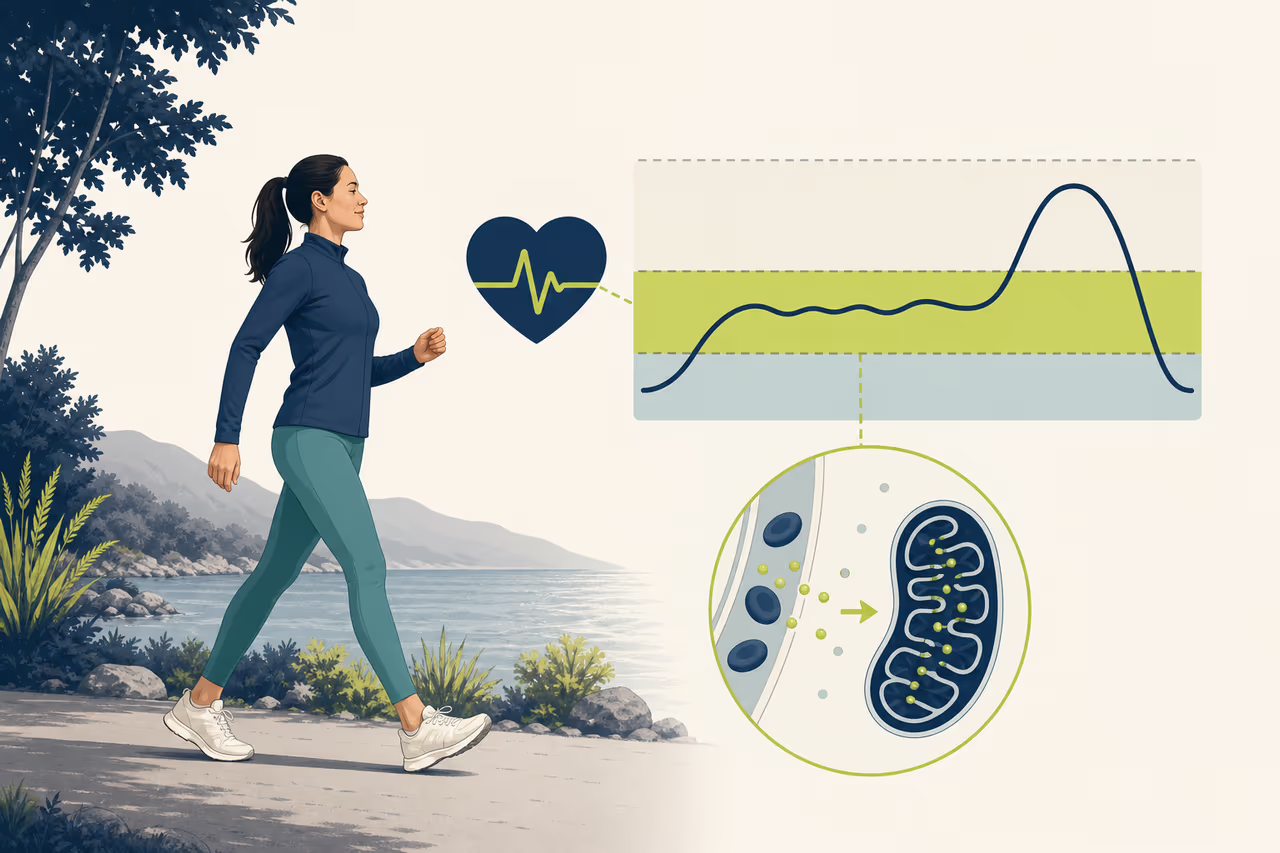
In simple terms, Zone 2 refers to a moderate level of physical exertion. At this intensity, your body primarily uses oxygen to fuel your muscles, allowing you to sustain the activity longer than a higher, breathless pace.
You do not need specific heart rate monitors or wearable technology to hit this zone. The most effective way to gauge intensity is through your own physical experience. If you move at a pace where you can comfortably speak in full sentences but would struggle to sing, you are likely in that moderate aerobic range.
Remember that any amount of physical activity is better than none, and all activity counts toward health benefits. You do not need to hit a "perfect" zone to see improvements in your overall wellbeing.
The talk-test: finding your pace
If you want to find your aerobic baseline without relying on data-driven anxiety, the "talk-test" is your most reliable tool. This method is human-centric and adjusts to how you feel on any given day, rather than forcing you to hit a static number on a screen.
To apply the talk-test:
- Choose an activity you enjoy, such as brisk walking, light cycling, or swimming.
- Start moving at a pace that feels slightly elevated but manageable.
- Attempt to recite a paragraph or hold a conversation.
- If you can speak in full sentences without gasping for air, you are in a sustainable zone.
- If you cannot speak more than a word or two, slow down.
This method allows you to listen to your body’s signals. Some days, your "Zone 2" pace might feel faster; other days, it might feel slower. Both are perfectly valid.
Why it matters for your overall health
While fitness marketing often frames Zone 2 as an isolated goal, it is best viewed as one component of a broader, balanced lifestyle. Current health guidelines note that adults can work toward 150 to 300 minutes of moderate aerobic activity per week, alongside muscle-strengthening activities on at least two days.
This aerobic base supports other types of movement, but treating Zone 2 as the only way to exercise is a mistake. Aerobic activity does not replace muscle-strengthening or mobility work. A truly balanced routine includes varied movements that challenge your heart, muscles, and joints.
If 150 minutes a week feels unattainable, remember that consistency matters more than hitting an arbitrary target. Start where you are, and prioritize movement you genuinely enjoy.
Integrating movement into a balanced life
The real challenge for most people is not finding the "right" zone, but building a routine that fits into their life. If you are already practicing yoga or strength training, Zone 2 cardio can complement these activities by improving your recovery and endurance.
A brisk walk is an excellent active recovery session after a challenging yoga class or heavy lifting day. Keeping the intensity moderate allows your body to move and circulate blood without adding significant stress.
If you are feeling overwhelmed by the prospect of balancing these different types of movement, you don't have to navigate it alone. Prime Tempr helps readers connect broad activity guidance with trainers and yoga businesses that can provide a balanced, repeatable programme and human accountability. Having a coach or a community can help you move away from the "data-first" mindset and toward a more sustainable, human-centric approach to your health.
The 'Talk-Test' Movement Check-in
Use this simple physical baseline to plan your movement for the week and keep your pacing honest.
- Identify one activity you enjoy: Whether it is walking, cycling, or swimming, pick something that doesn't feel like a chore.
- Perform it at a conversational pace: Aim for a speed where you can speak in full sentences but couldn't sing a song.
- Note how you feel: After 10 minutes, ask yourself: Is this pace sustainable for me? Could I keep this up for another 20 minutes?
- Schedule two sessions: Aim for just two sessions this week, keeping the focus entirely on ease rather than intensity.
Failure modes and trade-offs
It is easy to obsess over heart rate monitors. When you focus too much on numbers, you lose the ability to listen to your body. If metrics cause anxiety, stop using devices for a week and return to the talk-test.
Additionally, remember the trade-offs:
- Zone 2 is not a cure-all: It builds an aerobic base, but it does not replace the need for muscle-strengthening or mobility work.
- Data-driven anxiety is real: If tracking your zones makes movement feel like a chore, you are less likely to stick with it. Prioritize your enjoyment and consistency over the "perfect" metric.
In practice, your goal is to build a habit that lasts years, not weeks. By keeping movement simple and focusing on what feels good, you build a sustainable foundation. For more resources on finding the right movement for your body, explore our guides on Walking & Low-Impact Cardio.
Sources
- Physical activity (opens in a new tab) (World Health Organization)
- Top 10 Things to Know About the Physical Activity Guidelines (opens in a new tab) (Office of Disease Prevention and Health Promotion)
Watch alongside this guide
Just walk
This short walking overview reinforces the guide's focus on accessible, repeatable movement rather than elaborate equipment. Source: American Heart Association. This optional video is context, not evidence or personal instruction.
The YouTube player stays unloaded until you choose to watch. Loading it connects to YouTube and may allow that service to process usage data.