Yoga and Meditation: Structure, Differences, and Practical Trade-Offs
Compare yoga and meditation by their structure, trade-offs, and daily health goals to choose the right practice for your routine.
https://primetempr.com/blog/yoga-vs-meditation-structure-differences-and-practical-trade
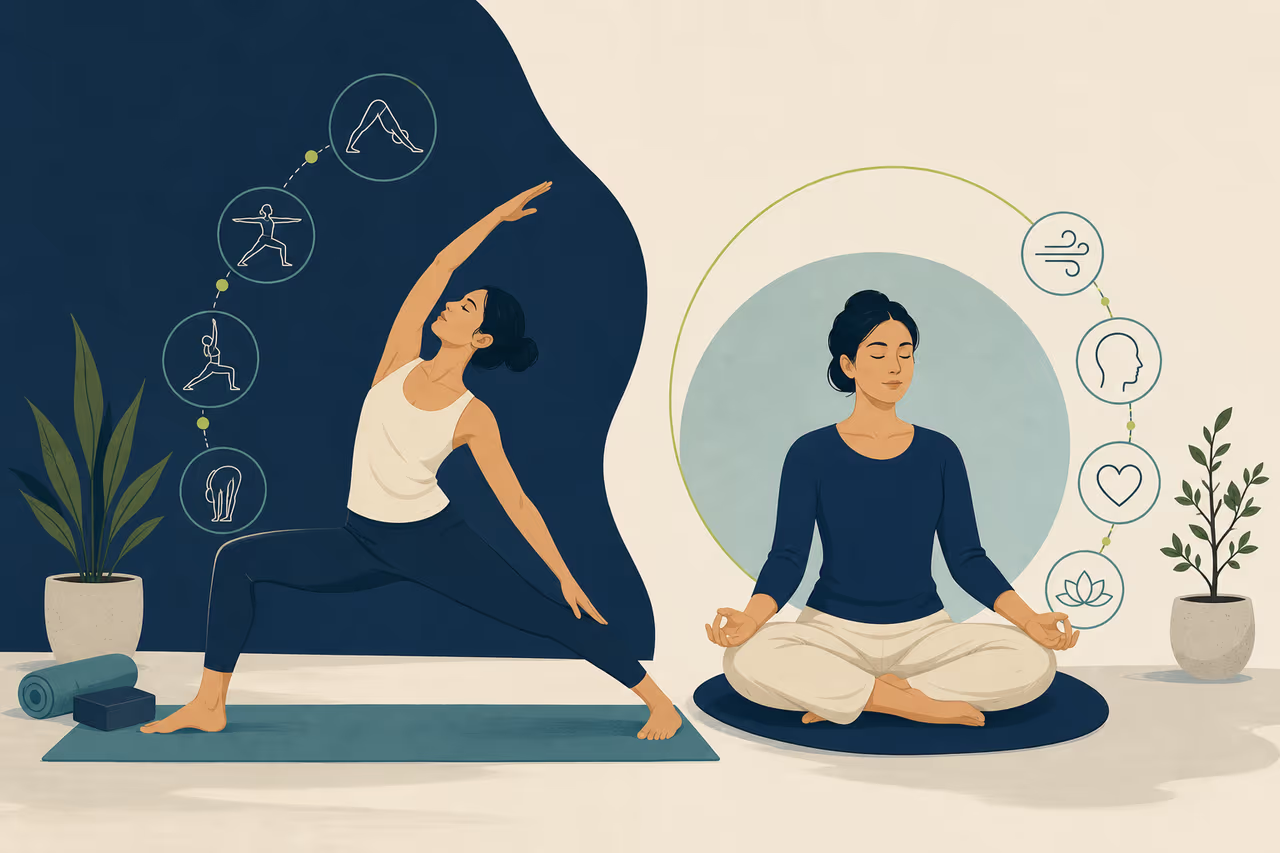
Yoga combines physical postures, controlled breathing, and meditation into an active framework, whereas meditation focuses primarily on mental concentration and awareness. Deciding between a movement-based practice and a seated mental practice depends on whether your daily routine requires physical activity or stillness.
Evaluating these options requires looking past broad claims to understand how each discipline affects the body and mind. This guide breaks down the structural differences, safety considerations, and practical trade-offs to help establish a sustainable routine.
Understanding the Core Definitions
The primary structural difference between the two disciplines lies in their medium. Yoga combines postures, breathing, and meditation. Because styles vary significantly,ranging from gentle restorative movement to vigorous physical flows,benefits should be described with uncertainty, as individual responses differ widely.
Meditation, by contrast, centers on mental focus, attention regulation, and awareness. It is often practiced while seated, lying down, or walking, without a heavy emphasis on physical stretching or complex postures.
| Feature | Yoga | Meditation |
|---|---|---|
| Primary Focus | Physical postures, breathing, and mental focus combined | Mental concentration, awareness, and stillness |
| Movement Level | Varies from gentle stretching to active physical exertion | Typically stationary (seated, lying, or walking) |
| Primary Risk | Potential for physical strain or injury if pushed improperly | Mental frustration or restlessness for beginners |
Physical Activity and Movement Benefits
When deciding between a physical practice and a mental one, it helps to evaluate your daily physical baseline. Any amount of physical activity is better than none, all activity counts, and people should limit sedentary time.
If your day involves prolonged sitting, desk work, or a lack of physical movement, introducing a practice that involves physical postures can help break up sedentary habits. Yoga provides an avenue for movement, but it is not the only option; any form of physical activity that gets your body moving contributes to overall health. Conversely, if your body is physically exhausted or recovering from heavy exertion, a purely seated mental practice may align better with your immediate recovery needs.
Practical Trade-Offs and Safety
Every wellness practice carries distinct trade-offs. Yoga carries a risk of physical injury if postures are performed improperly, pushed too hard, or attempted without appropriate modifications. Teachers and practitioners must acknowledge that injuries can occur, particularly in advanced or fast-paced physical styles.
Meditation presents a different set of challenges. Sitting in stillness requires mental discipline that can feel frustrating or uncomfortable for beginners, especially when approached without structured guidance or realistic expectations.
If a seated meditation practice feels restless or difficult to sustain, try incorporating gentle movement or a short yoga sequence first to release physical tension. If a physical class feels too intense or overwhelming, scale back the intensity, take resting poses, or consult a local instructor to adjust postures for your body.
Yoga vs Meditation Selection Guide
Determining a next step involves evaluating a few practical considerations:
- Assess today's physical energy: If you have experienced prolonged sedentary fatigue, prioritize physical activity or movement.
- Check mental focus: If your mind is racing while your body feels calm, test a short seated or guided meditation.
- Remember baseline movement: Keep in mind that any amount of physical activity is better than none.
- Explore professional guidance: When transitioning from self-guided research to a structured routine, look for professional support.
Researching styles and techniques is a useful starting point, but generic recommendations often fall short of addressing specific needs. To move beyond broad advice, you can explore trainers and studios to review local offerings by profile, location, and specialty. Finding a qualified professional who matches your experience level ensures that your practice remains safe, adaptable, and relevant to your goals. If you want to connect directly with a certified instructor, find a yoga teacher who offers classes tailored to current physical and mental requirements. To dive deeper into specific movement approaches, read more via Yoga Styles and Goals.
Sources
Watch alongside this guide
A beginner Yin yoga practice
This slower practice gives you a concrete style example to compare with the goals and class formats in the guide. Source: Yoga with Kassandra. This optional video is context, not evidence or personal instruction.
The YouTube player stays unloaded until you choose to watch. Loading it connects to YouTube and may allow that service to process usage data.