Yoga Blocks, Straps, and Bolsters Explained: What You Actually Need
Learn what yoga blocks, straps, and bolsters actually do so you can choose the right equipment without overbuying.
https://primetempr.com/blog/yoga-blocks-straps-and-bolsters-explained-what-you-actually-
Yoga props like blocks, straps, and bolsters are modular tools designed to bridge the gap between your current mobility and a shape, rather than status symbols or prerequisites for practice. Yoga styles and physical demands vary; appropriate modification and qualified instruction can reduce avoidable risk. When you walk into a studio or unroll a mat at home, seeing shelves lined with foam rectangles, heavy fabric bolsters, and cotton belts can feel intimidating. Knowing what these items actually do helps you decide whether you need to purchase them or if you can simply use what is already available.
What Yoga Blocks, Straps, and Bolsters Actually Do
Props do not mean you are failing a posture or lacking flexibility. Instead, they shorten the distance between your hands and the floor, support your weight during seated or lying poses, and help you maintain steady alignment without excessive strain. Activity can take many forms and settings, so clothing and equipment should support safe, comfortable participation rather than create a barrier to beginning. Whether you are working through a tight hamstring or trying to keep your lower back comfortable in a seated meditation, props change the geometry of a shape to match your body on any given day.
Breaking Down Each Prop: Blocks, Straps, and Bolsters
Each prop has a distinct mechanical purpose in a practice. Understanding their individual functions prevents you from accumulating gear you do not use.
| Prop Type | Primary Material Options | Main Function | Best Used For |
|---|---|---|---|
| Yoga Block | Foam, Cork, Wood | Elevates the floor, supports body weight | Standing poses, seated twists, bridging hips |
| Yoga Strap | Cotton, Nylon with metal or plastic buckle | Extends reach, maintains bound shapes | Seated forward folds, shoulder mobility |
| Yoga Bolster | Cotton, Buckwheat hull stuffing | Provides firm, passive support | Restorative poses, chest openers, seated elevation |
Blocks are typically made of light foam, denser cork, or heavy wood. Foam works well if you want a soft, lightweight option for travel or sensitive wrists. Cork offers a firmer, heavier base that will not slip under heavy body weight. Wood is traditional, extremely firm, and durable, though heavy to carry.
Straps usually feature a metal or plastic cinch buckle. A length of six to eight feet fits most adult frames, allowing you to loop the strap around your feet or hands when your fingers cannot comfortably reach your toes or opposite elbows.
Bolsters are dense cushions filled with cotton batting or buckwheat hulls. They provide a stable, supportive surface for resting your spine or hips during longer, passive holds. When a bolster is unavailable, a tightly folded thick blanket can often serve a similar purpose for gentle elevation.
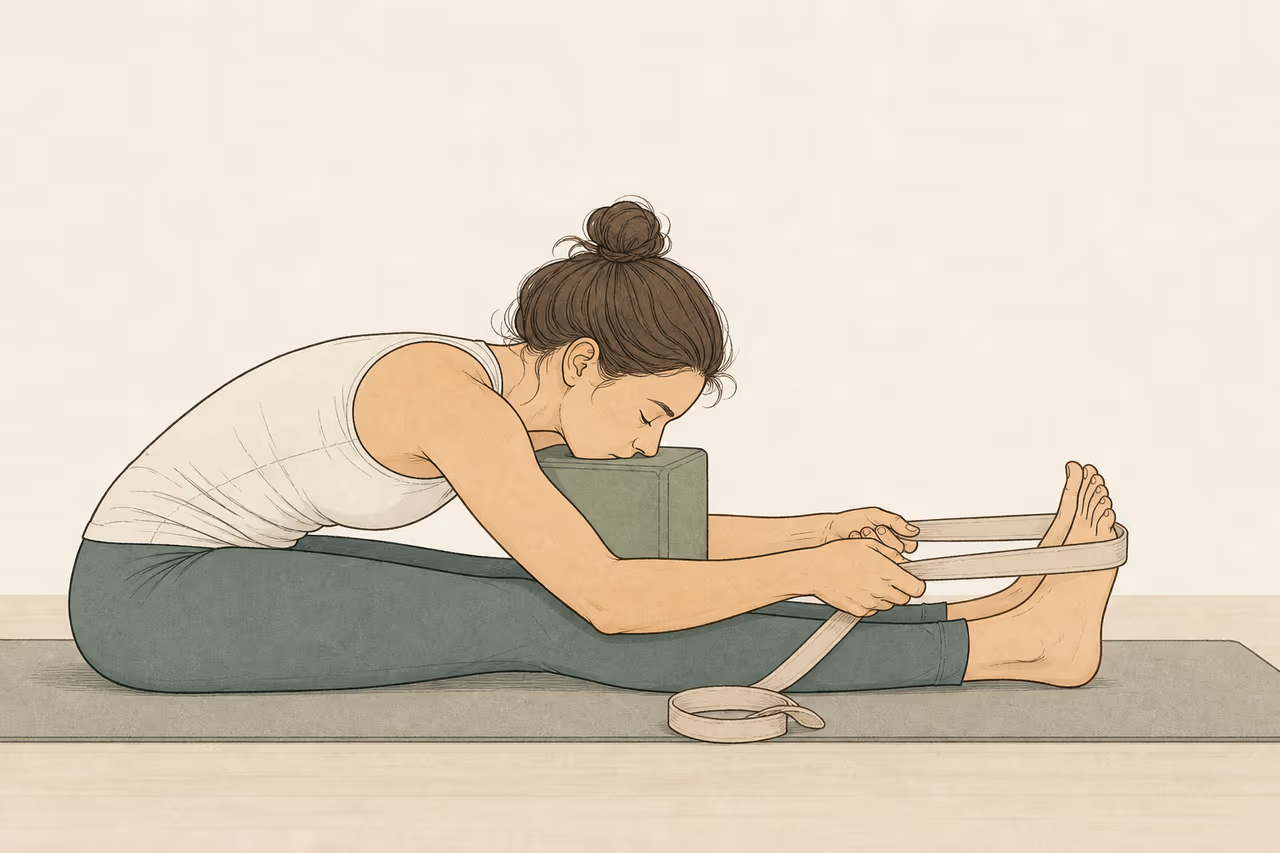
How to Decide What to Buy vs. What Studios Provide
Buying an entire set of heavy professional props before your first class creates unnecessary expense and clutter. Most local studios provide blocks, straps, and bolsters for public use during classes. You can test different materials during live sessions to see whether you prefer firm cork blocks or soft foam ones before spending your own money.
If you practice at home, you do not necessarily need specialized gear right away. Household items like sturdy hardcover books can substitute for blocks, and a bathrobe belt or sturdy scarf can function as a strap. When you do decide to purchase personal items for home practice, consider your storage space and how easily the materials can be cleaned. Prime Tempr helps readers compare class formats and contact teachers or studios about what is provided, what to bring and which options suit the actual setting. You can explore beginner-friendly practice options or find a yoga teacher near you to clarify what your local space provides.
Before-You-Buy Prop Checklist
Use this checklist to guide your purchasing decisions and avoid unnecessary gear accumulation.
- Ask your studio or teacher: Check what props are provided on-site before buying anything for class.
- Test in a live setting: Try blocks, straps, and bolsters during a few classes to discover which materials and sizes suit your body.
- Evaluate home storage and upkeep: Consider available storage space and cleaning routines for soft goods like bolsters and cotton straps.
- Explore local options: Explore beginner-friendly practice options near you to test equipment preferences in person.
Sources
- Yoga: Effectiveness and Safety (opens in a new tab), National Center for Complementary and Integrative Health
- Physical Activity (opens in a new tab), World Health Organization
Watch alongside this guide
How to use yoga blocks
See several practical block options before deciding which props, if any, make the article's practice more comfortable. Source: Stephanie Tencer, Iyengar Yoga. This optional video is context, not evidence or personal instruction.
The YouTube player stays unloaded until you choose to watch. Loading it connects to YouTube and may allow that service to process usage data.