When to Stop Relying on Home Remedies for Ongoing Symptoms
Learn how to distinguish between daily wellness rituals and medical symptoms to prioritize your long-term health safety.
https://primetempr.com/blog/when-to-stop-relying-on-home-remedies-for-ongoing-symptoms
Home remedies and traditional wellness rituals are not substitutes for medical diagnosis. Any ongoing symptom requires professional evaluation to ensure safety and prevent the delay of necessary care. While cultural practices offer meaningful ways to support daily well-being, they should never be used to mask or manage persistent physical issues that require a clinical assessment.
At Prime Tempr, we believe in keeping cultural education separate from medical treatment. Our platform lets readers review teacher and school profiles before asking about training, lineage, and scope, while the library keeps cultural education separate from treatment. This distinction is vital when you are navigating the intersection of heritage and health.
The limit of home care
The line between a wellness ritual and medical necessity is defined by the nature of the symptom. A wellness ritual is a proactive practice meant to support general health, such as a morning stretching routine or a balanced diet. These practices are designed to maintain a state of equilibrium.
In contrast, a medical symptom is a signal that the body is experiencing an underlying issue that requires investigation. When you attempt to manage a persistent symptom with home remedies, you risk delaying appropriate professional care. Self-care information should support informed choices and should not be used to delay appropriate professional care. If your approach to health involves using herbs, oils, or specific dietary changes to "fix" a recurring pain or discomfort, you have moved from wellness into the realm of self-treatment.
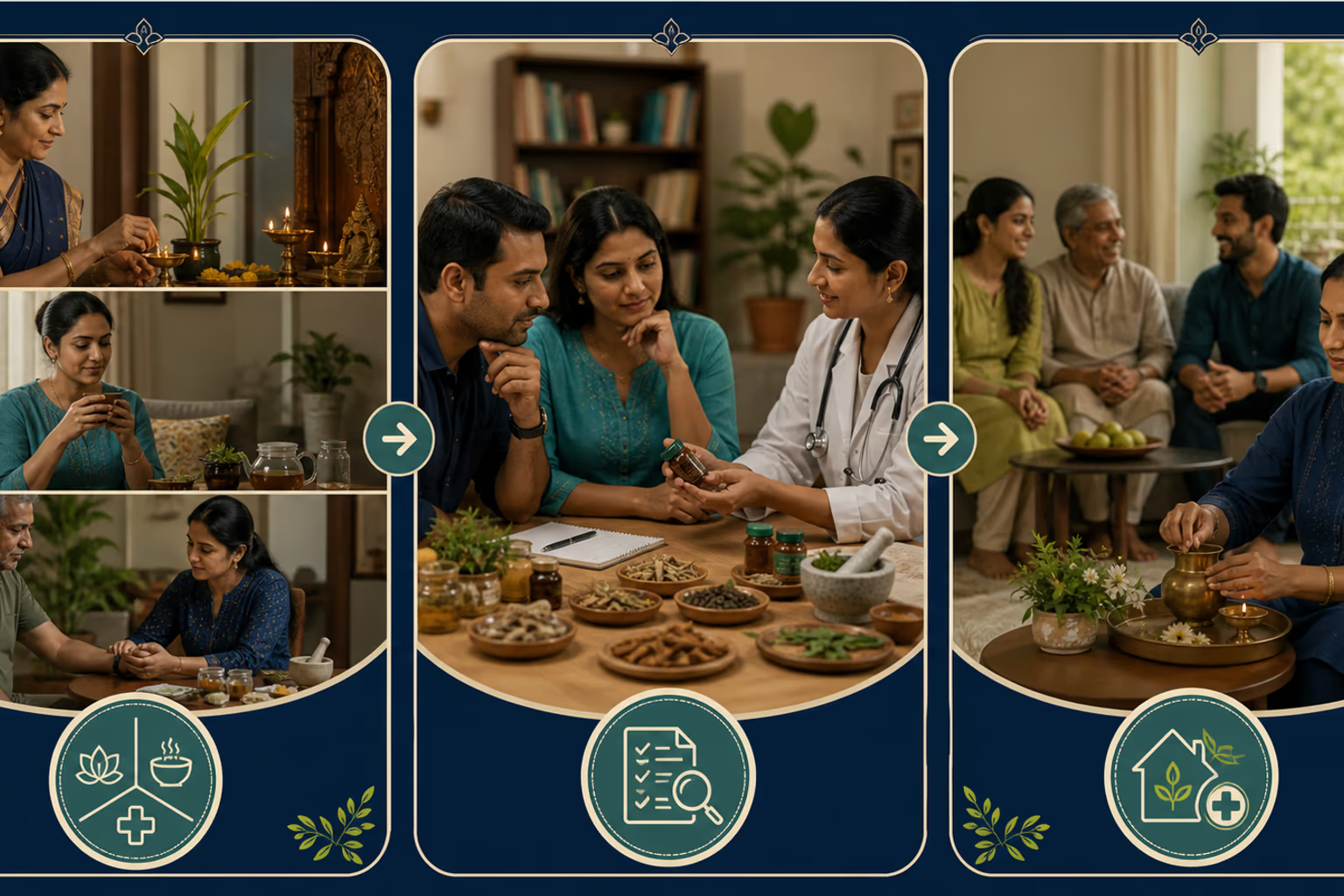
Why ongoing symptoms are different
When a symptom persists, it is easy to fall into the trap of assuming it is simply a temporary imbalance. You might tell yourself that a few more days of a specific herbal tea or a change in your daily routine will resolve the issue. However, delaying a doctor visit because a family member or online source insists on a specific herbal routine can lead to significant risks.
The primary danger is the progression of an undiagnosed condition. By focusing on the symptom as a "dosha imbalance," you may overlook physical warning signs that indicate a need for modern diagnostic tools. Professional care requires time and financial resources that home remedies may seem to avoid in the short term, but the cost of delaying a diagnosis often far outweighs the temporary convenience of home-based management.
The safety of traditional preparations
Ayurveda is a traditional Indian medical system; however, evidence for many health uses is limited, some preparations may contain harmful metals, and care should be coordinated with a health professional. When you purchase supplements online or from local markets, you may not have access to data regarding their purity, dosage, or potential interactions with other medications.
It is common to feel that traditional preparations are inherently gentle or safe because they are natural. This is a misconception. Many herbal products can interact negatively with prescription drugs or have physiological effects that are not appropriate for your specific health history. Before you introduce any new supplement into your routine, you must verify its safety and discuss it with a licensed healthcare provider.
When to stop self-managing
If you are currently using home remedies to manage a health concern, use this checklist to determine if it is time to stop and seek professional help.
When to stop self-managing
- The symptom has persisted for more than 48 hours without improvement.
- You are experiencing new, unexplained pain or discomfort.
- The remedy involves a supplement or herb you haven't discussed with your doctor.
- You feel uncertain about the safety or origin of the product you are using.
- You are using the remedy to mask a symptom rather than support general well-being.
Your next step
Prioritizing medical safety may feel like dismissing cultural traditions, but it is the only way to ensure those traditions remain a sustainable part of your life. If you are uncertain about a symptom, the recovery path is clear: immediately pause the use of any new or unverified supplement, document the symptom’s duration and intensity, and schedule an appointment with a licensed healthcare provider.
When you visit your doctor, be transparent about the traditional practices you use at home. You can find guidance on Discussing Traditional Preparations With Your Doctor to ensure your medical team has the full picture of your health habits. If you are looking for guidance on yoga or movement practices that align with your needs, you can Find a yoga teacher who understands the scope of their practice and can help you integrate movement safely.
Remember that your health is a long-term journey. Distinguishing between what you can manage at home and what requires a professional eye is a sign of maturity in your wellness practice. By choosing to coordinate your care, you honor your heritage while protecting your physical well-being.
Sources
Watch alongside this guide
Herbs at a glance: how to check safety
This NCCIH safety primer supports the article's practical questions about products, interactions and evidence without dismissing cultural traditions.
The YouTube player stays unloaded until you choose to watch. Loading it connects to YouTube and may allow that service to process usage data.