What to Eat Before a Gentle Yoga Class: Flexible, Practical Habits
Learn practical, flexible food choices and timing strategies to support physical comfort during your gentle yoga practice today.
https://primetempr.com/blog/what-to-eat-before-a-gentle-yoga-class-flexible-practical-ha
Deciding what to eat before a gentle yoga class depends on personal comfort, timing, and how your body responds to movement. You do not need a rigid pre-workout meal or specialized supplements to step onto the mat. Healthy diets vary by culture and available foods, and the shared foundation is adequacy, balance, moderation, and diversity rather than one strict menu.
Many practitioners wonder whether they should eat at all before a session. The goal is to avoid feeling sluggish or heavy while preventing distracting hunger pangs during floor stretches or seated breathing exercises.
Why Gentle Yoga Requires Flexible Fueling
Rigid pre-class meal plans often fail because they ignore personal schedules, cultural preferences, and daily rhythms. Trying to force your routine into an idealized template creates unnecessary stress. Instead, approach pre-practice eating as an experiment in self-awareness.
Healthy diets vary by culture and available foods; the shared foundation is adequacy, balance, moderation, and diversity rather than one rigid menu. This means your pre-yoga snack or meal can look completely different from someone else's, as long as it supports your well-being and matches your cultural traditions. Prime Tempr helps readers connect general food and wellbeing education with qualified teachers and practice formats while keeping nutrition education separate from individualized clinical care.
Timing and Comfort on the Mat
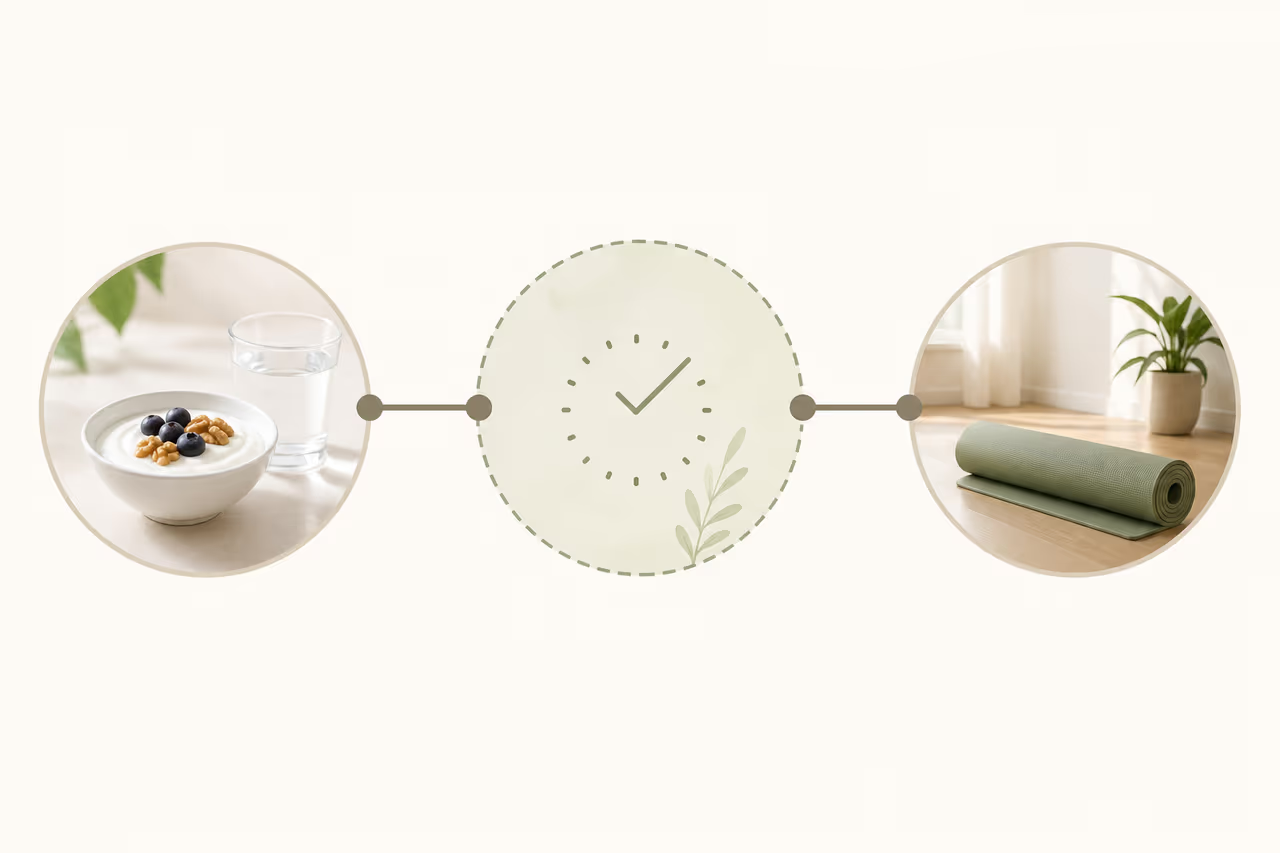
Timing matters just as much as what is on your plate. Eating a heavy meal immediately before bending, twisting, or lying down can lead to digestive discomfort. Conversely, practicing on an empty stomach might leave you feeling drained if your blood sugar dips.
Giving yourself a buffer of time helps. A small, easily digestible snack eaten an hour or two before class often provides steady energy without weighing you down. If you practice first thing in the morning, a few sips of water or a very light bite might be all you need before moving into gentle shapes.
Grounding in Everyday Food Foundations
When deciding what to eat, look to everyday nutrition principles rather than fitness fads. Healthy diets vary by culture and available foods; the shared foundation is adequacy, balance, moderation, and diversity rather than one strict menu.
You might choose a piece of fruit, a small handful of nuts, or a culturally familiar grain-based snack depending on what is available in your kitchen. The focus remains on nourishing your body adequately without moralizing your food choices or chasing perfection. General education provides helpful baselines, but personal experimentation remains essential because digestion and energy levels vary widely.
Gentle Pre-Practice Food Guide
Use this decision guide to find a routine that supports your gentle yoga practice without strict rules or diet culture pressure.
- Notice how your body feels: Pay attention to how your energy levels respond after light snacks versus practicing on an empty stomach.
- Choose culturally familiar options: Select simple foods based on adequacy, balance, moderation, and diversity rather than following a standardized meal plan.
- Allow adequate time to digest: Give yourself space between eating and stepping onto the mat to prevent physical sluggishness.
- Explore professional guidance: Discover trainer-led practice formats to help match your physical routine with your daily life. Explore guidance that fits your practice, read more about Everyday Food Habits, or learn When General Nutrition Advice Is Not Enough.
When to Seek Personalized Support
General wellness articles and food education offer helpful baselines, but they have clear boundaries. Useful self-care can support health and well-being but does not replace an appropriate health system or professional care.
If you manage chronic health conditions, digestive disorders, or specific nutritional requirements, general advice is not enough. Consulting a qualified clinical dietitian or healthcare provider ensures you receive tailored guidance that respects your unique medical history. Keeping nutrition education separate from individualized clinical care helps you stay safe while exploring movement practices that enrich your daily life.
Sources
- Healthy diet (opens in a new tab), World Health Organization
- Self-care for health and well-being (opens in a new tab), World Health Organization
Watch alongside this guide
Building a balanced plate
This plate example offers a visual companion to the article's flexible, non-prescriptive food guidance. Source: Harvard T.H. Chan School of Public Health. This optional video is context, not evidence or personal instruction.
The YouTube player stays unloaded until you choose to watch. Loading it connects to YouTube and may allow that service to process usage data.