What to Eat After an Evening Yoga Class: Flexible, Practical Habits
Choose flexible, balanced food after evening yoga to support physical recovery and comfortable sleep without rigid diet rules.
https://primetempr.com/blog/what-to-eat-after-an-evening-yoga-class-flexible-practical-h
After finishing an evening yoga class, you might feel relaxed, limber, and hungry. Satisfying that hunger requires avoiding heavy late-night digestion issues that disrupt your sleep. There is no single universal meal required after evening movement. Healthy diets vary by culture and available foods, and the shared foundation is adequacy, balance, moderation, and diversity rather than one rigid menu.
Prime Tempr helps readers connect general food and wellbeing education with qualified teachers and practice formats while keeping nutrition education separate from individualized clinical care. This means you can approach post-yoga eating with flexibility, listening to your body rather than following strict diet-culture rules.
Understanding Evening Post-Yoga Nutrition
Deciding whether to eat after an evening class depends on your actual hunger, how intense the practice was, and how close you are to bedtime. You do not automatically need a large meal just because you practiced. If your class was gentle or restorative, your energy expenditure might be modest, requiring nothing more than a glass of water or herbal tea. If you attended an active Vinyasa or power class, you might feel a genuine physical appetite.
Eating a heavy, complex meal right before bed simply out of habit can lead to indigestion and restless sleep. Conversely, following rigid food rules that ignore your hunger cues can leave you uncomfortable. The goal is proportionate nourishment.
Practical, Flexible Food Choices
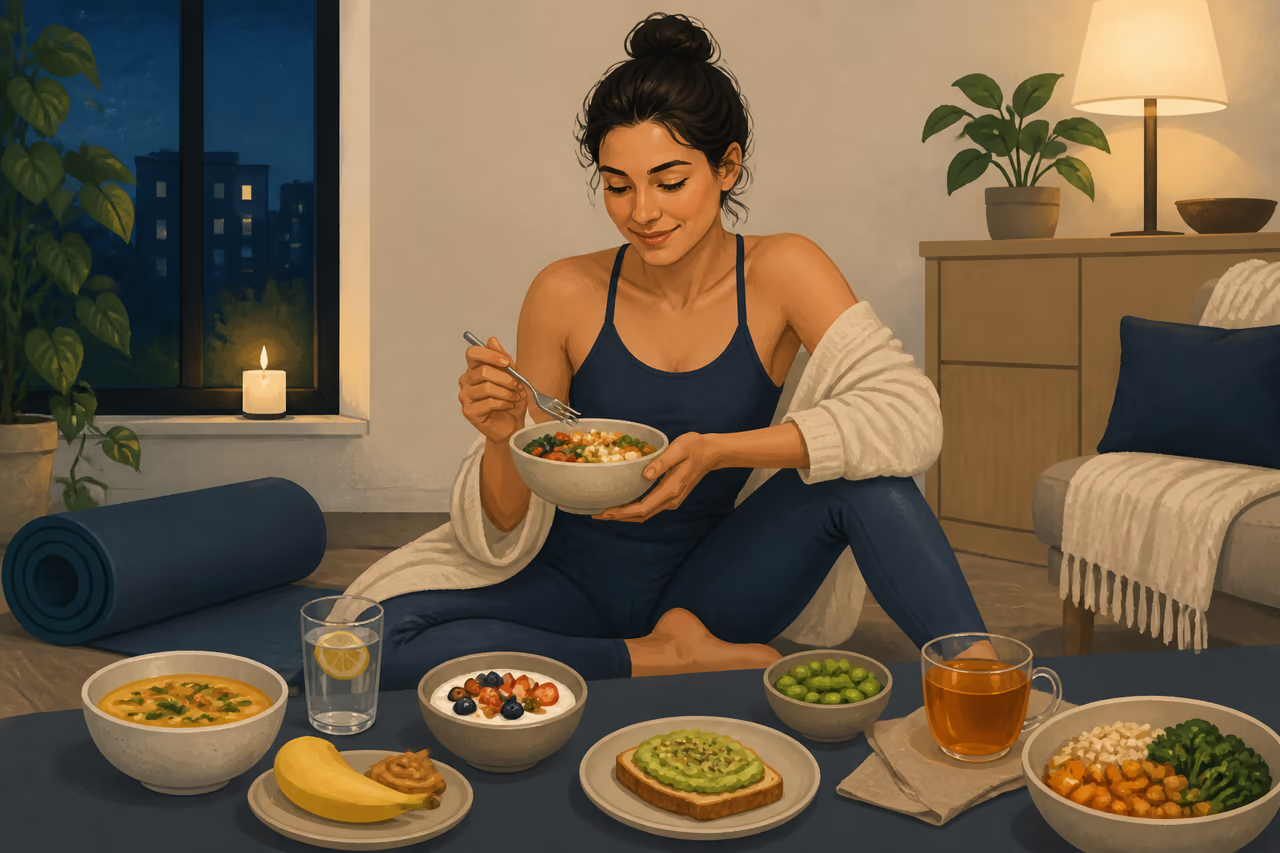
Because healthy eating depends on cultural preferences and local ingredients, your evening post-yoga snack or light meal can take many forms. Instead of forcing a specific superfood or a mandatory protein shake, look for options that combine adequacy, balance, and diversity.
- Warm herbal tea or water paired with a small handful of nuts and seeds.
- A small bowl of warm grain porridge with fruit or cinnamon.
- A slice of whole-grain toast with mashed avocado or hummus.
- A small portion of leftover cooked vegetables and grains from earlier in the day.
These choices provide gentle energy and comfort without overloading your digestive system right before you lie down to sleep. Keep portions modest if your practice ended late in the evening.
Balancing Digestion and Sleep
The primary trade-off in evening nutrition is balancing the desire to satisfy post-practice hunger with the physical need for undisturbed sleep. Eating too close to bedtime can interfere with sleep quality for some people because active digestion raises body temperature and heart rate slightly.
If you find that eating late disrupts your rest, try shifting your main meal earlier in the evening and keeping any post-yoga intake very light. Water or a small, easily digestible carbohydrate and protein combination is often enough to bridge the gap until morning without causing discomfort.
Evening Post-Yoga Food Checklist
Use this practical checklist to guide your decisions after an evening practice:
- Assess your actual hunger versus habit before deciding to eat.
- Choose foods that combine adequacy, balance, and diversity based on cultural preference.
- Keep portions light if your class ended close to your usual bedtime.
- Hydrate adequately with water or herbal options.
- Explore professional guidance if you need individualized nutrition care.
When to Seek Professional Guidance
General wellness education is meant to support daily life, but it has clear limits. Useful self-care can support health and well-being, but it does not replace an appropriate health system or professional care.
General education cannot replace tailored nutritional or medical advice for specific health conditions, digestive disorders, or personal medical needs. If you experience persistent discomfort, chronic sleep disruption, or specific dietary challenges, consult a qualified clinical professional or registered dietitian. You can also Find guidance that fits your practice to explore movement formats that complement your lifestyle, read more about When General Nutrition Advice Is Not Enough, or discover tips on building A Flexible, Balanced Plate for Daily Life.
Sources
- Healthy diet (opens in a new tab), World Health Organization
- Self-care for health and well-being (opens in a new tab), World Health Organization
Watch alongside this guide
Building a balanced plate
This plate example offers a visual companion to the article's flexible, non-prescriptive food guidance. Source: Harvard T.H. Chan School of Public Health. This optional video is context, not evidence or personal instruction.
The YouTube player stays unloaded until you choose to watch. Loading it connects to YouTube and may allow that service to process usage data.